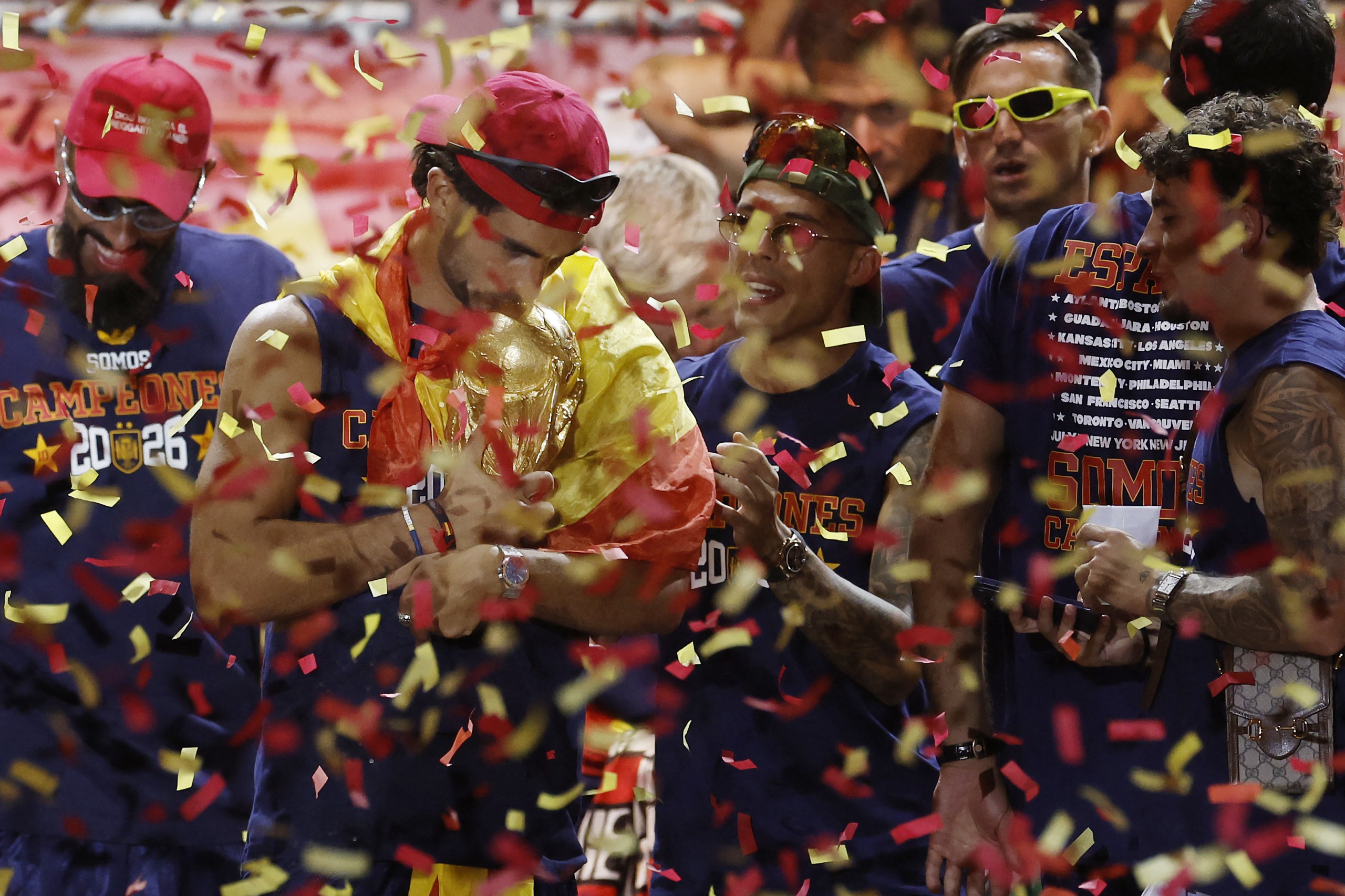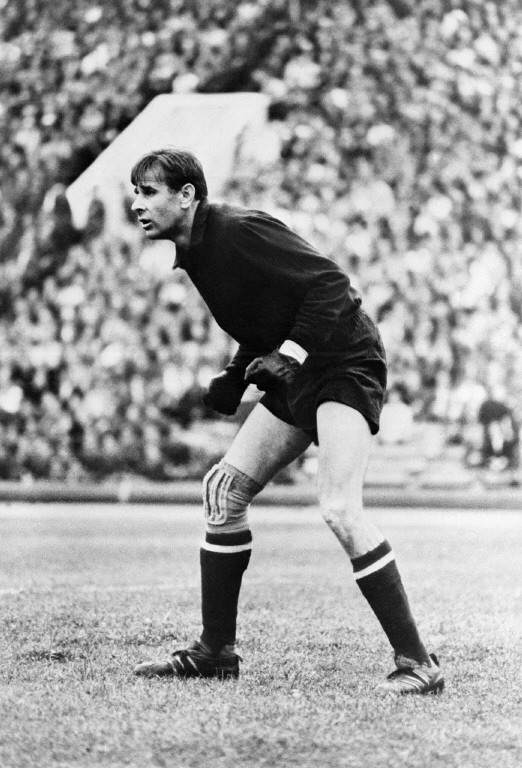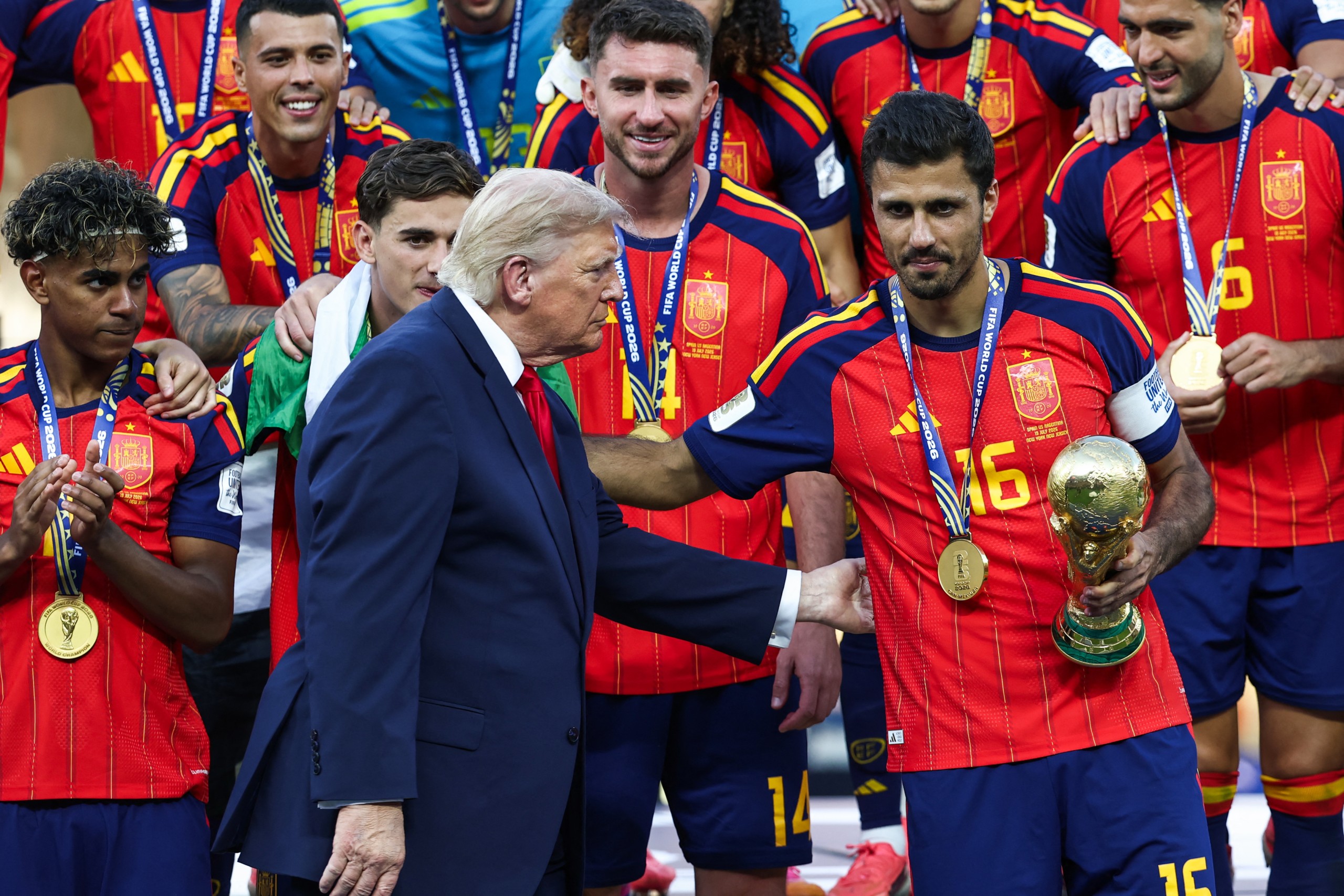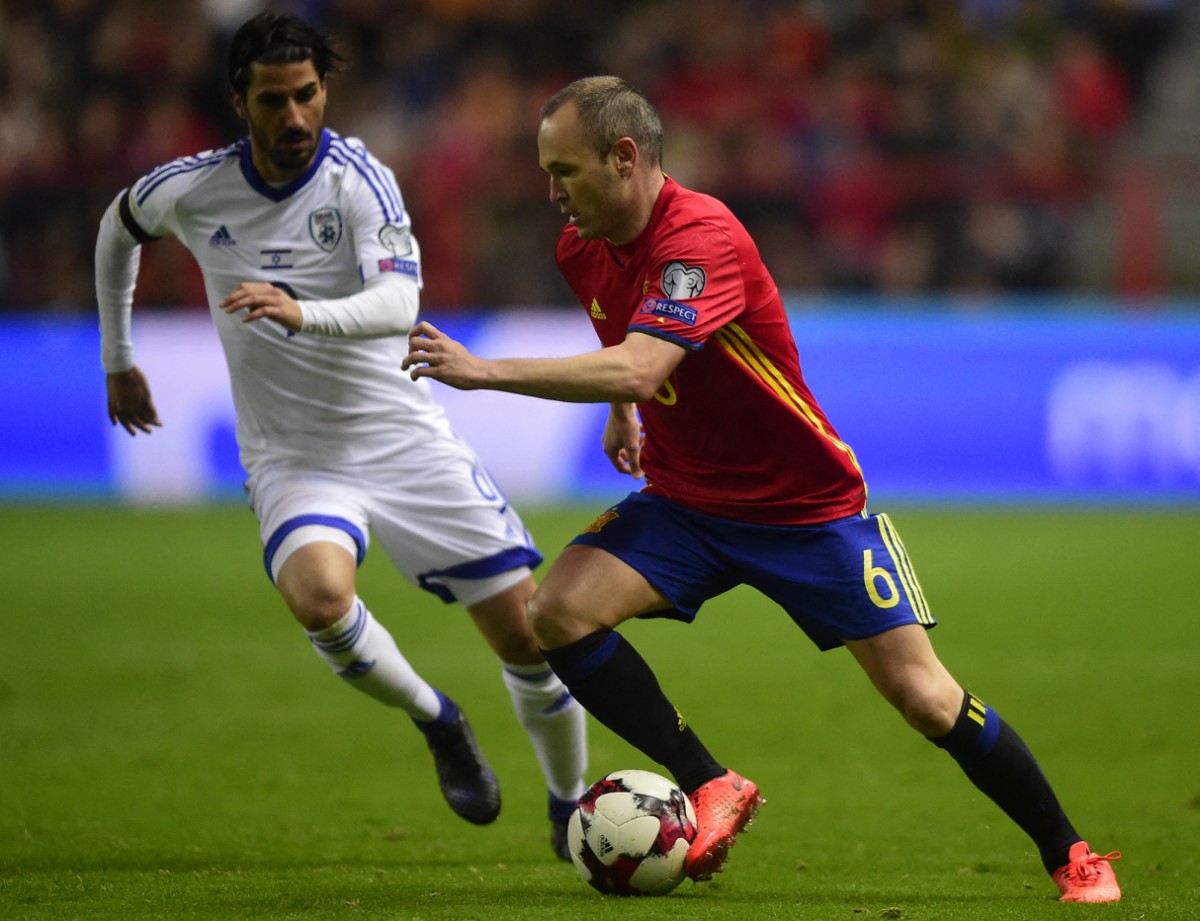
In our opening chapter of football’s greatest tournament heroes, we celebrate the only man to conquer three finals – and the genius who gave Spain their crowning moment
The clock ticked towards 116 minutes at Soccer City in Johannesburg. Extra time in a World Cup final. The Netherlands and Spain locked in brutal stalemate. Then Cesc Fàbregas threaded a pass through the Dutch defensive line, the ball found Andrés Iniesta on the edge of the box, and football history changed forever.
One touch. One strike. One moment of exquisite technique that sent La Roja into delirium and etched Iniesta’s name into World Cup folklore.
As the FIFA World Cup approaches, Nova News launches our Legends of the World Cup series – celebrating the icons who have graced football’s most storied tournament since that first edition in 1930. Through 92 years of competition (bar the 1942 and 1946 editions lost to World War II), the tournament has expanded from 13 teams to 24, then 32, and most recently to 48 nations competing for the sport’s ultimate prize.
We begin with a man who needs no introduction: Andrés Iniesta, the diminutive maestro who personified Spanish football’s golden generation and achieved something no footballer before or since has matched.
The unprecedented treble
Iniesta stands alone in football history as the only player to collect the Man of the Match award in a Champions League final, European Championship final and World Cup final. Three of the sport’s biggest stages. Three defining performances. Three moments where the brightest lights found him ready.
All that, and most importantly, he scored the winner in the latter.
That 116th-minute strike against the Netherlands in 2010 delivered Spain’s first-ever World Cup crown, ending decades of underachievement and confirming what club football had long suggested, that Spanish football had reached its zenith.
Iniesta’s celebration became iconic for reasons beyond the goal itself. He ripped off his shirt to reveal a tribute to the late Espanyol captain Dani Jarque, a lovely touch, even if referee Howard Webb promptly booked him for the gesture.
Four world cups, one immortal legacy
Whilst it was at the 2010 tournament in South Africa that Iniesta cemented his place on this list, he ran rings around the rest of the world across four separate editions of the competition.
His international journey began at Euro 2008, where Spain ended 44 years of major tournament drought. Iniesta played every game and was selected in the Team of the Tournament as La Roja dismantled opponents with a brand of possession football that would come to dominate the sport.
Two years later came that unforgettable Johannesburg night. Iniesta was named Man of the Match in the final and selected to the tournament’s All-Star Team. His performances for both Barcelona and Spain in 2010 saw him finish runner-up to Lionel Messi for the FIFA Ballon d’Or.
Then came Euro 2012, where Iniesta led Spain to their second consecutive continental crown. Again chosen as Man of the Match in the final, this time against Italy, he was named Player of the Tournament. Spain had completed an unprecedented treble: Euro 2008, World Cup 2010, Euro 2012. At the heart of it all stood the slight figure of Andrés Iniesta.
The Barcelona phenomenon
Iniesta’s professional journey began in La Masia, Barcelona’s fabled youth academy, after an early migration from his birthplace. He impressed from the start, making his first-team debut aged just 18 in 2002.
By the 2004-05 season, he’d established himself as a regular, and over the next 14 years, he assembled a trophy haul that defies belief. Iniesta’s 35 trophies, including nine La Liga titles and four UEFA Champions League crowns, make him the most decorated Spanish footballer of all time.
Under Pep Guardiola’s initial management guidance and employing the revolutionary tiki-taka philosophy, Iniesta formed part of a widely lauded midfield trio with Xavi and Sergio Busquets. From 2008 to 2015, this triumvirate was instrumental in Barcelona’s exceptional on-field success across seven seasons, delivering five La Liga titles, three Copa del Rey crowns, and three Champions League trophies.
Most remarkably, they completed the continental treble twice, in 2008-09 and 2014-15, winning all three major competitions simultaneously.
Iniesta assisted goals in the 2009, 2011 and 2015 Champions League finals, cementing his reputation as football’s ultimate big-game player.
After 22 years at Barcelona, Iniesta signed for J1 League club Vissel Kobe in 2018, winning silverware in Japan before moving to UAE Pro League club Emirates in 2023. He eventually hung up his boots in October 2024, closing the book on one of football’s most decorated careers.
The complete footballer
Vicente del Bosque described him perfectly: “A complete footballer. He can attack and defend, he creates and scores.”
Frank Rijkaard elaborated: “I played him as a false winger, central midfielder, deep midfielder and just behind the striker and he was always excellent.”
Like fellow La Masia graduate Cesc Fàbregas, Iniesta originally started as a defensive midfielder, but his extraordinary technical gifts saw him evolve into an attacking midfield force. His balance, ball control and agility in close spaces, combined with his skill, composure and flair on the ball, made him virtually unplayable at his peak.
Iniesta’s willingness to play anywhere on the pitch and his mercurial qualities earned him a collection of sobriquets from the Spanish press: El Ilusionista (The Illusionist), El Cerebro (The Brain), El Anti-Galáctico (a pun on Real Madrid’s Los Galácticos), El Caballero Pálido (The Pale Knight), and more recently, Don Andrés.
Each nickname captured a different facet of his genius, the magician, the tactician, the humble superstar, the orchestrator.
A legacy beyond trophies
Iniesta is widely regarded by many in the sport as one of the most respected and best midfielders of all time, and as one of the greatest passers and playmakers in football history.
His 35 trophies tell one story. The medals, the Man of the Match awards, the Team of the Tournament selections, they quantify excellence.
But Iniesta’s true legacy lies in moments of transcendent beauty. The perfectly weighted pass that unlocks a defence. The silky dribble through midfield traffic. The composure under pressure that spreads calm through an entire team.
And of course, that strike in Johannesburg. The goal that crowned Spain world champions for the first time. The moment when a nation’s dreams became reality through the left foot of a 26-year-old genius from Fuentealbilla.