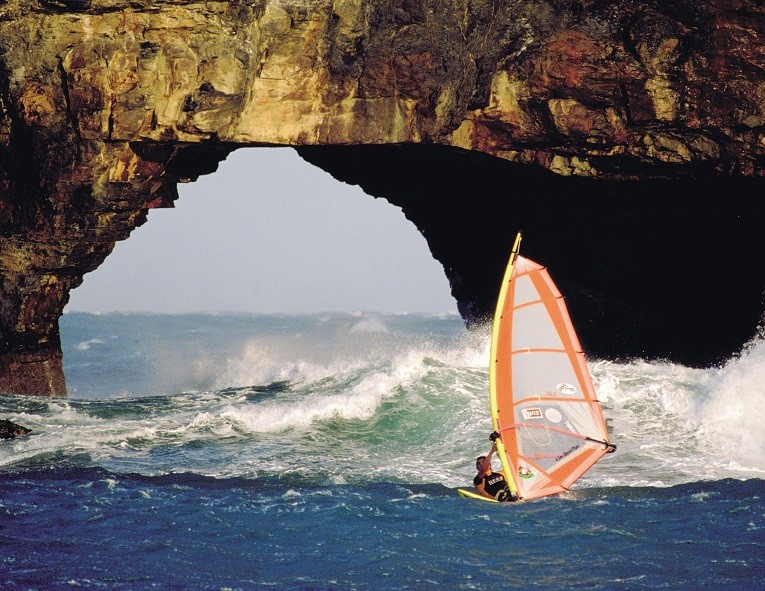
Shell and Impact Africa will have to begin a new application process if they want to conduct offshore oil and gas exploration off South Africa’s Wild Coast, after the country’s highest court ruled in favour of coastal communities and environmental conservation organisations on Friday.
The case stems from an exploration right granted to Impact Africa in 2014 for oil and gas exploration off South Africa’s Wild Coast. Shell and Impact Africa later each held a 50% interest in the exploration right.
A legal battle ensued over whether coastal communities were properly consulted before the exploration right was granted, and what seismic exploration could mean for the environment.
Seismic surveys and community resistance
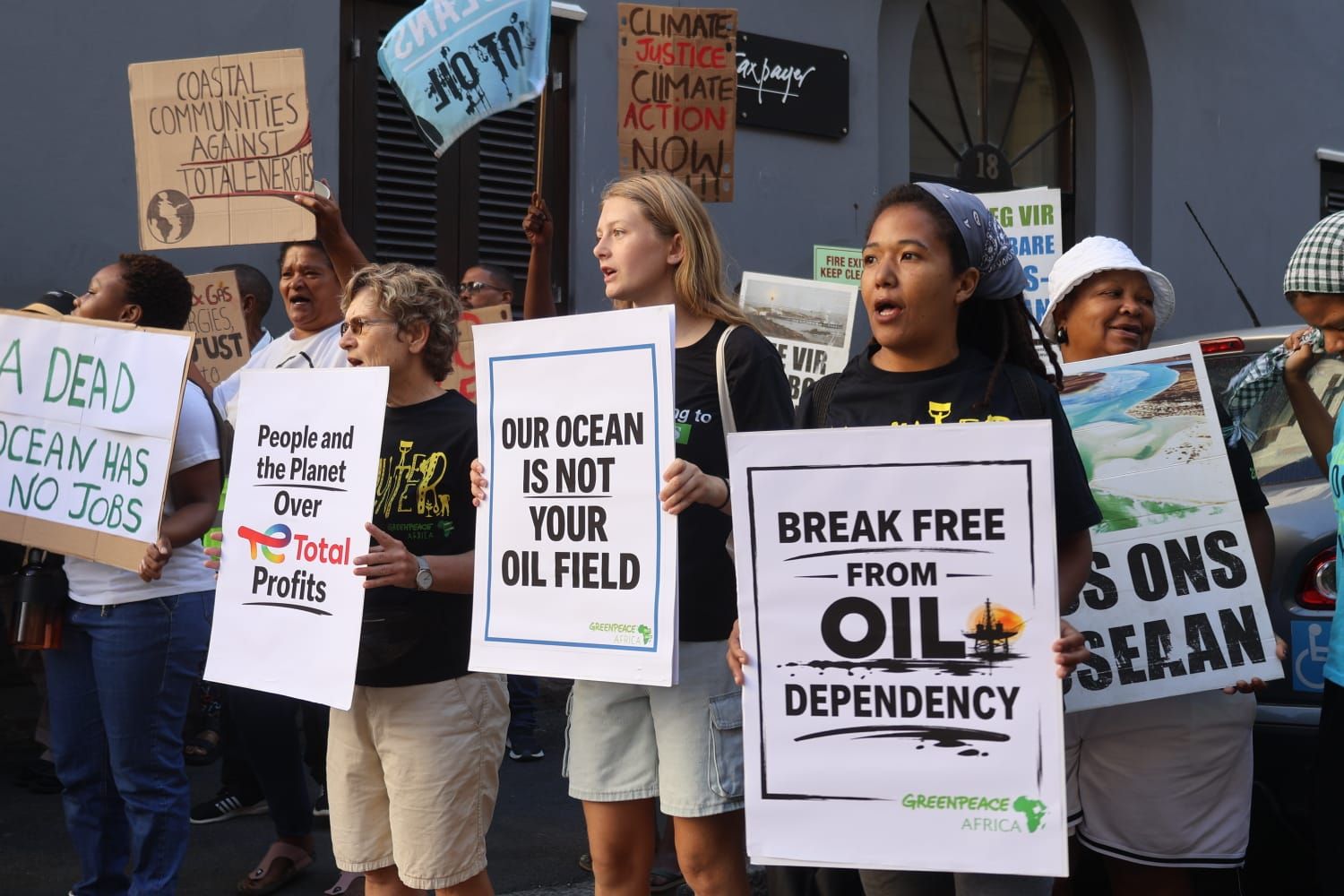
The dispute intensified in late 2021 when Shell planned to begin seismic surveys along the coast. Seismic surveys use powerful sound waves to detect oil and gas reserves beneath the seabed.
The communities that opposed the surveys argued it could harm the marine environment, their livelihoods and their cultural and spiritual connection with the sea.
Communities and environmental conservation organisations took urgent court action to halt the survey, and a second interdict eventually brought the work to a standstill.
High court and appeal court rulings
In September 2022, the high court in Makhanda set aside the exploration right after finding that affected communities were not adequately consulted when the right was granted.
However, Shell, Impact Africa and the minister of mineral resources appealed against that decision.
The appeal court in Bloemfontein agreed with the high court that the exploration right was unlawfully granted, but did not close the door on the project entirely. The exploration right, although unlawful, remained in place.
This meant the minister could consider a renewal application and a further public participation process could take place to try to remedy the defects the court had identified. The exploration process could then resume.
Constitutional Court’s final ruling
However, the Wild Coast communities, together with Sustaining the Wild Coast, Natural Justice, Greenpeace Africa and All Rise Attorneys, took the case to the constitutional court to completely block any possibility for an exploration process that the companies and minister could still attempt.
The applicants argued the continued existence of the unlawful exploration right undermined the affected communities’ right to fair administrative action, as well as their livelihoods and their cultural and spiritual connection with the sea.
They also argued the appeal court’s order did not clearly set out what process Shell and the minister must follow before exploration could take place, creating the possibility of further litigation.
They also maintained that an environmental authorisation under the current regulatory framework would be required before exploration could proceed.
The constitutional court ruled on Friday that the defects in the original granting of the exploration right cannot be remedied by a later consultation process during a renewal application. Any further attempt to obtain exploration rights will essentially require a new application and new decision-making process.
ALSO READ: West Coast fishers await court decision that could halt seismic survey off South African coast
Climate change and environmental rights
The dispute also plays out against a changed climate policy background. The Climate Change Act, which came into effect in March 2025, creates a legislative framework for South Africa’s long-term transition to a low-carbon and climate-resilient economy and society.
The applicants relied on the constitutional right to an environment that is not harmful to health or wellbeing, while environmental conservation groups argued that further large-scale exploration for fossil fuels could hardly be reconciled with South Africa’s climate commitments.