

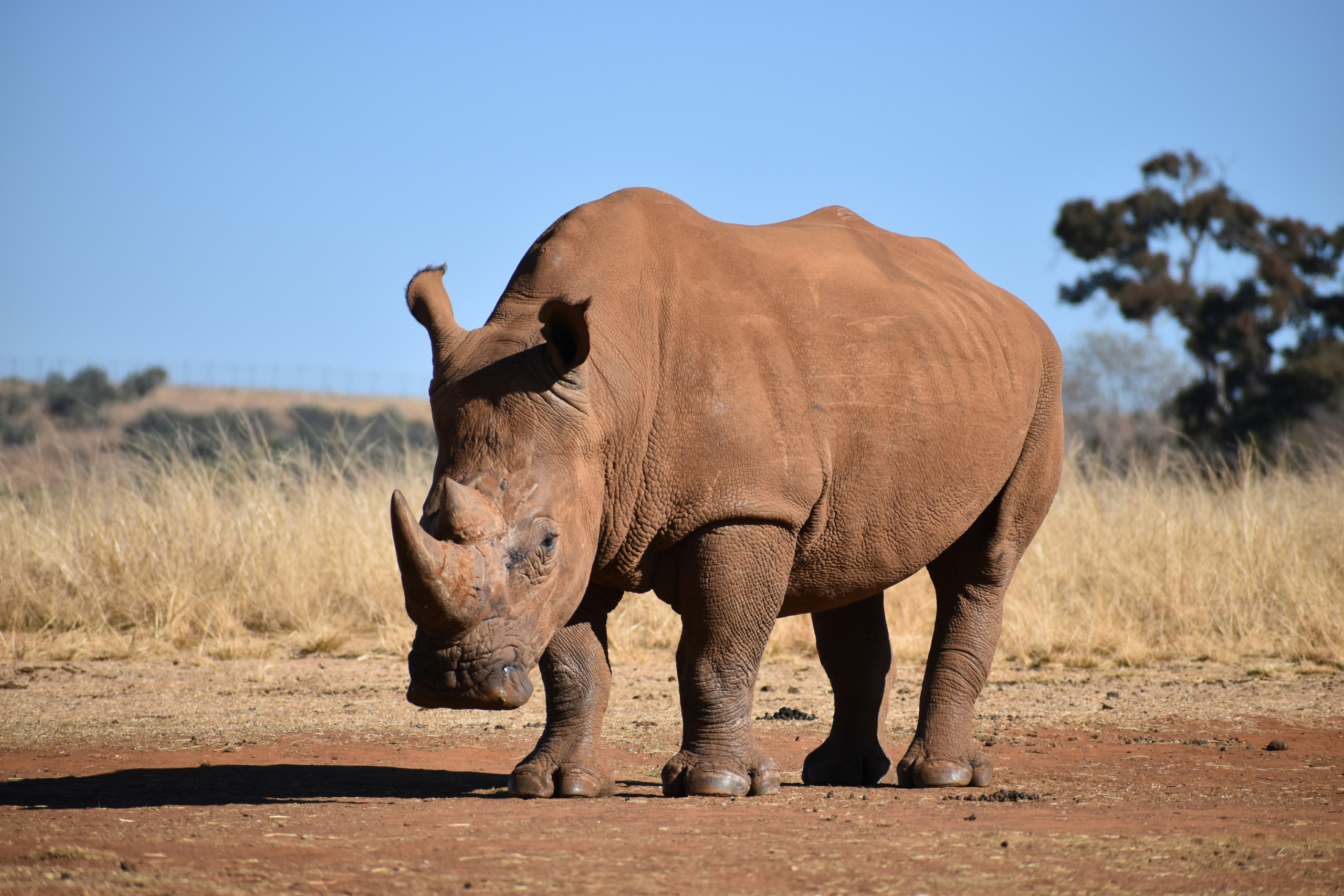
NORTHERN CAPE – A South African court has dismissed government’s bid to overturn a ruling that could enable exports of legally harvested rhino horn, private conservationist Wicus Diedericks said on Friday 3 July.
The Northern Cape High Court rejected government’s application for leave to appeal, with costs, upholding its 2025 judgment in favour of Diedericks.
The earlier ruling found that horn from captive-bred white rhinos bred for conservation purposes could qualify for export certificates, subject to legal requirements.
ALSO READ: Rhino poaching doubles in South Africa’s Kruger Park

Win for breeders
Diedericks, who owns a 13 355-hectare game reserve in the Northern Cape, Rockwood Conservation, had sued government to compel it to authorise the export of more than 500 white rhino horns.
“This historic decision validates the rights of private conservationists and breeding facilities to fund their critical, high-cost protection efforts,” he said in a statement.
“It is a decision that experts believe could save the species, sustainably fund conservation and uplift rural communities across South Africa.”
The Department Forestry, Fisheries and the Environment (DFFE) said newly appointed minister David Maynier was “currently considering the judgment” and would decide whether to appeal Friday’s court ruling.
Two sides of the coin
Trade in rhino horn has been banned globally since 1977 under the Convention on International Trade in Endangered Species of Wild Fauna and Flora.
Supporters say the ban is vital to protect dwindling wild rhino populations from poaching, while advocates of legal trade argue that regulated sales of horn harvested from live animals could fund conservation and curb black-market demand.
The British-based Environmental Investigation Agency in May described Diedericks’ lawsuit as “a reckless gambit,” saying it sought to circumvent the international ban on rhino horn trade and could increase demand, weaken enforcement and fuel illegal trafficking.
South Africa is home to the world’s largest rhino population but is also a poaching hotspot, driven by demand for rhino horn in parts of Asia, where it is used in traditional medicine and as a status symbol.
Humane trimming
In a statement issued by Rockwood Conservation, Diedericks said South Africa’s iconic Kruger National Park has lost more than 80% of its rhinos since 2010.
“While private reserves like Rockwood have successfully protected and grown our rhino populations, this success has come at an immense and unsustainable financial cost. This ruling allows conservationists to finally sell the horns we ethically trim, providing a much-needed lifeline to cover these massive protection costs.
“Rhino horn is made of keratin and is renewable. The horns can be safely and routinely harvested from live rhinos without causing any pain or injury. With this we put protection first. We already trim horns to deter poachers and prevent injuries.”
He said with the selling of existing stockpiles, they will be able to provide capital to fund security and sustainably protect their rhinos.
“For too long, the ban on legal trade has forced consumers to the black market, creating an artificial monopoly that benefits poaching syndicates. Now, we have a legal, regulated alternative that empowers the people actually protecting these magnificent animals.”
In the statement released on Friday, Diedericks urged Maynier to do the right thing. “We ask him to show courage and integrity, honour the court’s decision and transfer control of this resource away from organised crime and back into the hands of those protecting them.”
ALSO READ: Suspect arrested at Cape Town airport for alleged rhino horn trafficking



You must be logged in to post a comment.