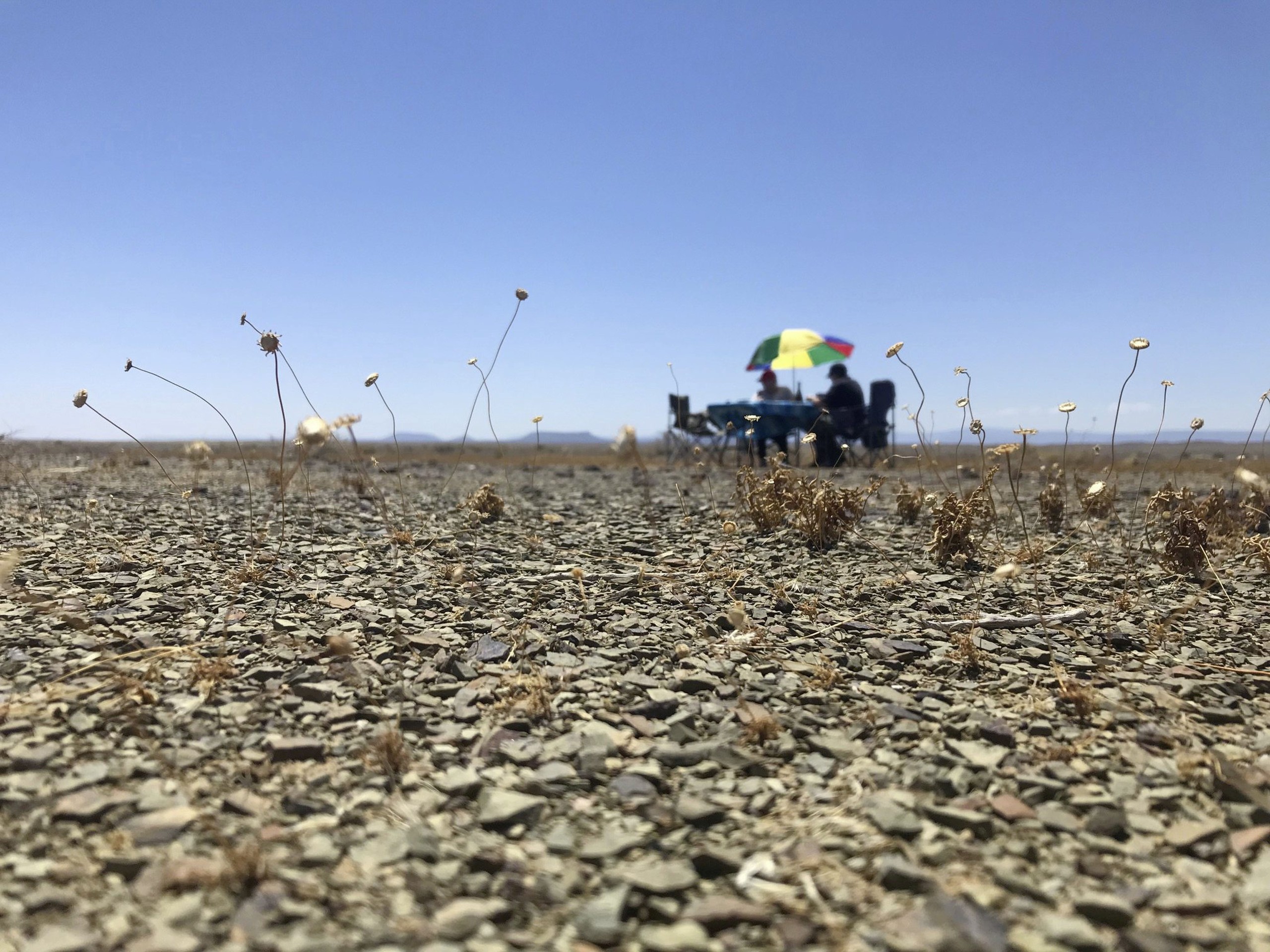
South Africa faces a potentially severe El Niño event during the 2026/27 summer season, with authorities warning communities to prepare for extreme heat, below-normal rainfall and heightened wildfire risks.
The South African Weather Service has warned the upcoming El Niño could become the strongest event in living memory, bringing warmer and drier conditions to most of the country during the October 2026 to January 2027 period.
Strongest event on record expected
The weather service said if below-normal rainfall occurs, heatwaves will likely become more frequent and severe. Combined with global warming, 2027 will likely become the warmest year ever recorded.
Officials have compared the expected event to the 2015/16 very strong El Niño, which brought unprecedented heatwaves to southern Africa. The region has warmed significantly over the subsequent 11 years, raising concerns about compound impacts.
Wide-ranging impacts forecast
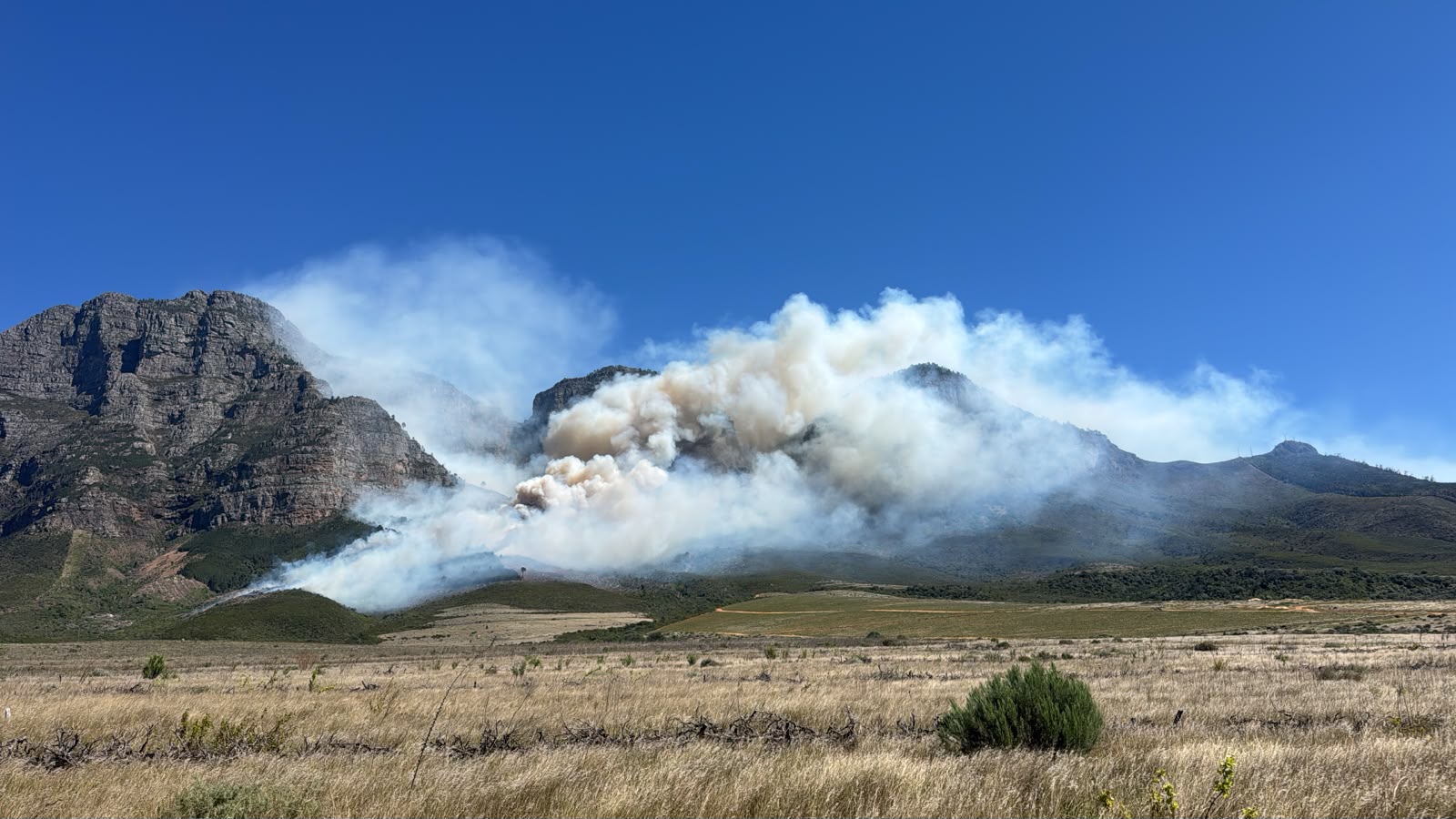
Expected impacts include water shortages, crop and livestock losses, heat-related illness, increased veld fires and pressure on health and emergency services. The event could have broader socio-economic consequences across affected regions.
Pumeza Tyali, director for disaster risk assessment and early warning at the National Disaster Management Centre, said preparedness must begin before the impacts hit. She urged officials to turn forecasts into practical action through early risk monitoring and contingency planning.
Government agencies prepare response
The National Disaster Management Centre is coordinating resilience-building efforts across national, provincial and local disaster management structures. Officials are tracking hazards, identifying exposed areas and reviewing contingency plans.
Water and sanitation authorities are implementing demand management and drought planning measures, whilst the agriculture sector is issuing advisories to farmers on crops, livestock, water availability and food security risks.
The health sector is strengthening surveillance for water-related diseases and heat-related health risks, whilst fire and emergency services are updating contingency plans and launching public awareness campaigns.
ALSO READ: Western Cape braces for eight-month fire season as severe El Niño looms
Public urged to stay informed
“Preparedness must begin before the impacts are felt,” Tyali said, adding that water and sanitation authorities are monitoring demand management whilst the agriculture sector is supporting farmers.
Officials urged the public to follow official warnings, monthly seasonal updates and daily forecasts. Media organisations have been asked to translate technical information and counter misinformation.