Rand Merchant Bank (RMB) has launched Africa’s first nature-linked outcomes-based bond, a R2.5 billion financial instrument that ties investor returns directly to environmental restoration success, as the Western Cape grapples with ongoing water challenges and dwindling dam levels.
The Cape Water Nature-Linked Outcomes-Based Bond represents a ground-breaking approach to conservation financing, with the International Finance Corporation contributing R1.6 billion as the lead investor.
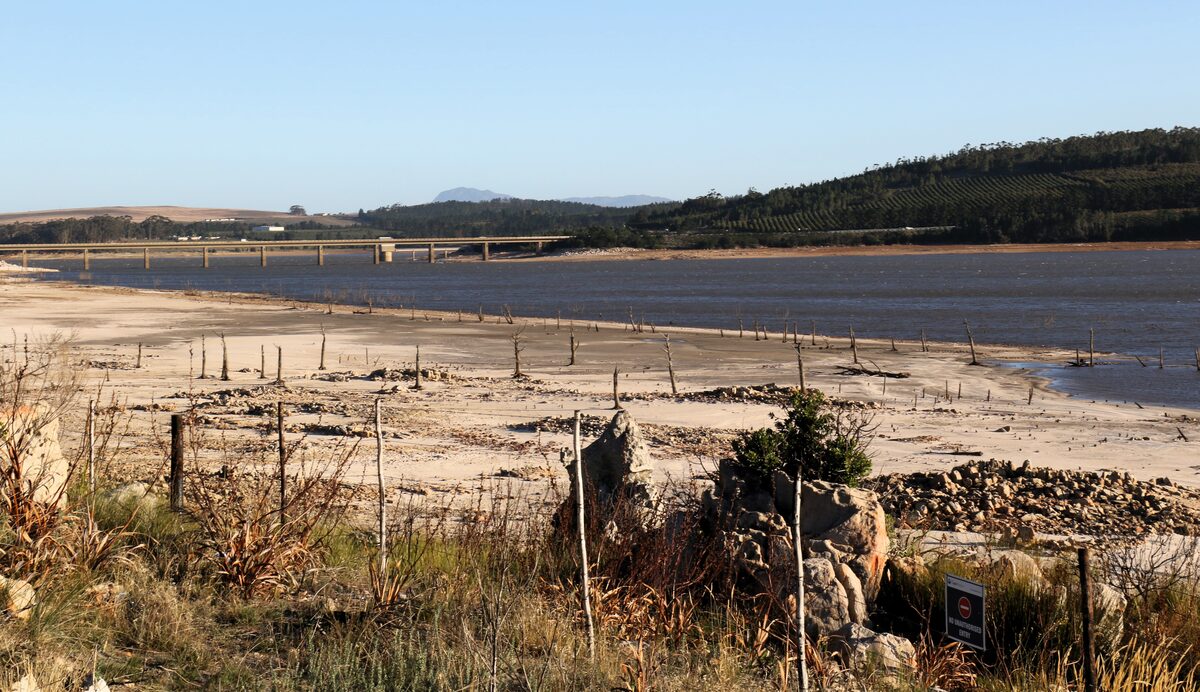
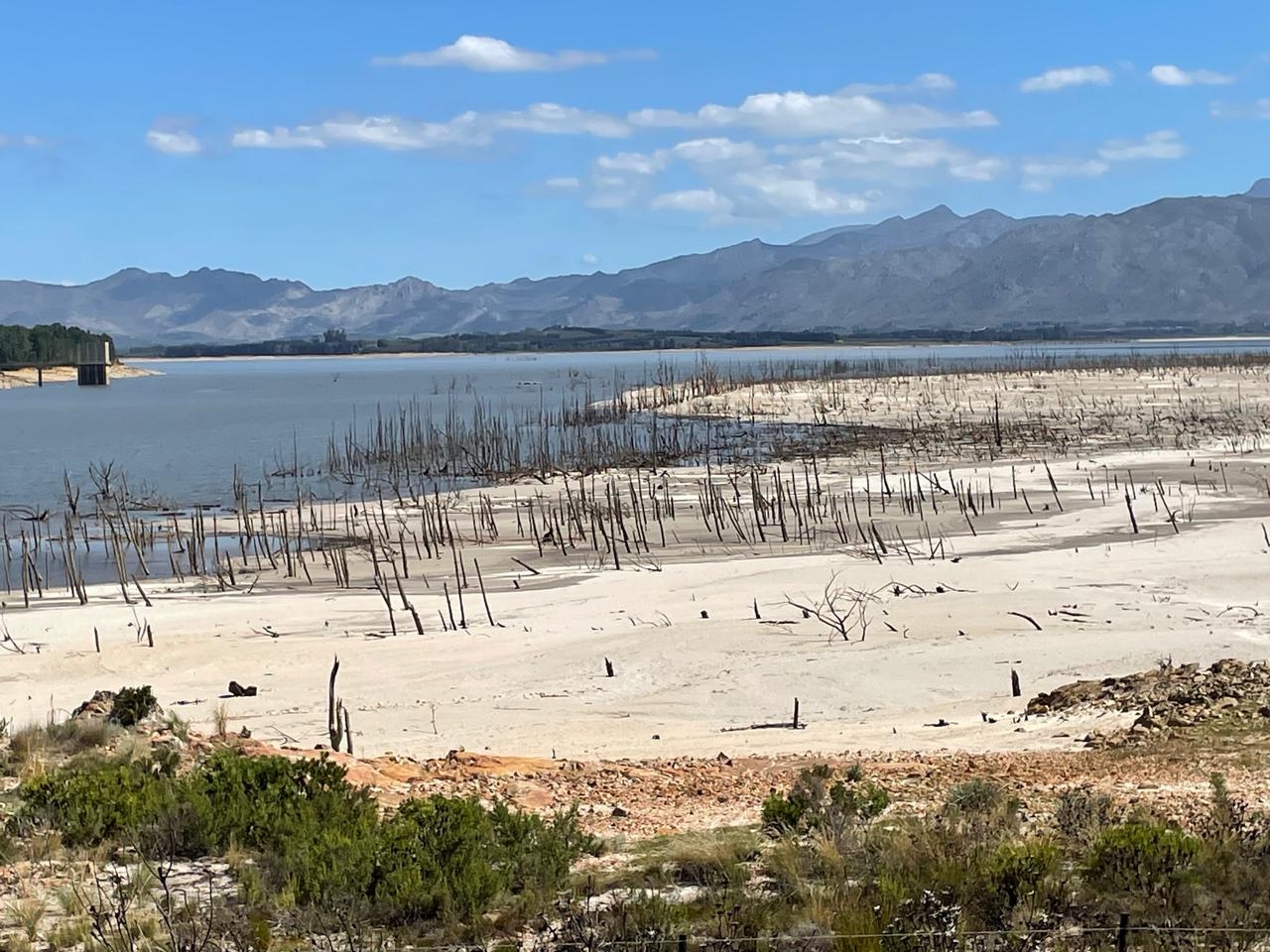
Western Cape ministers Anton Bredell and Deidre Baartman applauded the initiative, which comes as the province’s six largest dams sit at just 48.8% capacity as of March 2026, with the crucial Theewaterskloof Dam at 47.4% full.
“In terms of the Western Cape’s Water Resilience Strategy, clearing of alien invasive plants is one of the most cost-effective ways to increase streamflow into our dams,” said Bredell, Minister for Local Government, Environmental Affairs and Development Planning.
Officials have warned that dam levels could fall to 40% by May, highlighting the urgent need for innovative water security solutions.
The bond’s unique structure links investor returns to verified ecological restoration outcomes, specifically the removal of invasive alien vegetation from critical water catchments. The Nature Conservancy South Africa will implement the conservation project, focusing on the Boland Grootwinterhoek area that feeds into storage dams serving the Greater Cape Town region.
“This issuance proves private capital is ready to back ecological infrastructure when the financial structuring is sound,” said Finance Minister Baartman. “By linking returns directly to verified conservation success, this model transfers execution risk away from traditional grant funders and the public purse.”
Invasive alien vegetation costs the Western Cape tens of millions of cubic metres of water annually by reducing natural streamflow into catchments. The bond mechanism ensures that higher clearance rates – and the resulting increased water supply – boost investor returns, while underperformance reduces returns and redirects funds back into the project.
The initiative marks the first time a commercial bank has issued a capital markets instrument globally where outcomes are directly tied to verified environmental restoration. Beyond the bond proceeds, The Nature Conservancy is bringing additional matching donor funding to support the project.
The restoration work is expected to create employment opportunities for rural communities, with specific focus on women and youth in the Western Cape.
ALSO READ: Knysna receives R2,5 million emergency funding as water crisis deepens
“The Cape Water Bond is a blueprint for how we can marry the needs of the environment with the requirements of capital markets,” Bredell said. “We hope this is the first of many such bonds that will help us build a climate-resilient province.”
The timing is critical as the Western Cape faces severe water stress. The Idas Valley Dam in Stellenbosch stands at just 30% capacity, while Beaufort West Municipality’s water system remains under severe strain.
“Water security remains a strict prerequisite for provincial economic growth,” Baartman added. “Our agricultural sector and the broader regional economy require reliable inputs to function. Utilising capital market instruments to secure these ecological resources demonstrates mature financial management.”
The Development Bank of Southern Africa has also backed the outcomes-based facility, which operates over five years and represents a significant shift towards mainstream financing of natural capital in South Africa.
ALSO READ: Western Cape dam levels continue to fall as water restrictions loom