


A sophisticated international criminal network is systematically stripping South Africa’s unique flora from its natural habitat, with the critically endangered Clivia mirabilis becoming the latest victim in a growing environmental crime wave that spans more than 170 countries.
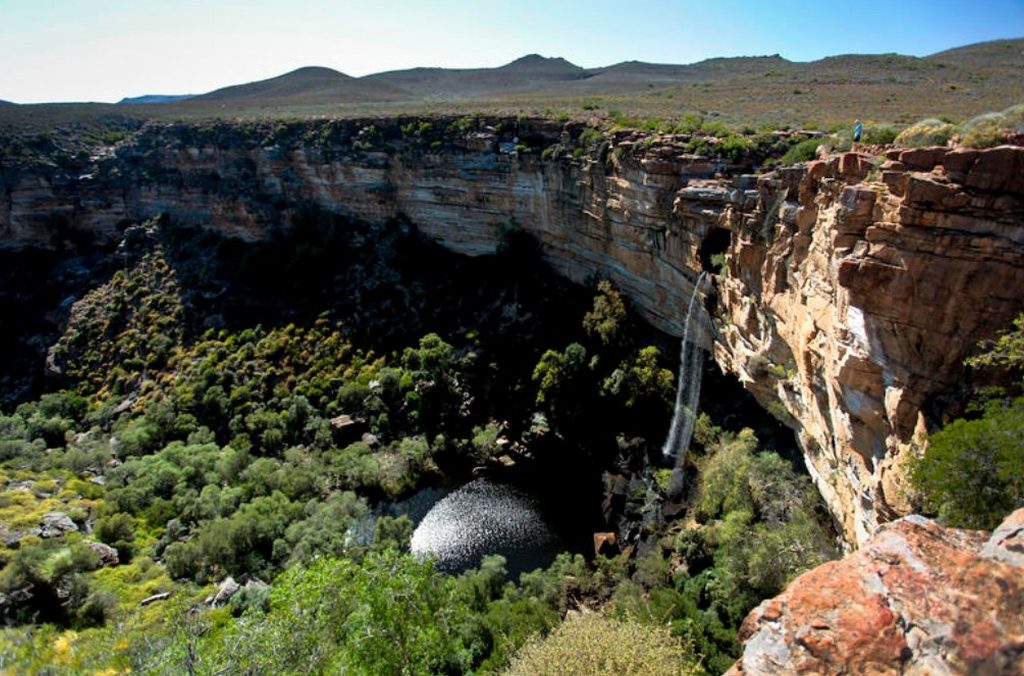
Recent parliamentary data reveals the shocking extent of this ecological assault on the Western Cape’s irreplaceable biodiversity. In just three months, authorities documented 70 separate incursions into the Oorlogskloof Nature Reserve (near Nieuwoudtville in the Northern Cape) alone, with an additional eight incidents recorded in the narby Koebee/Klein Kobee area.
Since April 2024, CapeNature has arrested 49 suspects and recovered more than 2 400 poached plants. Alarmingly, half of the arrested suspects have been identified as illegal foreign nationals, highlighting the international nature of these criminal operations. The illegal trade routes for Clivia mirabilis now extend across more than 170 countries, demonstrating the global reach of these trafficking networks.
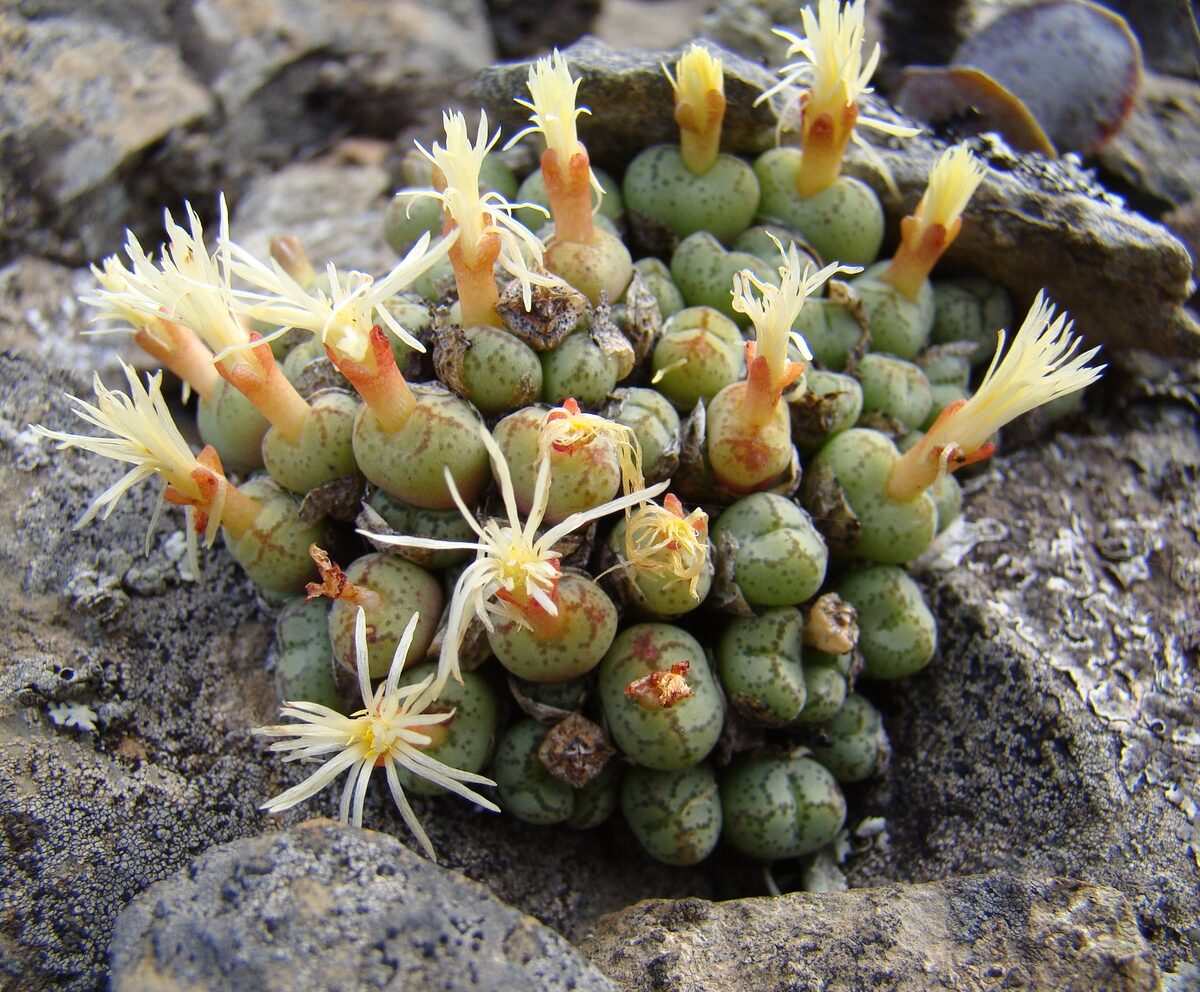
Clivia mirabilis is not just another plant. This critically endangered species is found exclusively in the Succulent Karoo and Cape Floristic Region, making every stolen specimen an irreplaceable loss to global natural heritage. The Western Cape sits at the intersection of two of the world’s most important biodiversity hotspots, amplifying the significance of these crimes.
Dave Bryant DA Western Cape spokesperson on Environmental Affairs, highlighted the broader implications of this crisis. “Clivia poaching is more than the loss of a single plant, it is about the theft of our natural heritage and the erosion of ecosystems that sustain our communities,” Bryant said. “CapeNature is doing exceptional work under pressure, but they cannot do it alone. The DA will continue to fight for the resources and partnerships needed to protect our biodiversity for generations to come.”
Bryant said that the theft of Clivia mirabilis is far more than botanical crime.
“These organised poaching operations threaten the very foundation of rural livelihoods and local economies and tourism. The intact ecosystems these plants help maintain also regulate water cycles and protect watersheds, making their preservation crucial for water security across the region.”
Despite facing significant resource constraints, CapeNature has mounted an impressive defense against these environmental criminals. Working in partnership with the South African Police Service, provincial and national government departments, and various non-governmental organisations, the conservation authority has successfully disrupted criminal activity through targeted arrests and prosecutions.
Bryant commended CapeNature’s determined efforts while calling for immediate action to enhance protection measures. The party argues that protecting South Africa’s biodiversity requires sustained investment in conservation infrastructure, stronger coordination between national agencies, enhanced accountability measures, and improved international cooperation to disrupt trafficking networks.
The fight against floral poaching has evolved into a battle for South Africa’s environmental security, with implications that extend far beyond the borders of nature reserves and into the heart of communities that depend on these ecosystems for their survival and prosperity.
ALSO READ: Western Cape cracks down on biodiversity crime s protected species face growing threat




You must be logged in to post a comment.