WORCESTER: Rapid urbanisation, ageing infrastructure, climate risks and service delivery gaps.
These challenges prompted a review of the current Strategic Framework for Water Services.
Public consultations on the proposed amendments to the current Strategic Framework for Water Services began on 14 October 2026.
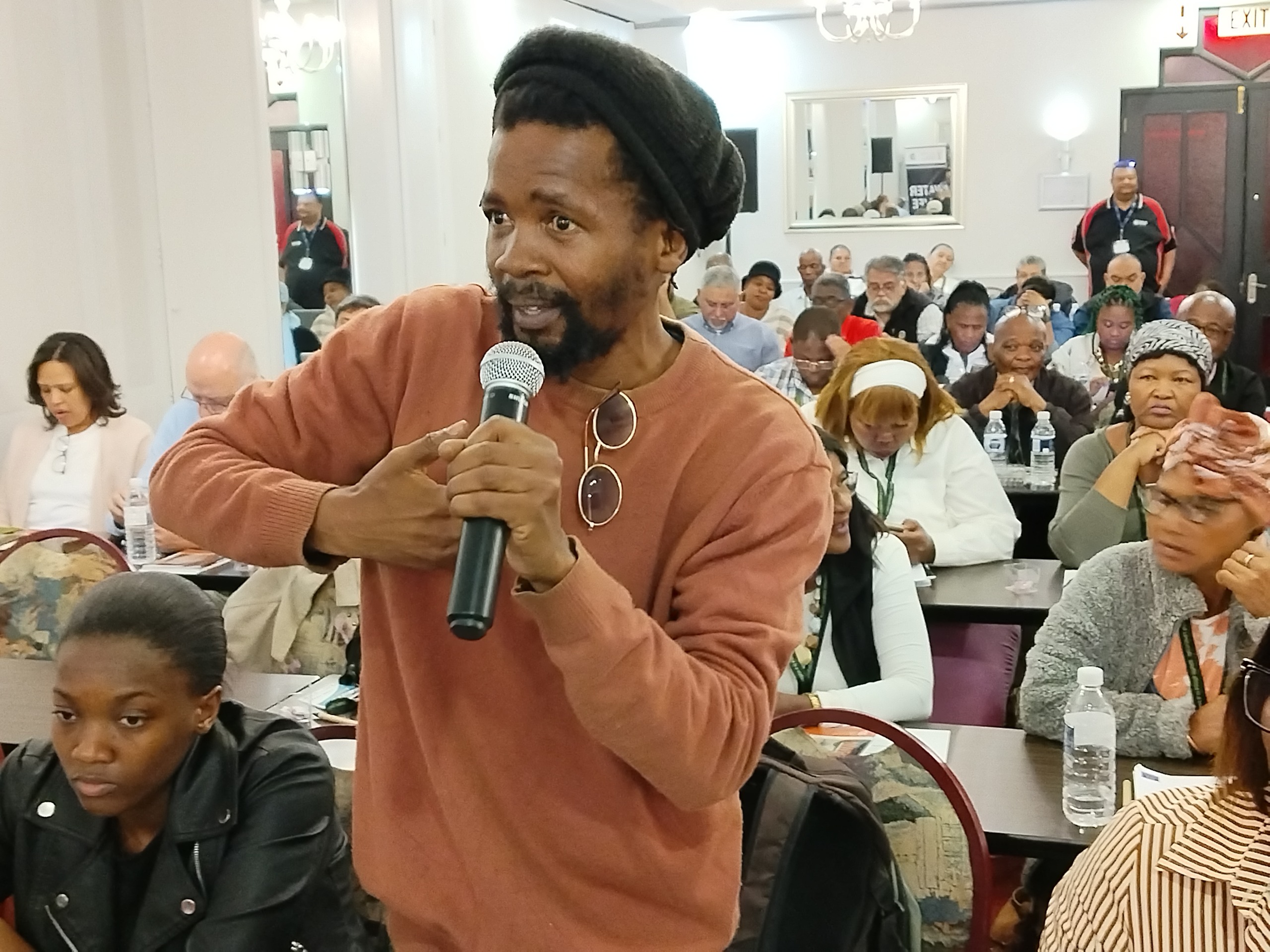
The consultations with the communities of the Cape Winelands District Municipality hosted by the National Department of Water and Sanitation Services, were held at the Cumberland Hotel in Worcester.
In the Cape Winelands public consultations, stakeholders came from Worcester, Robertson and Ashton. Representatives from Langeberg and Witzenberg Municipalities were also present.
The public consultations sought input from affected stakeholders on the proposed amendments to the Strategic Framework for Water Services. The current framework was gazetted in 2003. Since then, the sector has evolved.
According to Siboniso Ndlovu, Head of Policy, Strategy and Evaluation, the current policy framework needs to be reviewed.
“The existing policy framework laid an important foundation for reform and progress in the water and sanitation services sector. It helped define institutional roles, establish service standards and guide investment.
“However, more than two decades later, the sector is operating in a significantly different environment, with new challenges and priorities requiring a responsive policy framework.”
He said today the sector faces evolving challenges, including rapid urbanisation, ageing infrastructure, climate risks and service delivery gaps, which the policy review wants to address.
Some of the issues raised by Cape Winelands stakeholders include a lack of water services delivery by municipalities, the installation of water and sanitation services on privately owned land (farms), government interventions to address ageing infrastructure and allegations of current policies that favour foreigners over locals.
Emerging farmer Sanda Fata said the framework needs to regulate water quality because his drinking water is very poor. “As a result, affluent people buy water,” he said.
“I don’t even want to speak about water for us as farmers; we don’t have any water.”
Ndlovu said the input received today will be incorporated into the final policy framework, which will be tabled before Cabinet before the end of this financial year.
Ntombizanele Bila-Mupariwa, Head of the Department of Water and Sanitation in the Western Cape, assured stakeholders that a follow-up engagement session will be convened to provide feedback on the issues and concerns raised during the consultation process.
“We remain committed to engaging stakeholders through various platforms and communication channels as we address the matters that have been brought to our attention.”
She further indicated that the valuable input received from stakeholders will be carefully considered and incorporated into the final policy framework.
“Stakeholder participation is critical in ensuring that the policy framework is responsive, practical and aligned with the needs and expectations of the communities it seeks to serve.”
ALSO READ: Government’s latest water plan short on deadlines and accountability, warns OUTA