


Anti-corruption watchdog says the government’s newly published water strategy correctly identifies South Africa’s water crisis but fails to set clear deadlines, confirm funding and establish consequences for officials who do not deliver.
The Organisation Undoing Tax Abuse (OUTA) has raised concerns that the 2026 Strategic Framework for Water and Sanitation Services risks becoming another document that highlights problems without fixing anything on the ground.
The organisation supports the framework’s direction but warns that South Africans do not need more explanations about why taps run dry or sewage flows into streets. They need to know when municipalities will fix these problems and who will face consequences when they fail.
Targets pushed back, funding unclear
The framework outlines how government plans to improve water and sanitation services across the country. It acknowledges ageing infrastructure, failing wastewater treatment plants, high water losses, weak municipal capacity and unequal access to basic services.
However, OUTA found that some commitments linked to United Nations Sustainable Development Goals appear to have shifted from a 2030 deadline to 2035. The document also presents grant funding for infrastructure repairs differently in separate sections, creating confusion about how much money will actually go where.
The framework still contains targets and performance indicators described as preliminary, unconfirmed or requiring further validation.
“Identifying these problems is not the same as fixing them. South Africa does not have a shortage of water policies. We have a shortage of implementation, accountability and consequences,” says Julius Kleynhans, executive manager at OUTA.
Communities already paying the price
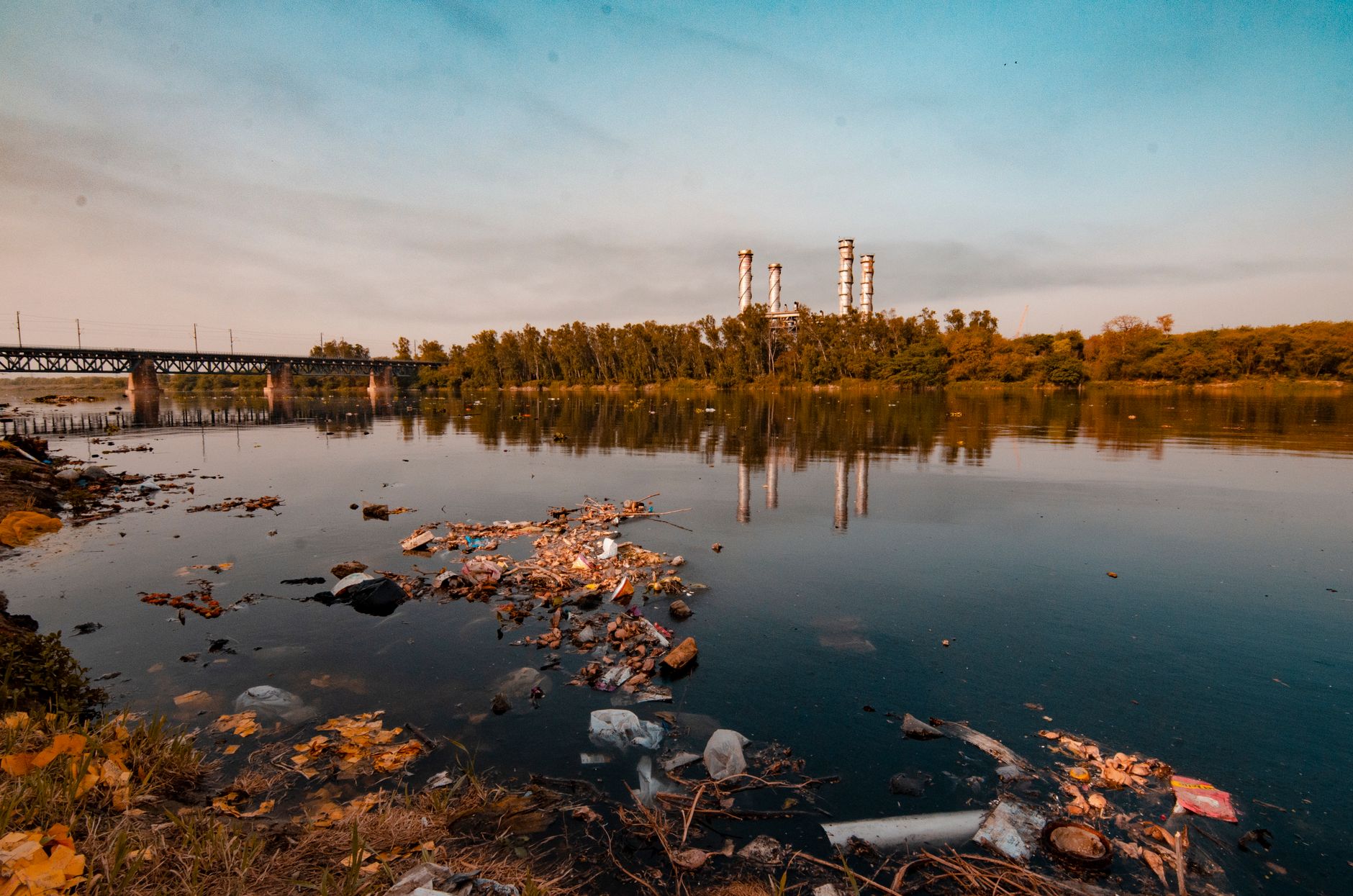
Repeated water interruptions disrupt daily life and business operations while sewage spills create health and environmental dangers. Poor maintenance drives up the cost of repairing or replacing infrastructure, putting more pressure on municipal budgets and the communities that depend on these services.
OUTA points out that when municipalities pollute rivers with sewage and get fined, ratepayers foot the bill. The organisation wants officials and politicians to pay fines or face jail time when these violations occur.
“Residents pay their municipal accounts, but too often the same municipalities fail to deliver the services they are being paid to provide. A new strategy means very little to a family without water for days or a community living with sewage running down its streets,” Kleynhans says.
Independent regulator needed now
The framework proposes measures OUTA supports, including appointing qualified professionals to manage water services, reducing water losses, investing in infrastructure maintenance and establishing an independent economic and water services regulator.
However, OUTA insists the country cannot afford delays on the independent regulator.
“As a nation, we cannot afford for the player to be the referee in water services any longer. An independent regulator cannot remain another future promise. South Africans need transparent, credible and impartial water regulation now that can apply reasonable oversight and accountability measures regardless of what political party is in power,” Kleynhans says.
What needs to change
OUTA wants the framework strengthened with clear annual milestones, transparent funding commitments and specific responsibilities for every institution tasked with improvements.
The organisation says progress must be independently verified and publicly reported so residents can see whether their municipalities meet obligations. Where water service authorities repeatedly fail to comply, meaningful intervention and consequences must follow.
“Communities cannot wait until 2035 for municipalities to meet basic governance and reporting obligations that should have been in place years ago,” Kleynhans says.
ALSO READ: Water law push as services fail
“If government is serious about fixing water services, every commitment must have a deadline, a responsible institution and a measurable outcome. There must also be consequences when those commitments are ignored.”
OUTA will continue monitoring the framework and advocating for stronger municipal oversight, transparent infrastructure spending and consequences for officials and institutions that fail to deliver.
The organisation says the framework’s success will not be measured by how many commitments it contains but by whether South Africans experience fewer water interruptions, functioning sanitation systems and better-maintained infrastructure.
“Government cannot keep producing strategies while infrastructure deteriorates and communities suffer. We need to move from identifying problems to fixing them, with measurable results that the public can see,” Kleynhans says.
“Water is an essential service, not a political promise. South Africans deserve to know who is responsible for delivering it, when improvements will happen and who will be held accountable when they don’t.”


You must be logged in to post a comment.