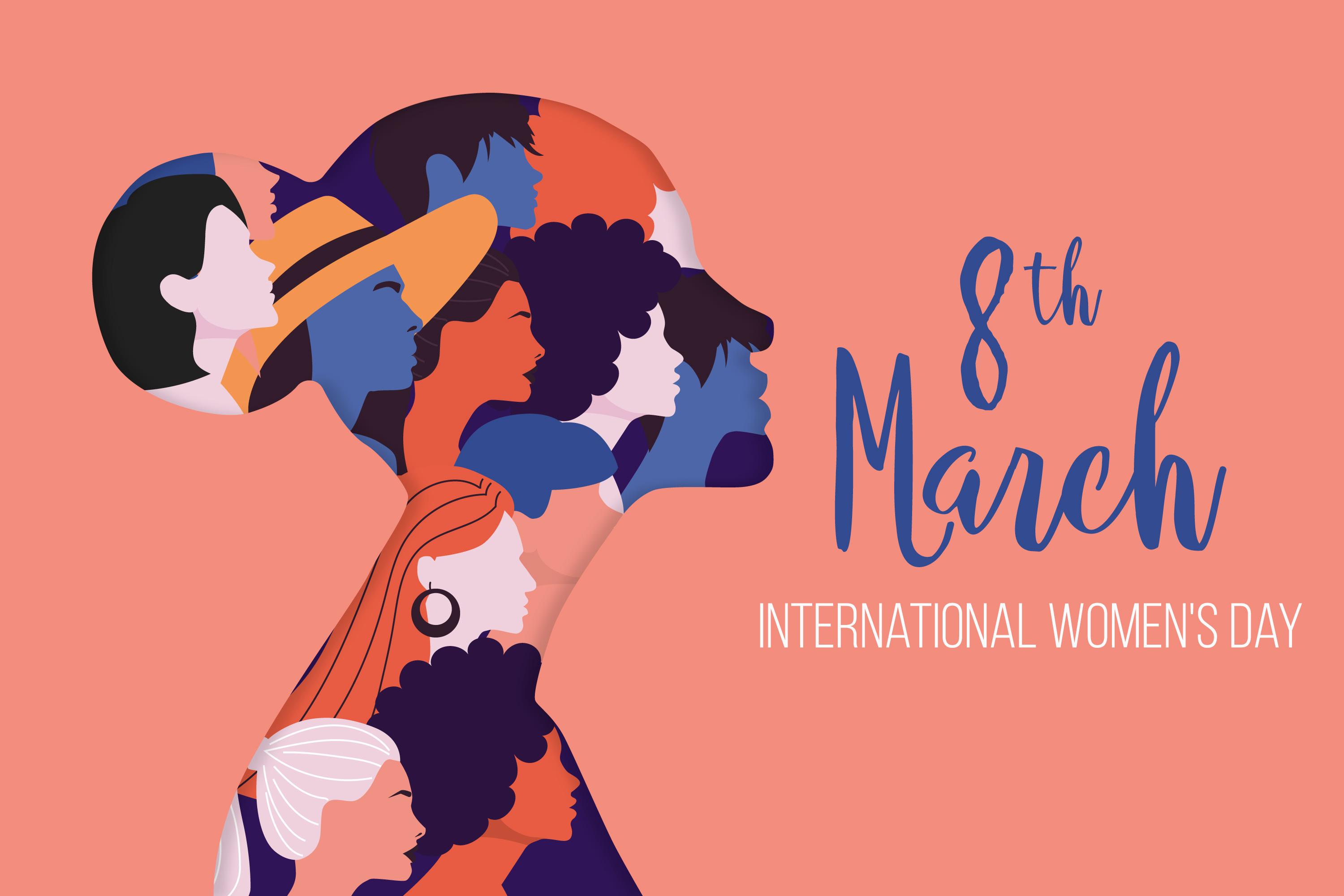
The rights of women are celebrated worldwide today (8 March) on International Women’s Day.
In a world where millions of women still suffer or have less rights due to their gender, this day aims to encourage societies to work towards a world free of bias, stereotypes, and discrimination.
According to the United Nations, the theme for this year is “Rights. Justice. Action. For ALL Women and Girls”. They call for action to dismantle all barriers to equal justice such as laws that are discriminatory, weak legal protections, and harmful practices and social norms that erode the rights of women and girls.
Legislation
The organisation says that women have only 64 % of the legal rights that men hold worldwide. Due to several laws in fundamental areas of life such as work, money, safety, family, property, mobility, business, and retirement systematically disadvantages women.
This exposes them to discrimination, violence, and exclusion at every stage of their lives.
The United Nations Secretary-General’s report “Ensuring and Strengthening Access to Justice for All Women and Girls”, states shocking figures that should shake those in countries with more equal rights into action. Not all women have the benefit of being protected by laws.
In over half of the world’s countries (54 %) rape is still not defined on the basis of consent. This means a woman can be raped and the law may not recognize it as a crime. A girl can still be forced to marry, by national law, in nearly 3 out of 4 countries. In 44 % of countries, the law does not mandate equal remuneration for work of equal value, meaning women can still legally be paid less for the same work.
Some countries make progress
The same report shows that progress is indeed possible. About 87% of countries have legislation against domestic violence in place and more than 40 countries have strengthened constitutional protections for women and girls over the past decade.
Some of the greatest obstacles to progress, however, are discriminatory social norms. This includes stigma, victim-blaming, fear, and community pressure that has the effect of silencing survivors. Often the most extreme forms of violence, including femicide, goes unpunished.
Everyday realities such as cost, time, language, and distrust that institutions will protect them are also barriers that many women need to overcome.
The 2025 Global Gender Gap Index shows that no economy has yet achieved full gender parity. In the list of countries that have made the most progress, Iceland takes top spot with 92.6% equality for the sixteenth consecutive year. The other top countries to have closed their gender caps include Finland (87.9%), Norway (86.3%), Sweden (81.7%), the United Kingdom (83.8%), Republic of Moldova (81.3%), Germany (80.3%) and Ireland (80.1%), New Zealand (82.7%) and Namibia (81.1%).
In South Africa, 9 August is also celebrated as Women’s Day to commemorate the historic 1956 march to the Union Buildings, where 20,000 women protested against apartheid pass laws.