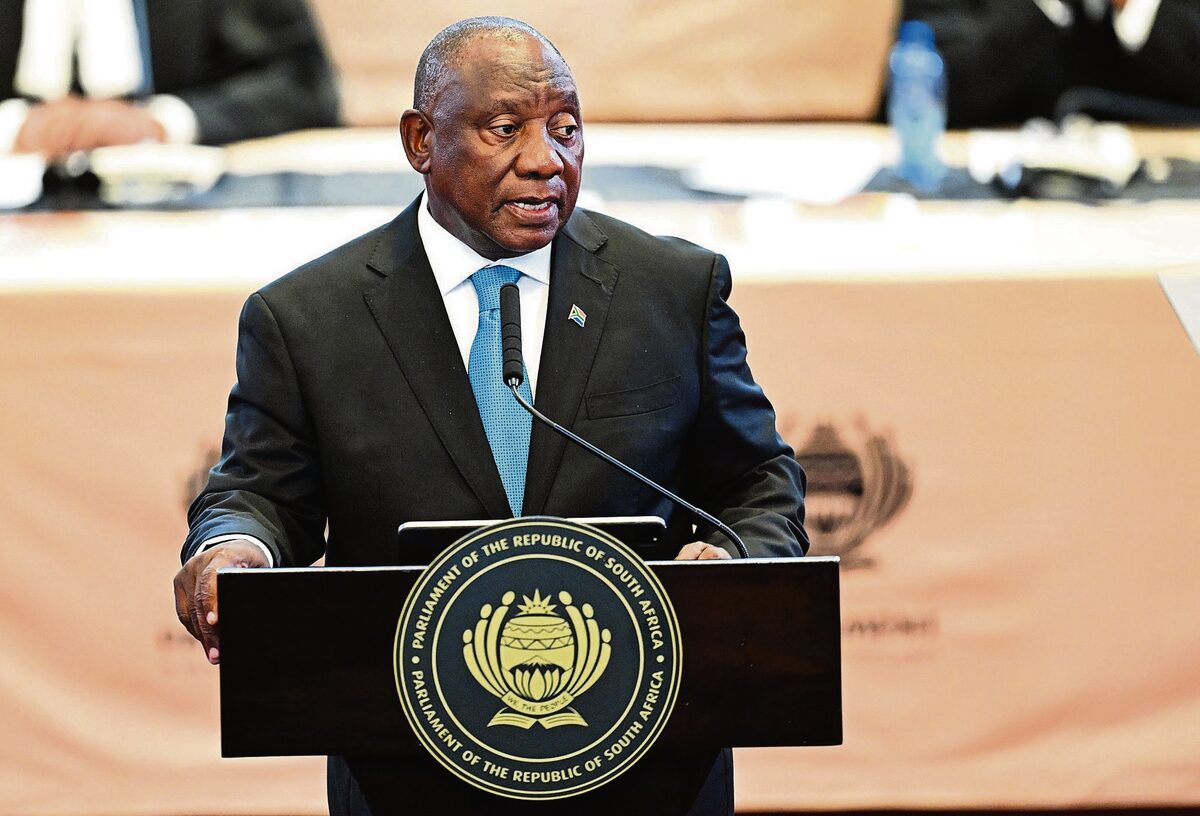
President Cyril Ramaphosa has approved a major shake-up of South Africa’s electricity system that could change how ordinary people get their power and what they pay for it.
This week, Ramaphosa endorsed a detailed plan to split Eskom’s power grid into a separate, independent company called the Transmission System Operator (TSO). The move is designed to bring more competition into the electricity market, lower prices and improve reliability.
Breaking up Eskom’s monopoly
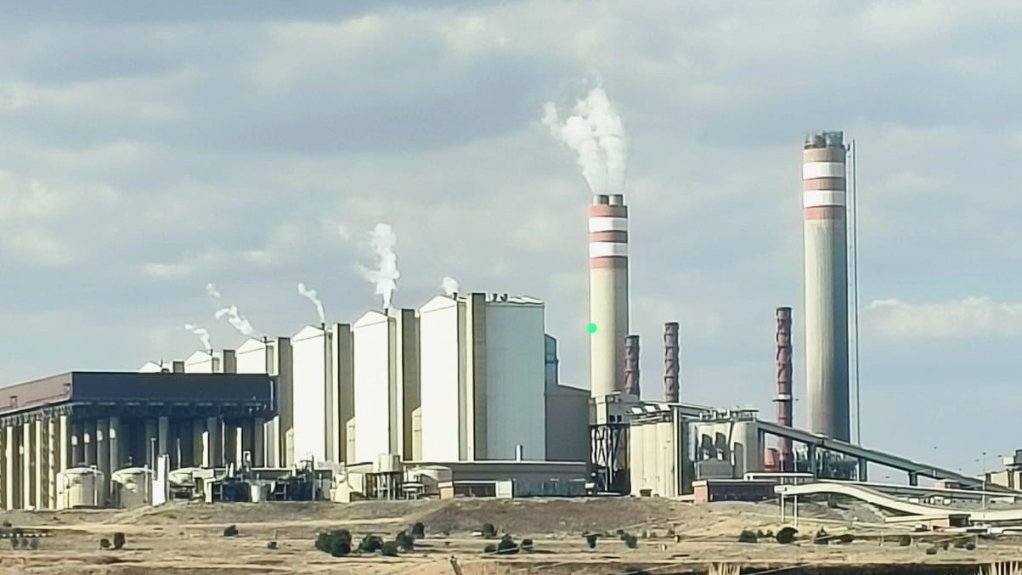
Currently, Eskom controls almost everything in South Africa’s electricity system. It generates most of the country’s power, runs the high-voltage transmission lines that carry electricity across the country, and sells power to municipalities and major customers. This dominance means little competition and limited choice for consumers.
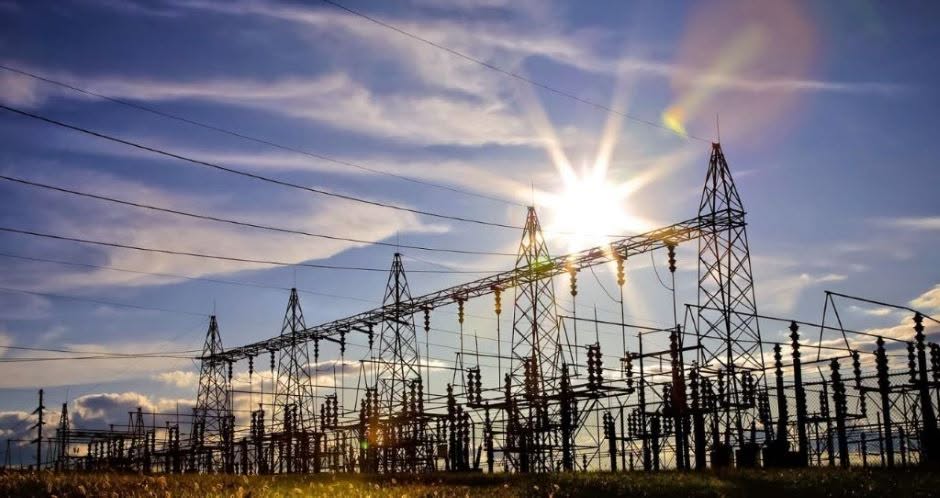
The new plan will create an independent state-owned TSO that will control the national power grid separately from Eskom. Think of it as a neutral referee managing the electricity highway. Instead of Eskom deciding who can use the transmission lines and at what price, the TSO will operate the grid fairly, allowing different electricity producers to compete.
What it means for your electricity bill
For the average household, this restructuring aims to deliver three main benefits. First, more competition should lead to lower electricity prices over time, as private companies and independent power producers will be able to sell electricity more easily. Second, better grid management could mean fewer power cuts and more reliable supply. Third, the independent operator will make the system more transparent, showing exactly what consumers are paying for in their electricity bills.
However, the road ahead is long. The government has set a deadline of December 2027 to establish the fully independent TSO. Until then, the National Transmission Company of South Africa (NTCSA), which was legally separated from Eskom in July 2024, will continue managing the grid.
In the meantime, authorities have approved electricity price increases of 5,36% for 2026/27 and 6,19% for 2027/28. These increases reflect the costs of keeping the system running while reforms take shape.
Municipal debt threatens the system
The plan also tackles a critical problem threatening the entire electricity system: municipalities owe Eskom more than R110-billion in unpaid electricity bills. This debt grows by approximately R3-billion every month and puts enormous pressure on Eskom’s ability to maintain the grid and invest in improvements.
To address this crisis, the government will enforce stricter credit controls on municipalities, roll out smart meters to reduce electricity theft, and push ahead with agreements that give Eskom direct control over billing in some areas. These measures aim to stop municipalities from accumulating more debt and protect the electricity system from collapse.
Immediate changes include strengthening the independence of the NTCSA by preventing board members from serving on both the Eskom and NTCSA boards simultaneously. The NTCSA will also get full control over decisions about who can connect to the transmission network, removing potential conflicts of interest.
The government will also unbundle electricity tariffs, meaning consumers will see a clearer breakdown of what they are paying for. Instead of one lump sum for electricity, bills will show separate charges for generation, transmission and distribution. This transparency should help people understand where their money goes and make it easier to compare different electricity providers in future.
While the reforms promise long-term benefits, consumers should not expect immediate relief. The restructuring will take years to complete, and electricity prices will continue rising in the short term to cover Eskom’s costs and infrastructure improvements.
The next three months will be crucial, as the Eskom Restructuring Task Team develops a detailed plan for how to actually implement these changes without destabilising Eskom’s finances or leaving South Africa without reliable power during the transition.
For now, households and businesses can expect the same Eskom service they have always received. The real changes will unfold gradually as the independent TSO takes shape and new electricity providers enter the market to compete for customers.
ALSO READ: Godongwana sets strict conditions for 69 municipalities to unlock frozen funds