


The state-owned power utility, which was losing R12.3 billion just two years ago and owed over R300 billion, has managed to get back into the drivers seat thanks to improved operations and government support.
The most visible sign of Eskom’s recovery has been the massive reduction in loadshedding. South Africans endured power cuts for 329 days in 2024, but this dropped to just 13 days in 2025 – a dramatic improvement that has brought relief to households and businesses across the country.
“Eskom is turning the corner,” President Cyril Ramaphosa said in a statement announcing the results. The improvement comes after years of mismanagement, corruption, and aging infrastructure that left the power grid on the brink of collapse.
Ramaphosa however said that the turnaround wasn’t magic – it required hard work and smart partnerships. The government created a special National Electricity Crisis Committee (NECOM) that brought together different departments to tackle the crisis head-on.
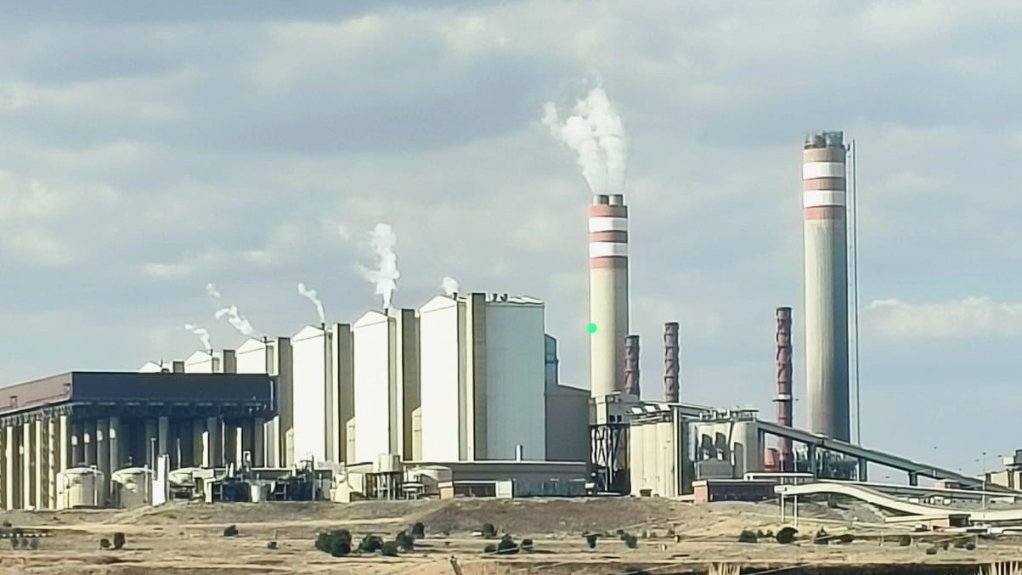
Eskom also got its coal-fired power plants working more reliably, which meant they didn’t need to burn expensive diesel as backup. This alone saved the company about R16 billion.
The utility now plans to invest more than R320 billion in expanding and maintaining its infrastructure over the coming years.
Despite the good news, Eskom still faces serious problems. Municipalities owe the company billions of rand, and this debt has actually grown by 27% in the past year. Many local governments simply can’t afford to pay their electricity bills, creating a cycle of financial strain.
ALSO READ: ESKOM struggles to restore supply amid rising criminal activities
The government isn’t stopping at fixing Eskom – they’re also changing the rules of the game. New legislation passed in January will eventually split Eskom into separate companies for generation, transmission, and distribution. This will allow private companies to compete and invest in South Africa’s electricity sector.
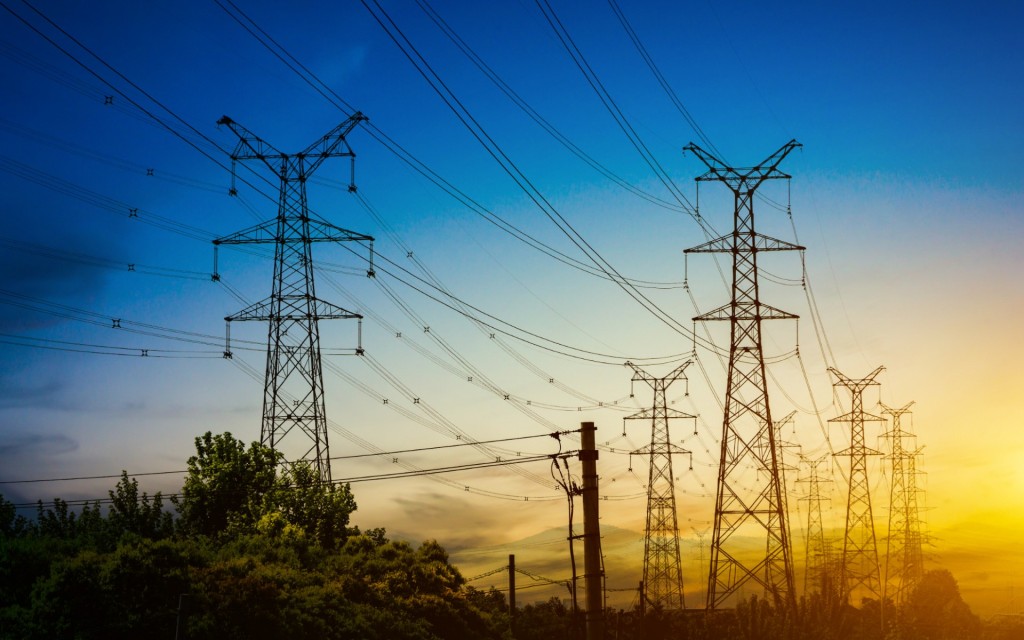
Plans are also underway to build 14 000 km of new power lines over the next decade, working with private partners to expand the grid.
The President highlighted how the partnership approach – bringing together government, business, and other stakeholders – has been key to the turnaround. This same model is now being used to tackle other challenges like transport problems, crime, and youth unemployment.
For ordinary South Africans who have endured years of power cuts that disrupted work, school, and daily life, Eskom’s return to profitability offers hope that the worst of the electricity crisis may finally be behind them.
The utility that was once on the verge of collapse and threatening to take the entire economy down with it is now showing that with the right approach, even South Africa’s most challenging problems can be solved.
ALSO READ: Electricty bills set to soar over NERSA pricing blunder



You must be logged in to post a comment.