JOHANNESBURG – The South African government is implementing sweeping reforms across key sectors including electricity, transport, water and visa regulations to drive economic growth and attract investment.
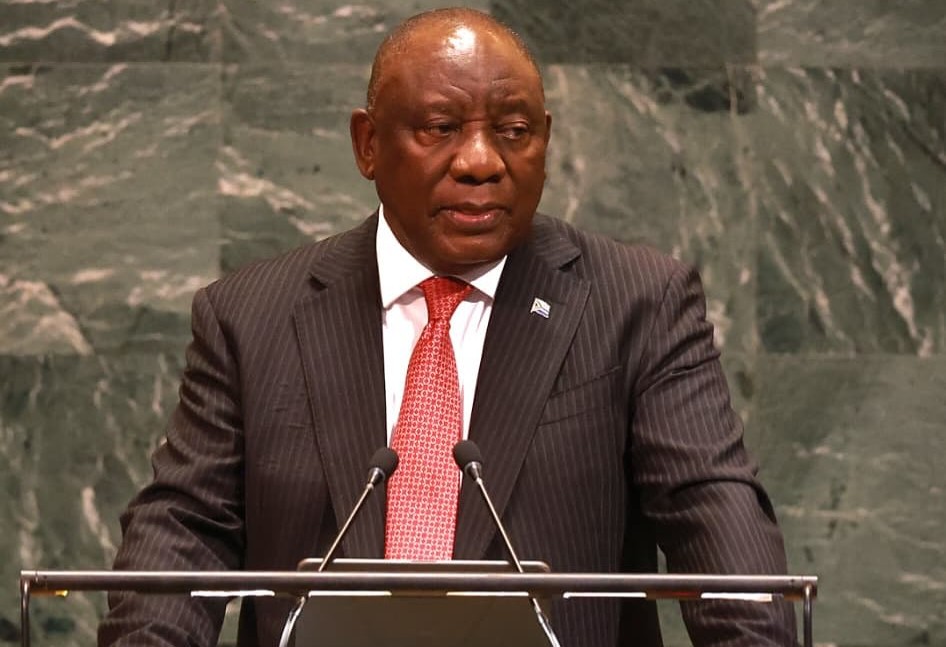
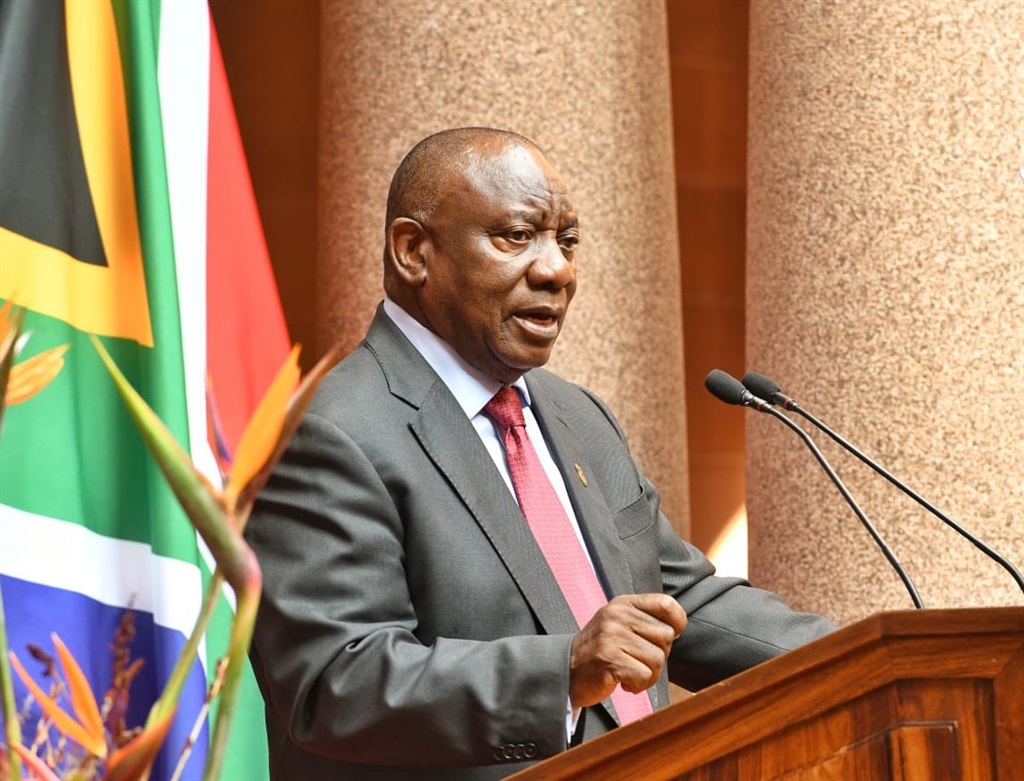
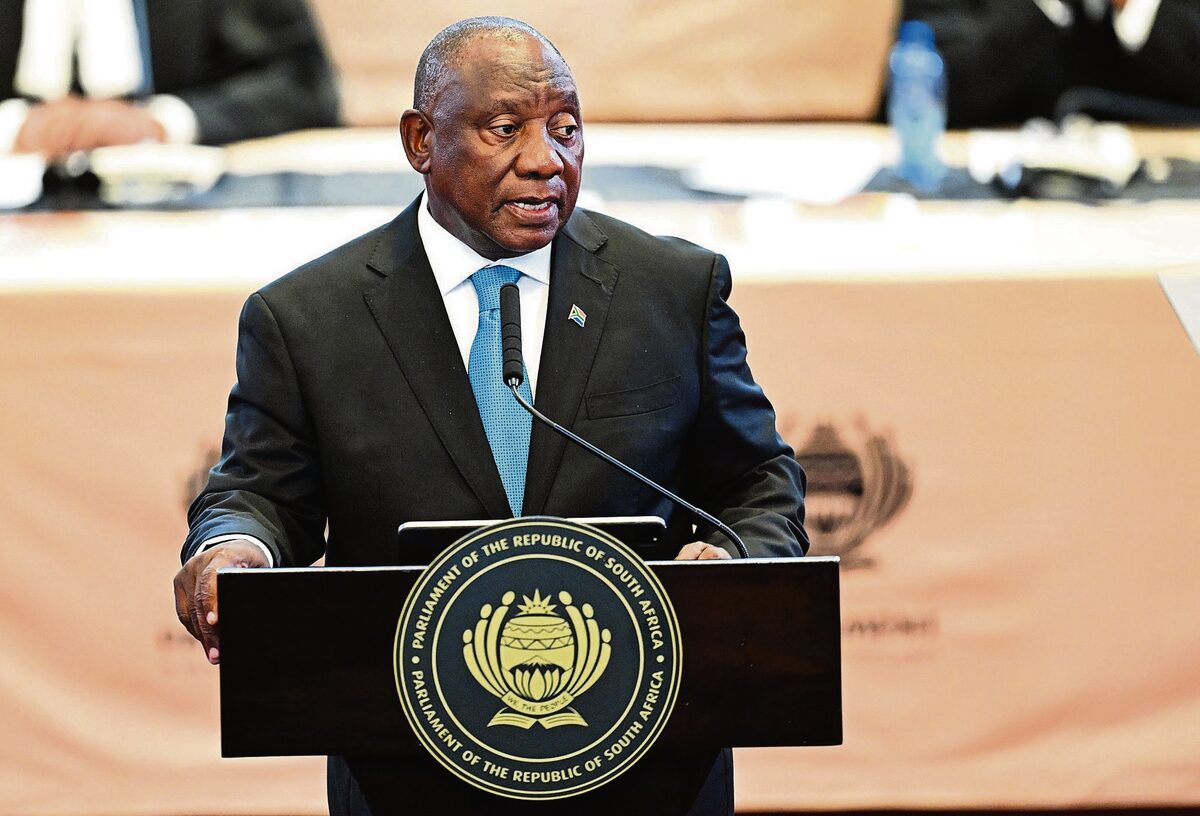
President Cyril Ramaphosa made the assertion as he opened the sixth annual South Africa Investment Conference on Tuesday in Sandton, Johannesburg, where 1 000 delegates from at least 50 countries gathered to discuss investment opportunities.
“A key priority for Operation Vulindlela from the outset was the crucial building block of visa reform to attract skills and grow the tourism sector. We know that investors aren’t just deploying capital, you need to establish a physical presence without undue bureaucratic delays. This is particularly critical for multinational firms that require seamless movement across borders,” Ramaphosa said.
Energy sector transformation
The President highlighted the restructuring of power utility Eskom, the establishment of a National Transmission Company as an independent grid operator, and the creation of a transparent framework for grid access.
“Through the Energy Action Plan, we have brought an end to load shedding and ensured a reliable supply of electricity. This is essential to allow businesses to operate and make decisions to invest,” he said.
The electricity reforms have unlocked 220 GW of renewable energy projects in development, with 36 GW already in the grid connection process. Further investments are expected in solar, wind and battery storage capacity over the next five years.
The government has confirmed R29 billion in renewable energy investment, which Ramaphosa described as “a vote of confidence in our rapidly transforming energy sector”.
“Decarbonisation will create new industries, new jobs, and new opportunities in green hydrogen, battery storage, electric vehicle manufacturing and in the manufacture of components and infrastructure that a decarbonising world urgently needs,” he said.
Rail and port reforms
The National Rail Policy of 2022 and the National Freight Logistics Roadmap of 2023 are opening the sector to private investment. Last year, government signed a 25-year concession for the Durban Container Terminal Pier 2, representing R11 billion in private investment.
A framework for third-party access to the freight rail network is now operational, with 41 freight rail slots allocated to private train operating companies. The first private operator is expected to commence operations in April 2027.
“By ending inefficient monopolies and introducing competition, we will reduce the cost of electricity and transport over time, enabling our manufacturing, mining, agriculture and other industries to thrive and compete,” Ramaphosa said.
Water infrastructure expansion
The government is establishing professionally run water utilities in all eight metros, with water revenues ring-fenced and invested back into maintaining and expanding infrastructure.
A regulatory framework is being established to ensure water service providers perform effectively.
Major projects include dam construction, distribution infrastructure upgrades, bulk water expansion and desalination. Phase 2 of the Lesotho Highlands Water Project is targeted for completion between 2028 and 2030.
The newly formed National Water Resources Infrastructure Agency will oversee these projects. A dedicated Water Partnerships Office has been set up to facilitate private sector participation, with more than R50 billion in projects already in development.
ALSO READ: Rand strengthens as South Africa’s economy recovers: Ramaphosa delivers 2026 SONA
Infrastructure spending
The state has committed to investing R1 trillion over the medium term for public infrastructure. Of this allocation, R577,4 billion will be spent by state-owned companies and other public entities, R217,8 billion by provinces, and R205,7 billion by municipalities.
“We are embarking on the largest and most ambitious cycle of infrastructure investment in our country’s history. Infrastructure is the flywheel that propels growth. It boosts productivity and trade and reduces the cost of doing business,” the President said.
Last year, the Infrastructure Fund approved blended finance projects with a combined value of approximately R38 billion in water and sanitation, student accommodation, health, energy and transport.
ALSO READ: Government’s R155bn property plan could transform public asset management
Economic transformation
Ramaphosa said the government remains committed to fiscal discipline whilst ensuring economic growth benefits all South Africans.
“The transformation of our economy is necessary to drive sustained growth, reduce inequality and correct the injustices of the past. We are undertaking a review to refine, realign and strengthen our B-BBEE framework to ensure that it supports transformation while at the same time enabling investment and growth,” he said.
The Equity Equivalent Investment Programme allows multinationals whose global policies prevent them from complying with B-BBEE ownership requirements to invest in socio-economic, skills and enterprise development without selling equity in local subsidiaries.
Since its inception, the programme has onboarded leading multinational firms who have directed investment into local development, incubated black, youth and women-owned businesses, and funded skills development.
ALSO READ: Ramaphosa calls job creation government’s ‘foremost priority’