

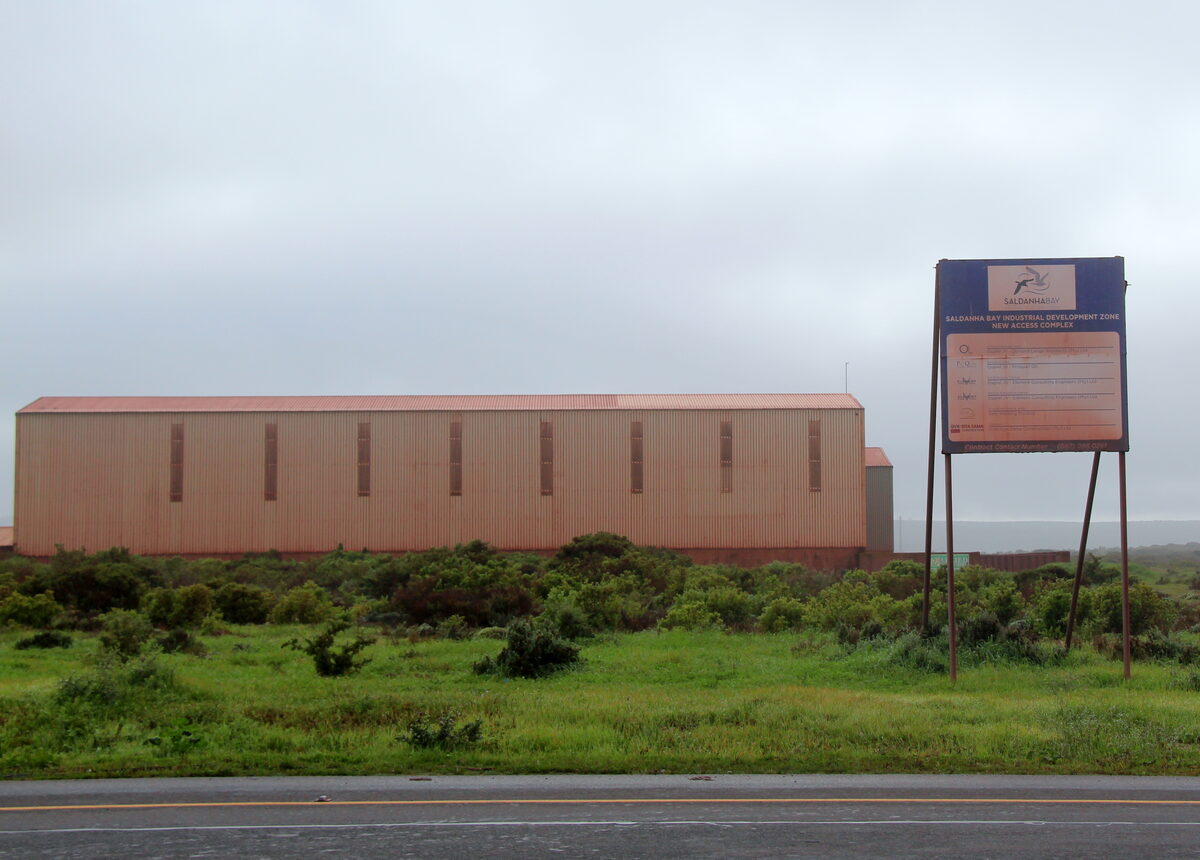
SALDANHA – In a sudden reversal, the West Coast District Municipality (WCDM) has withdrawn its rejection of Transnet’s emission licence, handing the controversial matter to the government instead.
Just weeks after community activists celebrated what they called a “David vs Goliath” victory over dust pollution at Saldanha’s iron ore terminal, the WCDM has quietly withdrawn its decision to refuse Transnet’s atmospheric emission licence renewal.
The municipality now says the matter should never have been on its desk in the first place, and that the national Department of Forestry, Fisheries and the Environment (DFFE) is the proper authority to decide whether Transnet’s licence is renewed.
Municipal spokesperson Heinrich Robertson confirmed that the original refusal decision, issued on 15 June 2026, was formally withdrawn at the end of June after discussions with DFFE regarding who should actually handle the licensing process.
So what just happened?
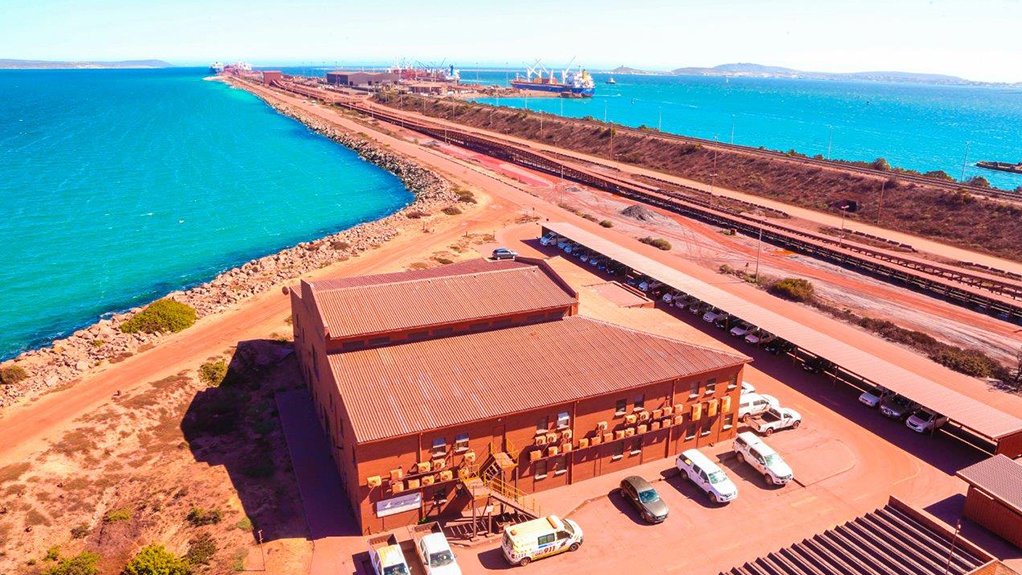
When the municipality announced in June that it was refusing Transnet’s application to renew its Atmospheric Emission Licence (AEL), it was the first time in five years the licence had come up for renewal.
The Red Dust Action Group (RDAG) and other community organisations were ecstatic, declaring that years of complaints about dust pollution had finally been heard.
RDAG’s statement at the time was triumphant: “The public have spoken. Your voice has been heard.”
But that decision has now been completely withdrawn. Not because it was wrong, the municipality insists, but because of an administrative reshuffle over who should be making these calls.
“The refusal decision issued by WCDM on 15 June 2026 was not made in error,” Robertson said. “It formed part of the outcome of the AEL renewal application process conducted by WCDM in its capacity as the competent licensing authority at the time.”
Translation: the municipality made the call it thought was right, but has now agreed to step aside and let national government take over.
Who’s in charge here?
The switch raises an obvious question: if the municipality wasn’t the right authority, how did it end up processing the application and issuing a refusal in the first place?
Robertson was diplomatic, saying only that the transfer followed “a series of engagements between WCDM and DFFE” and was “an independent administrative decision” not influenced by outside pressure.
The municipality was at pains to stress that the handover wasn’t the result of lobbying by Transnet, community groups, or anyone else. It was just a bureaucratic realignment over which level of government should be calling the shots.
Where does this leave things?
Transnet is now proceeding with its licence renewal application through DFFE, and the existing licence remains valid until 2 September 2026.
Operations at the terminal continue as normal.
Robertson confirmed that while the municipality is out of the licensing business on this one, it will still “work cooperatively with DFFE on matters relating to air quality management and environmental health within the Port of Saldanha.”
In other words: WCDM will still have a say, but won’t make the final decision.
What about the community?
For residents who’ve been complaining about dust from the iron ore terminal for decades, this is likely to feel like a setback.
The June refusal was seen as proof that local concerns mattered and that persistence pays off. The RDAG had framed it as an opportunity for Transnet to modernise operations, implement world-class dust mitigation, and “demonstrate that the Port of Saldanha can be both a globally competitive export facility and a responsible neighbour.”
Now that the matter has been bumped up to national level, the remaining question is whether DFFE will give community input any weight or see things through a different lens?
RDAG and other community stakeholders have not yet commented on the latest twist.
The ball is now firmly in DFFE’s court.

You must be logged in to post a comment.