Food Security in South Africa is under pressure, but new aquaculture projects such as the Food Security Research Institute (FSRI) in the suburbs of Vredenburg are bringing hope.
According to JP von Hage, CEO of FSRI, this non-profit was founded in April 2024 to protect seafood security, on shaky ground, and create job opportunities.
“Regarding South Africa’s growing seafood-security crisis, the cost of hake, for instance, has been increasing by nearly 10% year on year since 2012 with a further 5–10% rise predicted for 2026. Once affordable, Cape hake now costs almost double per kilogram compared to dressed chicken in supermarkets.” he said.
“Anchovy and pilchard fisheries are also close to collapse, which means less affordable protein and a weakening of vital food sources.
“Fishing communities are already struggling with restricted quotas and shifting ocean conditions, which endanger livelihoods, biodiversity, and jobs,” Von Hage believes.
More than half the world’s seafood now comes from fish farms – about 11.81 kg per person every year. South Africa, however, produces only 0,182 kg per person, 6 390% less than the global average. This makes the country highly dependent on imports, especially with predictions that global fisheries could collapse by 2050.
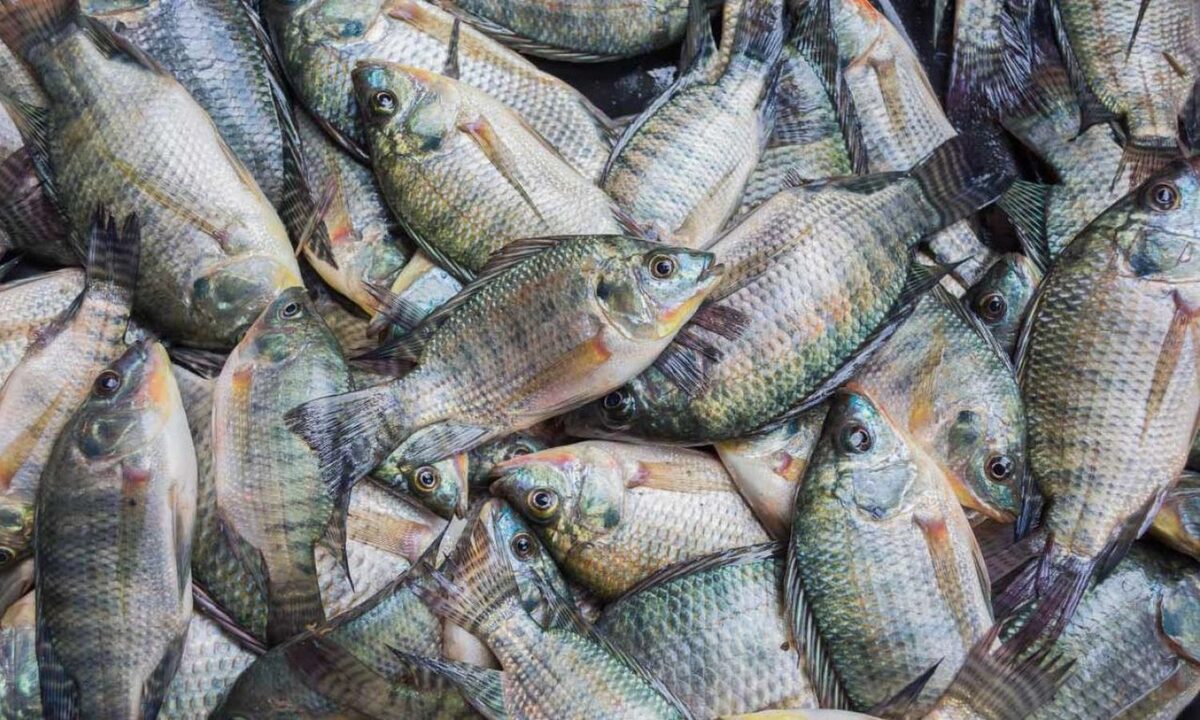
Groups such as FSRI have recognised the crisis and stepped in and is using innovative approaches; vegetarian fish like tilapia offer a sustainable alternative to wild-caught species while providing affordable protein. According to Von Hage, farmed tilapia can compete with broiler chicken, making it accessible for households. This Integrated Agriculture-Aquaculture System (IAAS) uses source water first for fish, then for fertigation of plant crops. The system raises tilapia and mullet while shifting from chemical-based farming to more natural methods, also known as regenerative agriculture.Another flagship project, farming marine tilapia (IMTA), provides an alternative to Cape hake, while southern mullet replaces mackerel and pilchards in closed-loop saline systems.
These systems use sea lettuce and salicornia to recover nutrients, ensuring zero effluent discharge.This programme strenthenes seafood security as fewer fish are available in the ocean and more can be farmed inland.
It promotes sustainable agriculture through methods that improve soil health, reduce chemical-fertiliser use and store carbon in the soil to help fight climate change.
The programme also improves waste management by reusing fish farm waste to feed crops and keep water clean. Using source water creates a circular system where fish farming supports the growth of crops.
An experimental 12 m³ round Biofloc tank at FSRI Vredenburg was operated from 30 September to 30 April 2023.
Mozambique tilapia grown in seawater performed better than those in freshwater. Fish stocked at 4,5 g grew 81,7% faster. The trial produced tilapia with better flavour and higher market appeal, as local consumers prefer marine fish.
“The FSRI Aquaculture Initiative is South Africa’s only plan B for when affordable fish become unavailable to price-sensitive consumers…” said Von Hage. “The FSRI has demonstrated successful tilapia culture.”