

Prison gangs and cocaine networks transform quiet coastal towns into battlegrounds
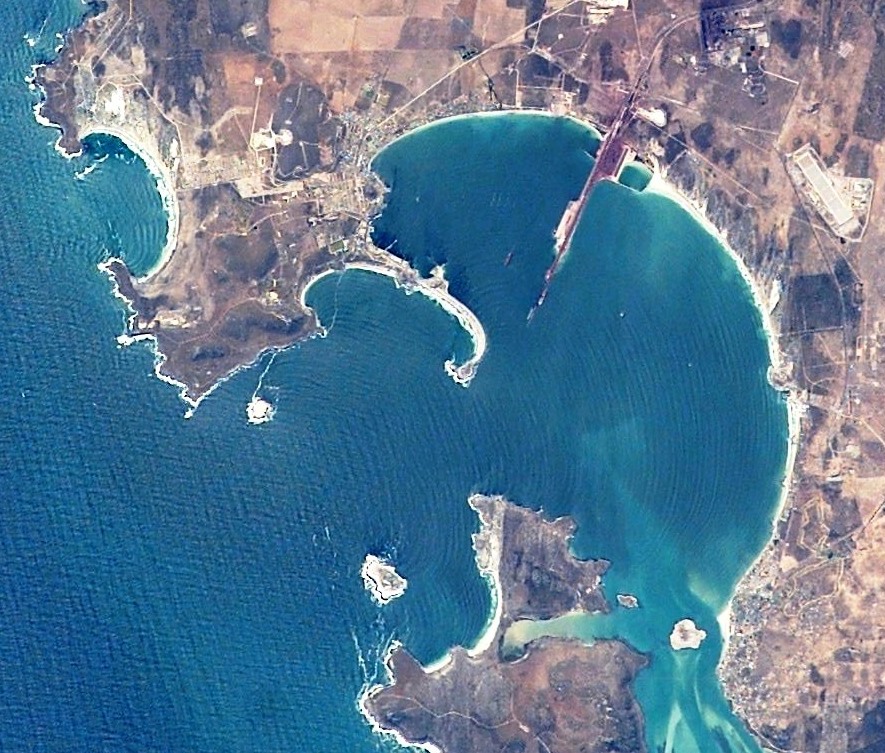
The towns of Saldanha and Vredenburg are in the grip of an escalating gang war that has transformed the West Coast, known as the Weskus, into one of the Western Cape’s newest organised crime hotspots.
A quarterly gang-monitoring report released last month, the Western Cape Gang Monitor Report, reveals that the region’s deep-water port, weakened security infrastructure, and strategic location have made it an attractive alternative entry point for international cocaine trafficking networks – with devastating consequences for local communities.
What began as opportunistic criminal activity has evolved into a full-scale territorial war involving prison-based Number gangs, local street gangs and transnational trafficking syndicates.
The catalyst was the May 2023 killing of Garth Williams, a high-profile 27s gang figure, which created a power vacuum that triggered a sustained spike in retaliatory violence.
Since then, Saldanha and surrounding towns have experienced gang-related murders and attempted murders occurring “every other weekend” during the height of the violence surge, according to local police.
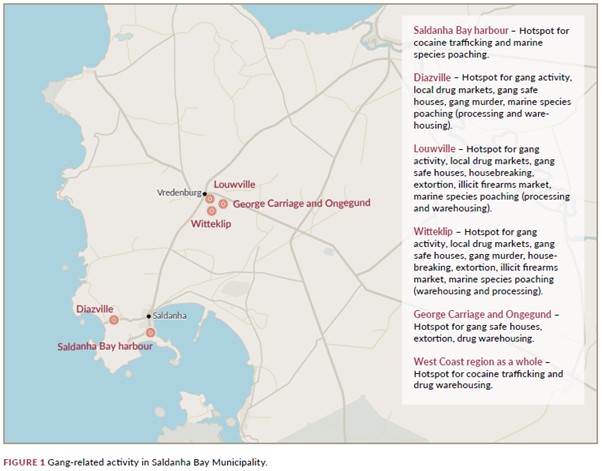
The streets of Diazville, the Middelpos informal settlement and White City in Saldanha; Louwville, Witteklip, George Kerridge, Ongegund and Hopland in Vredenburg; and Paternoster are now marked by safe houses, drug warehouses, and territorial disputes between competing criminal organisations.
These coastal tourism towns were once largely insulated from the gang warfare that has plagued Cape Town’s urban townships for decades. Between April 2025 and March 2026 alone, at least nine gang-related murders or attempted murders were documented across the region, with victims ranging from junior gang recruits to senior members of the notorious Number gangs.
Timeline of violence in the Weskus paints a grim picture
On 26 April 2025, a member of the 21s was targeted in an attempted murder in Witteklip, Vredenburg. He was a junior recruitment gang affiliated with the 28s.
Less than two months later, on 14 June, a 26s member was killed by an alleged 27s affiliate in Vredenburg, followed just three days later by the murder of Marco Oersen, an alleged 27s member, also in Witteklip. The violence intensified through November 2025, when May-Hilton Links (36), reportedly of the Kutsivales gang, was killed alongside another victim from Saldanha in Witteklip. Shannon Diedericks was arrested on suspicion of murder in connection with the killings.
On the same day, a 28s member narrowly survived an attempted murder nearby.
The new year brought no reprieve, and the violence took on a deeply personal dimension.
On 14 January 2026, Shermenn Williams (29), identified as a 27s member by the Report and nephew of the slain Garth Williams, was murdered in Louwville, Vredenburg.
Geraldo Snyders, allegedly affiliated with the 28s, was arrested on 21 January in connection with the killing. The family connection underscored the retaliatory and cyclical nature of gang violence in the region, as the nephew’s death appeared to be part of the ongoing power struggle triggered by his uncle’s assassination nearly three years earlier.
By early March 2026, the violence had spread further along the coast.
Sebastian Engelbrecht and another victim were found fatally shot in Paternoster, while two more attempted murders were recorded in Hopland, Paternoster.
Among the victims was Bantu “General” Monjambolo, an alleged senior 26s member who was shot in the face by a member of the Troublemakers gang. According to the Report, these incidents are not random acts of violence but “coordinated strikes in a broader territorial and economic struggle over control of lucrative drug markets and trafficking routes”.
At the heart of this transformation is cocaine. According to the Report, cocaine now dominates local drug cases, comprising approximately 90% of drug-related arrests in the Saldanha Bay municipal area. The region’s deep natural harbour, the Port of Saldanha, and comparatively weak port security have made it an ideal secondary entry point for cocaine shipments from South America, often involving Balkan transnational contacts.
In 2021, authorities seized cocaine from a fishing vessel in Saldanha Bay with an estimated value of R583 million. It was one of the largest drug busts in the area’s history and a stark indication of the scale of trafficking operations.
Traffickers have developed sophisticated retrieval and distribution networks. The Report states that cocaine consignments are dropped offshore in watertight packaging or toss-bags from container vessels travelling between South America and Asia.
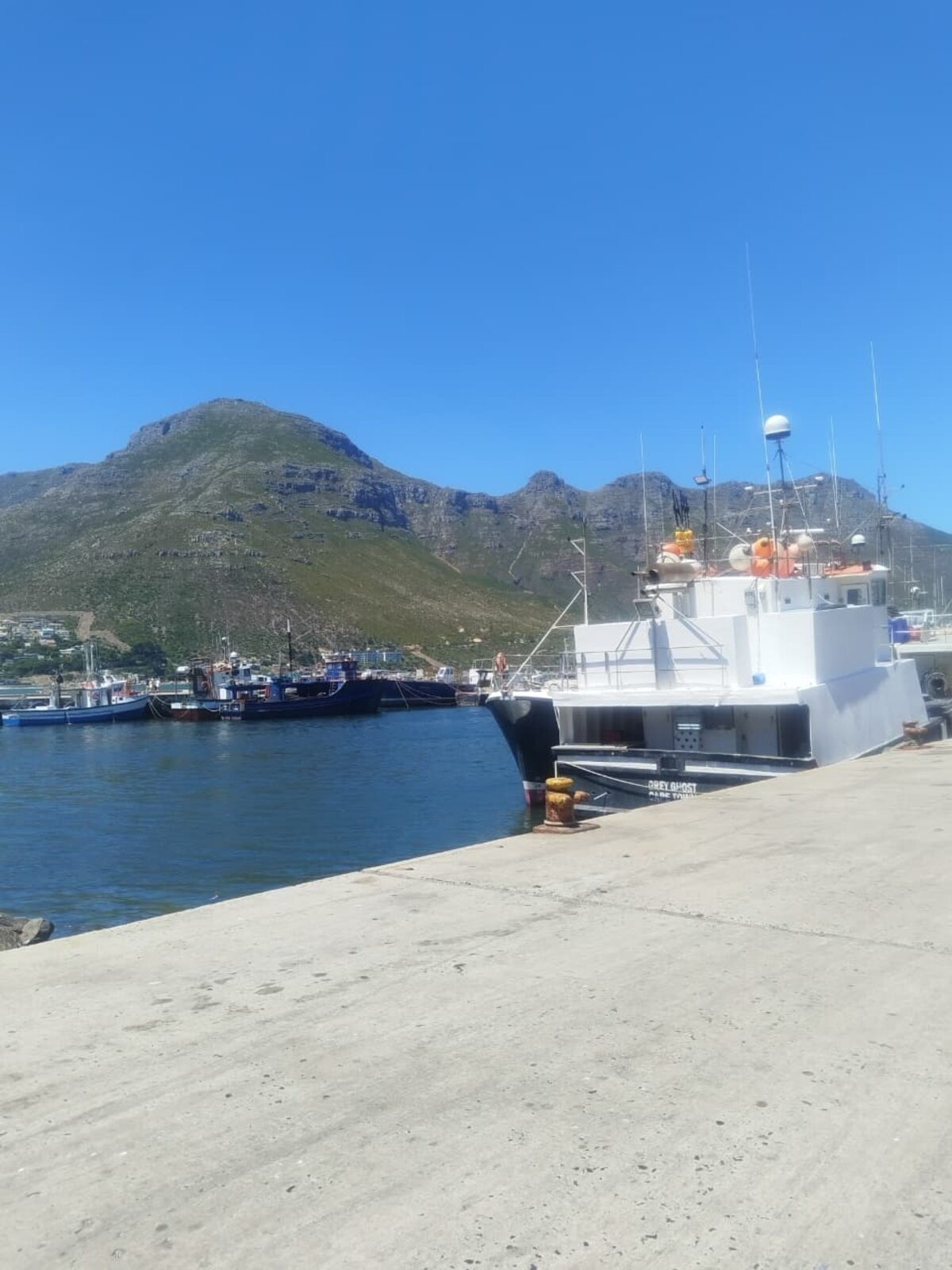
The Report indicates that local skippers retrieve packages from international waters and bring them ashore, while other packages sometimes wash ashore and are collected. Once ashore, the drugs are stored in stash houses scattered across Diazville, Louwville and other Weskus neighbourhoods. These safe houses also serve as warehouses for other illicit goods, including firearms, stolen property, and large quantities of illegally harvested marine species (another criminal enterprise that has taken root in the area).
According to the Report, the criminal actors operating in the region represent a dangerous hybrid of local and regional organised crime.
Organised criminal enterprises
In the Report it is stated that the Number gangs (the 26s, 27s, and 28s), which were historically prison-based organisations, have expanded their influence across the Weskus and now play a dominant role in the cocaine economy. These groups coordinate targeted assassinations and supply-chain control from behind bars, extending their reach far beyond prison walls.
On the street level, local gangs such as the Kutsivales in Diazville and Dark City in Hopland control neighbourhood markets, safe houses, and distribution networks. Other groups active in the area include the Troublemakers and the 21s, a junior recruitment gang that funnels young members into the 28s.
The Report also documents the presence of Cape Flats-based gangs that have expanded into the Weskus, including the Junky Funky Kids (JFKs), Fancy Boys, Americans, Hard Livings, Ghetto Kids, Laughing Boys, Mongrels, Nice Time Kids, Dollar Kids, Wonder Kids, Jester Kids, Clever Kids, and Inglourious Basterds (IGBs). Historical gang presence includes The Firm, which once operated in the region.
The violence is characterised by two tiers: local turf disputes over retail drug markets and more coordinated, often prison-directed assassinations aimed at controlling supply chains and eliminating rivals.
The Report states that this hybrid dynamic – where street and prison gangs operate and clash in the same spaces – has produced a particularly volatile environment. The resulting violence has not remained confined to Saldanha itself but has spilt over into neighbouring towns, turning once-peaceful communities into contested territories.
The geographic spillover is one of the most alarming aspects of the Weskus crime surge.
Criminal activity routinely extends from Saldanha into Vredenburg, Paternoster, Louwville, Witteklip, George Kerridge, Ongegund, and surrounding areas, creating multiple hotspots for housebreaking, extortion, drug warehousing, and gang murders. The region’s fragmented local governance and limited inter-district policing coordination have made it difficult to mount an effective response.
The Report identifies several structural vulnerabilities that have enabled this rapid criminal expansion:
- Saldanha Bay’s status as a secondary port means it attracts less scrutiny and fewer security resources than major ports like Cape Town or Durban.
- Policing resources are stretched thin across the Weskus ‘s scattered towns and informal settlements, and intelligence-sharing between jurisdictions remains inadequate.
- The government announced plans in May 2025 for a Freeport Saldanha commercial terminal expansion, which could deepen these vulnerabilities unless paired with significant investments in intelligence-led policing, maritime surveillance, and rapid investigative capacity.
Adding to the complexity is the role of “klipgooiery” (stone-throwing incidents among children and youth), which the Report identifies as both a recruitment pathway and an early warning sign for gang violence. In many Weskus neighbourhoods, what begins as stone-throwing between rival groups of children quickly escalates into armed retaliation and lethal shootings. “This pattern mirrors dynamics seen in Cape Flats townships, where gangs recruit members from a young age and socialise them into cycles of violence and criminal enterprise.”
The prison-street linkages that characterise gang operations in Saldanha and Vredenburg are part of a broader pattern of gang fragmentation and instability documented across the Western Cape. The Report highlights accelerated “floor-crossing” (the defection of gang members from one group to another) as a major driver of retaliation and violence. According to the Report, recent defections among groups including the Americans, Hard Livings, Laughing Boys, and Mongrels have provoked killings and destabilised alliances.
Internal leadership struggles are another flashpoint. High-profile power contests within gangs such as the Junky Funky Kids, Laughing Boys, and Ghetto Kids have produced factional wars, mass shootings, and nearly 100 gang-related murders in some precincts. As these Cape Flats-based groups extend their influence into the Weskus, they bring with them the violent dynamics of succession disputes and territorial expansion.
Authorities have responded with a mix of traditional policing, military deployments, and consideration of extraordinary legal measures. On 4 March 2026, the South African National Defence Force (SANDF) was authorised to deploy in certain areas of the Western Cape, with operations scheduled to run through to 31 March 2027.
The military’s role is limited to patrols, roadblocks, and arrests; soldiers do not have investigative powers. The report warns that military deployments produce only short-term suppression and do not address the underlying criminal economies that fuel gang activity.
To bolster investigative capacity, authorities have taken the unusual step of re-enlisting 62 retired detectives to the South African Police Service (SAPS) in the Western Cape. According to a source, only three of these detectives were assigned to the West Coast Police District, which covers a vast area stretching from Malmesbury to Vredendal and Saldanha.
This re-enlistment acknowledges the chronic shortage of experienced investigators needed to build prosecutable cases against gang leadership and dismantle criminal networks. Without sustained investigative work, arrests made during military operations rarely translate into convictions that weaken gang structures.
Provincial and national authorities have also debated the use of extraordinary legal instruments, including declarations of a provincial or national state of disaster or even a state of emergency. The Report cautions that such measures must meet strict tests of necessity, proportionality, and judicial oversight to prevent misuse and violations of rights. “Without addressing root causes like poverty, unemployment, lack of youth opportunities, and weak governance, extraordinary powers risk becoming tools of repression rather than solutions.”
The Report’s authors argue for a fundamentally different approach to the Weskus crime surge. They call for the region to be recognised as an emerging strategic node for transnational trafficking and organised crime, requiring sustained attention and resources rather than episodic interventions. “Secondary ports and adjacent towns must be treated as routine components of threat assessments and maritime-crime strategies, not afterthoughts to urban policing priorities.”
Effective response, according to the Report, requires pairing maritime and terminal surveillance with intelligence-led local policing, rapid follow-up investigations, and targeted operations against senior gang leadership. “Disrupting supply chains for cocaine, firearms, and marine-poaching logistics should take priority over visible but superficial interventions. This demands stronger intelligence capacity, better investigative resources, and consistent information-sharing across law-enforcement agencies and jurisdictions.”
Equally important is investment in prevention. Hotspot policing and rapid investigations must be combined with sustained community-level programs focused on youth, education, and economic opportunity. “Breaking the recruitment pathways that feed young people into gangs, whether through stone-throwing culture, peer pressure, or lack of alternatives, is essential to long-term stability.”The Report recommends more consistent recording and monitoring of “klipgooiery” incidents as an early-warning system for escalating violence.
The transformation of Saldanha and Vredenburg from quiet coastal towns to contested gang territories reflects broader patterns in South Africa’s evolving organised crime landscape. “As major urban centres and primary ports face increased enforcement pressure, criminal networks adapt by exploiting secondary locations with weaker security infrastructure and less institutional capacity.”
The Report states that the Weskus’s natural advantages, like its deep-water harbour, proximity to international shipping lanes, and access to inland routes, have made it a logical choice for traffickers seeking alternative entry points.
But the human cost of this strategic calculation is borne by local communities. Residents of Diazville, Louwville, Witteklip, Hopland, Paternoster, George Kerridge, and Ongegund now live with the daily threat of gang violence, the presence of drug safe houses, and the erosion of social cohesion that accompanies organised crime.
Children witness shootings, families lose breadwinners to murder or incarceration, and neighbourhoods become divided by invisible borders of gang territory. Communities live in fear, with many residents reluctant to report crimes or testify against gang members for fear of retaliation.
The killing of Garth Williams in May 2023 set in motion a chain of events that continues to reverberate across the Weskus. His nephew’s murder, nearly three years later, along with the deaths of Marco Oersen, May Hilton Links, Sebastian Engelbrecht, and numerous others, demonstrates how personal vendettas and power struggles become intertwined with the economics of drug trafficking.
“The arrest of suspects like Shannon Diedericks and Geraldo Snyders shows that authorities are making arrests, but continued violence suggests that disrupting the cycle requires more than removing individual perpetrators.”
The Report concludes with a sobering assessment that without sustained, intelligence-driven intervention and long-term investment in community resilience, the Weskus will likely experience further escalation.
The power vacuum created by Garth Williams’ death has yet to stabilise, and the ongoing fragmentation of gang structures, driven by floor-crossing and leadership disputes, creates new opportunities for violence.
Moreover, the economic incentives driving gang activity in the region remain robust. “As long as cocaine trafficking through secondary ports remains profitable and detection risks remain low, criminal networks will continue to exploit Saldanha Bay’s vulnerabilities. The May 2025 announcement of port expansion plans could either exacerbate these risks or, if accompanied by adequate security investment, create opportunities to disrupt trafficking operations before they become further entrenched.”
For residents of Saldanha, Vredenburg, and surrounding towns, the message from the March 2026 Gang Monitor is clear: their communities are on the frontlines of a criminal economy that spans continents and generates hundreds of millions of rands in illicit revenue.
The question now is whether authorities, armed with the SANDF deployment authorised through March 2027, the 62 re-enlisted detectives, and intelligence about gang structures and trafficking methods, will muster the political will, resources, and sustained commitment necessary to protect the Weskus from becoming another permanent battleground in South Africa’s long war against organised crime.
- The March 2026 gang monitor by the Global Initiative Against Transnational Organised Crime is based on field research conducted between September 2025 and March 2026.
- Researchers interviewed gang members, police, South African National Defence Force personnel, prosecutors, community activists, and Transnet staff, using in-person meetings, phone calls, and WhatsApp. They also worked within affected communities to track incidents and map gang territories and violence hotspots.
- Findings were cross-checked with court records, media reports, and official data. While the quarterly reports help track changes over time, limitations include gaps between monitoring periods, difficulty verifying gang links, and fear-driven reluctance from local communities to share information.




You must be logged in to post a comment.