South Africa’s Kruger National Park will celebrate 100 years of conservation excellence on 31 May, marking a century since the country’s first national park was established in 1926.
The park, which stretches across 19 623 square kilometres in Limpopo and Mpumalanga provinces, has become a cornerstone of African wildlife conservation and a major economic contributor to South Africa.
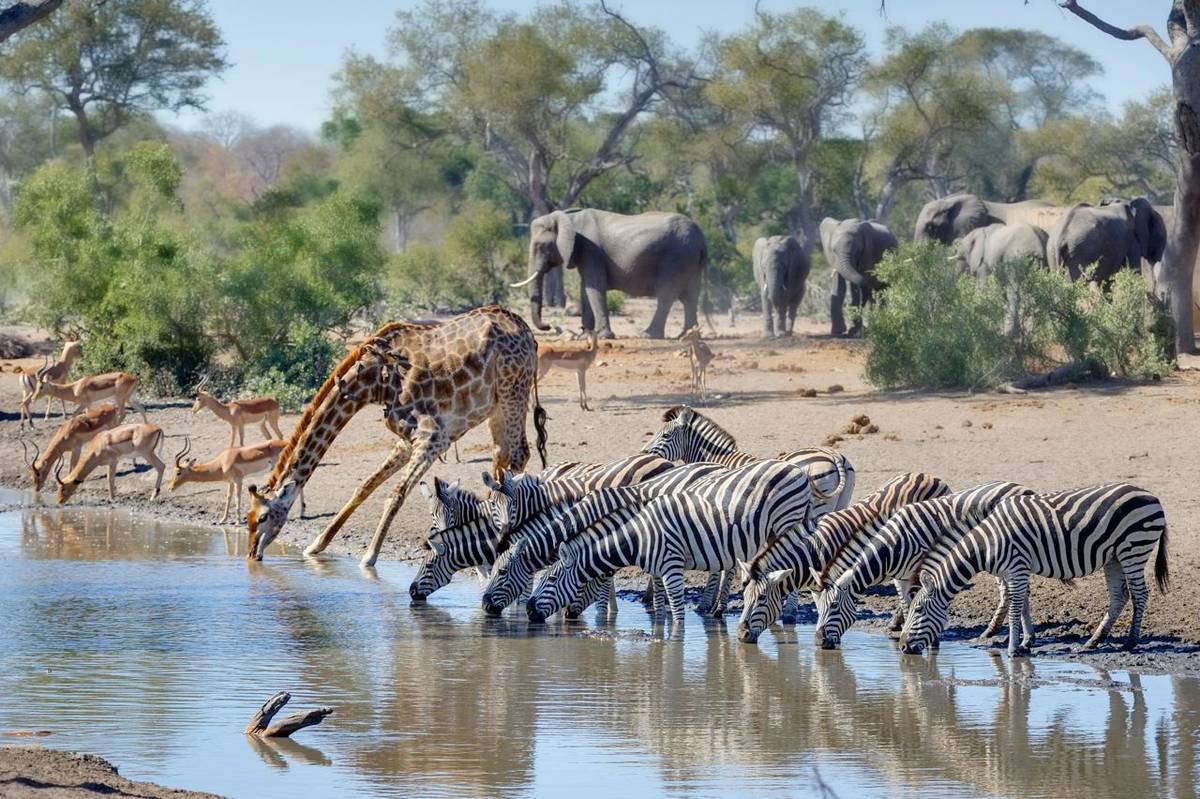
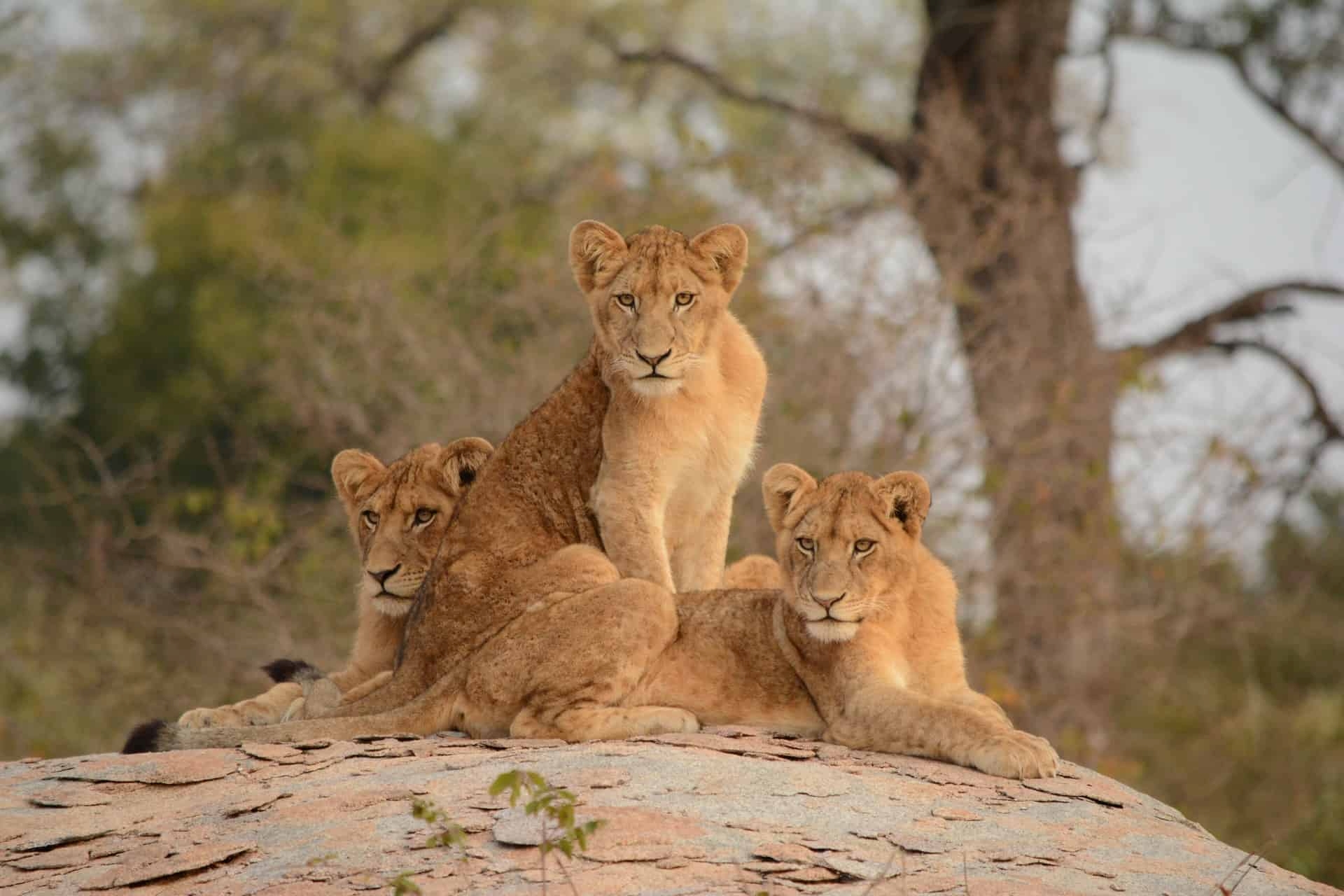
Spanning 360 kilometres from north to south and 65 kilometres from east to west, the Kruger National Park is home to 147 mammal species, including the iconic Big Five – lion, leopard, elephant, rhinoceros and buffalo. The park also boasts more than 500 bird species and a variety of reptiles, amphibians and plants.
The park’s origins date back to 1898 when President Paul Kruger, recognising the alarming decline in game populations due to hunting, advocated for the establishment of the Sabie Game Reserve. The reserve was proclaimed by the South African Republic the same year, covering approximately 10 364 square kilometres.
WATCH:
Following the South African War, James Stevenson-Hamilton was appointed warden in 1902 and began the work of establishing effective game management. Nearly 25 years later, in 1926, the reserve was transformed into a national park and named in honour of Paul Kruger.
ASLO READ: Skukuza Airport named world’s most beautiful as safari begins in the sky
Today the park attracts nearly two million visitors annually, with South African residents accounting for about 80% of visits. There has been steady growth in travellers from neighbouring Southern African Development Community countries, who mostly come as day visitors.
The park generates more than R800 million in tourism revenue and supports extensive local employment, making it a major economic driver in the region. It is also an integral part of the Great Limpopo Transfrontier Park, which encompasses wildlife areas in Mozambique and Zimbabwe.
ALSO READ: Mass vulture rescue in Kruger National Park: 84 saved from poisoning
However, the centenary comes as the park faces mounting challenges. Climate change is shifting rainfall patterns and drying waterholes, putting pressure on wildlife populations. The park also continues to grapple with anti-poaching operations whilst communities adjacent to the park seek greater economic inclusion and cultural recognition.
Niko Allie, deputy director at the Government Communication and Information System, said the centenary celebration is an opportunity to connect staff, surrounding communities and visitors in honouring the park’s history whilst looking forward to the next century of biodiversity conservation.
“The Kruger is a living monument of the fragile balance between humans and nature,” Allie said. “It is a profound reminder that even in an ever-changing world, there is room for nature and humans to both co-exist and thrive.”
ALSO READ: WATCH | Kruger National Park faces hundreds of millions in flood damage as recovery fund launched