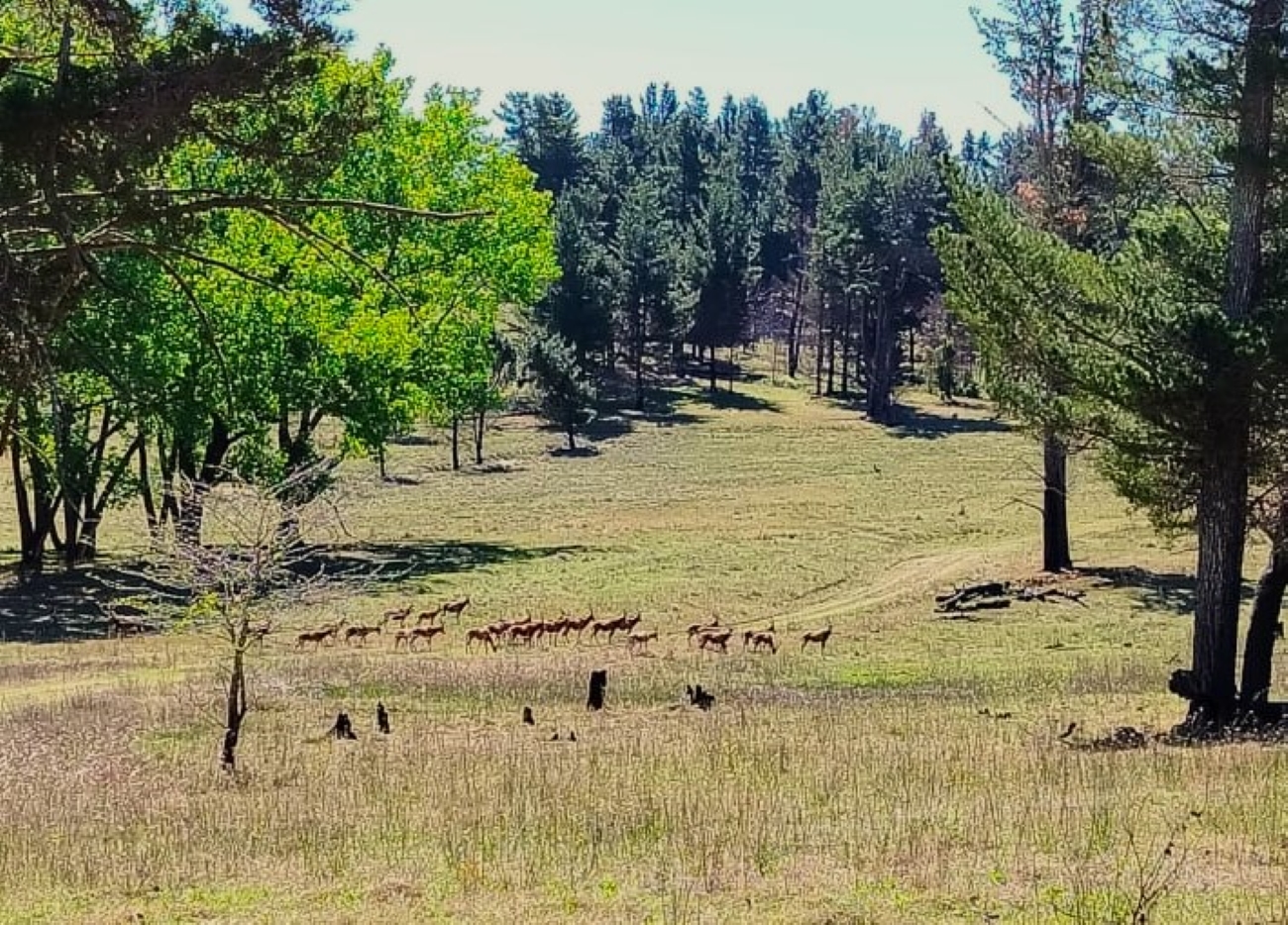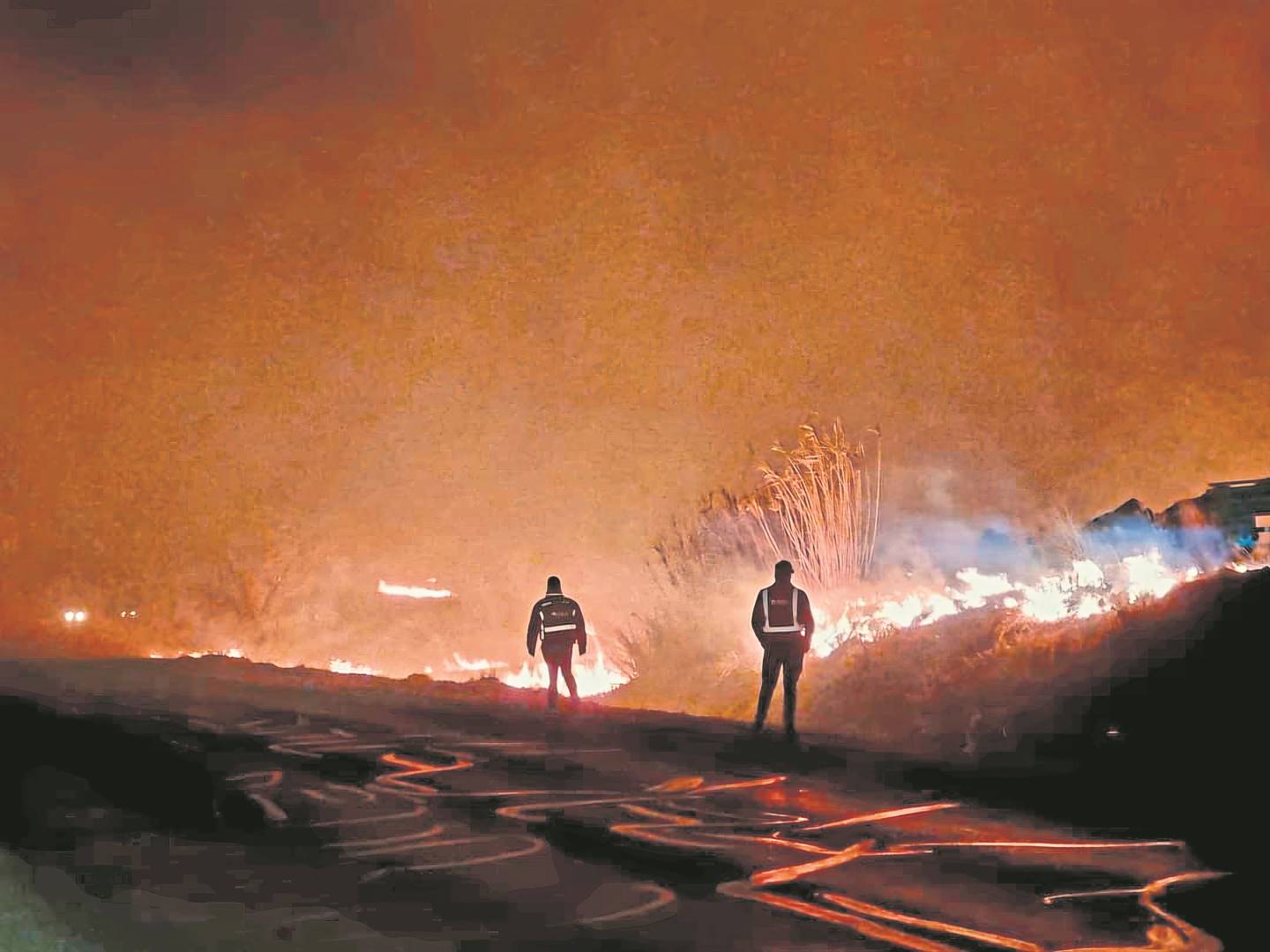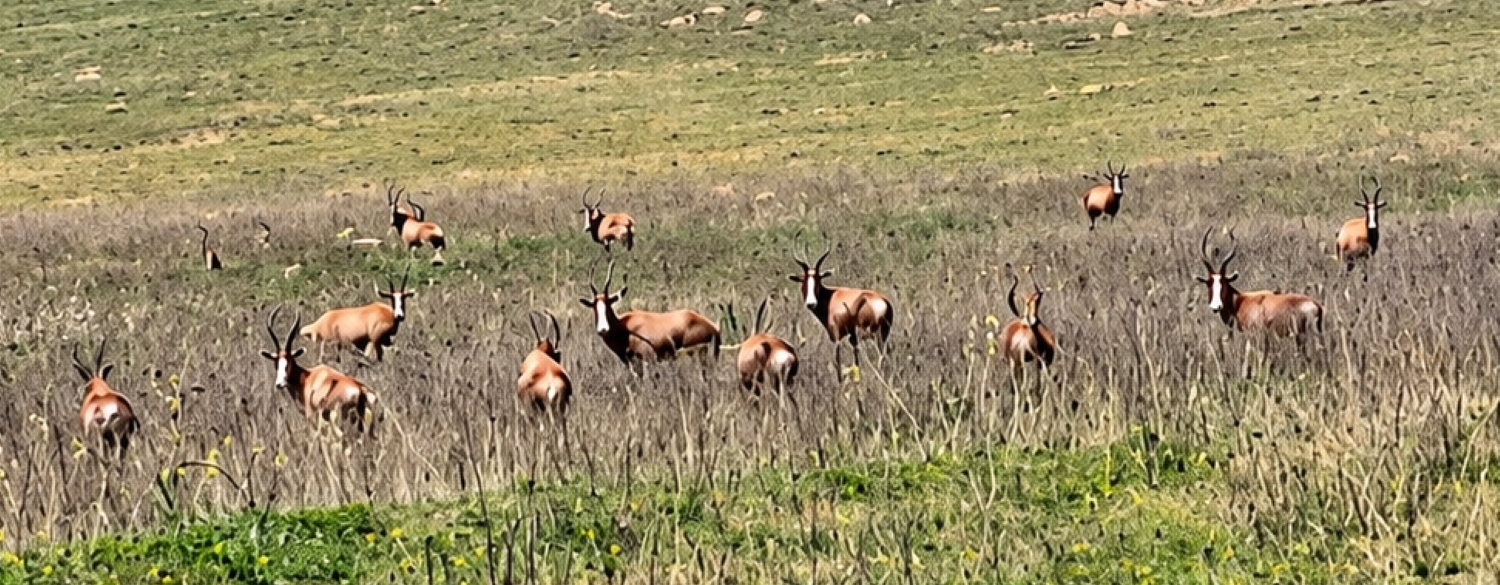
Wolhuterskop Nature Reserve near Bethlehem is carrying more than three times its recommended game capacity, but the removal of excess animals has not been completed more than two years after an official count identified the problem.
A June 2024 assessment recorded 2 789 head of game, equivalent to 755.2 Animal Units, against a recommended carrying capacity of 210.5 Animal Units. The report warned that the veld was under severe pressure, food resources were being depleted and some animals were in poor condition.
The Democratic Alliance (DA) in Dihlabeng has called for urgent intervention from the municipality to address what it described as a failure to manage the reserve sustainably.
The report identified the blesbok population as a particular concern, recording 2 147 blesbok against a recommended population of 200. It recommended that at least 1 200 blesbok and 40 eland be removed to prevent further pressure on the reserve’s vegetation and resources.
The 2024 game count remains the latest known assessment of the reserve’s game population.
DA councillor Estie Senekal requested updated game numbers and information on the removal process from Dihlabeng on 9 June 2026. After receiving no adequate response, she wrote to the municipality’s director of community services again on 12 August, requesting answers within seven days. She said no substantive response has been received.
The municipality advertised a culling tender on 31 October 2025, with the bid process reportedly still being finalised. The municipality could not confirm when culling would begin.
This has left unanswered questions about how many animals remain in the reserve, whether the game population has increased since the 2024 count and what condition the veld is currently in.
According to comments attributed to the municipality in media reports, Dihlabeng missed the 2025 culling season and has now also missed the normal May-to-August 2026 hunting season.
Senekal said oversight visits were conducted at Wolhuterskop last year and again this year, but the recommended game removal had still not taken place.
Although the preferred period for daytime culling has largely passed, conservation professionals could urgently assess whether professionally managed night culling remains a viable option. Any animals removed would need to be handled appropriately, with carcasses immediately placed in suitable cold storage.
The 2024 assessment also raised concerns about possible poaching and identified improved security, fencing and regular patrols as priorities.
Senekal has referred the matter to Roy Jankielsohn in the Free State Legislature, who is pursuing the issue at provincial level.