

Farmers across the Free State have been urged to take extra precautions to protect livestock, crops and farm infrastructure as snowfall and freezing temperatures continue to affect parts of the province.
The Free State Department of Agriculture, Rural Development and Environmental Affairs issued an advisory on Tuesday following reports of snow in large parts of the province, including areas where snowfall is rarely experienced.
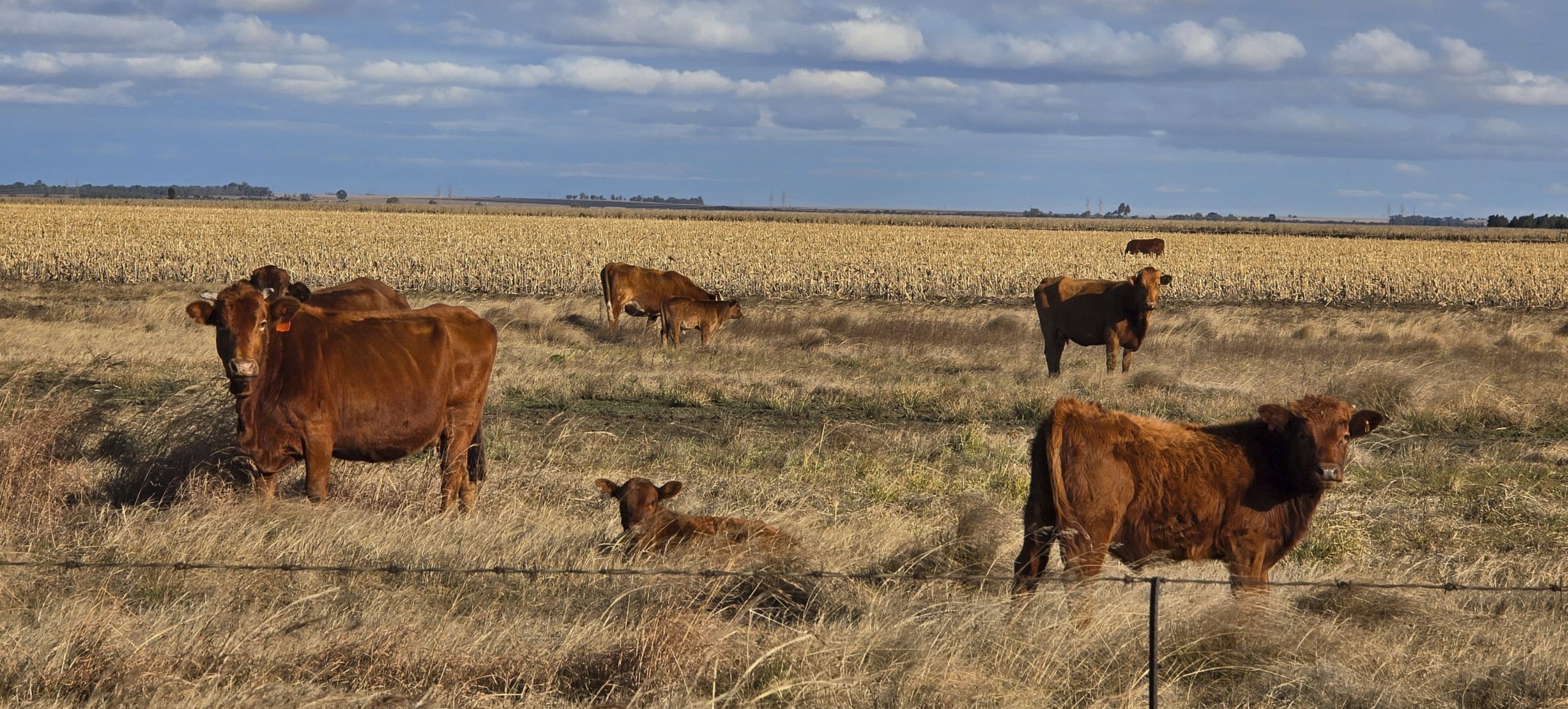
The department said the immediate agricultural concern is the effect of the severe weather on livestock, particularly cattle, sheep and goats.
There have been no widespread reports of major livestock losses or damage at this stage. However, farmers have been warned that several days of extreme cold could put additional pressure on animals, especially where feed and shelter are limited.
Farmers are being encouraged to move livestock into sheltered areas, barns or other protected locations where possible. Dry bedding should be provided to help keep animals away from cold and damp conditions.
Young, sick, weak and vulnerable animals should receive particular attention and be monitored for signs of cold stress, weakness or illness.
Feed supplies should also be checked, with farmers advised to increase rations where necessary to help animals maintain their body temperature.
The department urged farmers to keep adequate reserves of hay and other suitable fodder in dry, protected areas to prevent spoilage and contamination.
Frozen water supplies are another potential problem. Farmers should regularly inspect water troughs and other sources to ensure livestock have access to clean drinking water and take measures to prevent water from freezing.
The cold weather is not expected to have a major impact on summer crops because the province is currently in its off-season. Planting is expected to start from about mid-October.
The department said the additional moisture from the snowfall could benefit soil moisture levels ahead of the next planting season.
Farmers with winter crops and other cold-sensitive plants have been advised to protect them against frost and freezing temperatures, including through the use of frost cloth or suitable coverings.
Unnecessary irrigation during freezing conditions should be avoided, as it could increase the risk of frost-related damage.
The snowfall also poses a risk to farm buildings and other infrastructure. Farmers have been advised to inspect roofs, barns, sheds, greenhouses and other structures for damage and to check whether they can withstand the weight of accumulated snow.
Where it is safe, excessive snow should be cleared from vulnerable structures. Farmers have also been warned to exercise caution around buildings that may have been weakened by snow, ice or strong winds.
Heating equipment should be used safely and kept away from flammable materials. Farmers using gas, coal or other fuel-burning heating systems should ensure that there is adequate ventilation to prevent the build-up of harmful gases.
Tractors and essential farm machinery should be kept operational and ready for use, while equipment exposed to snow, ice or freezing conditions should be inspected before use.
The department is also encouraging farmers to remain in contact with neighbouring farmers and local agricultural structures and to share information about weather conditions, livestock challenges and available resources.
Farmers facing serious problems are encouraged to report them to agricultural extension officers or departmental officials.
The department said it would continue monitoring the weather situation and provide further guidance if conditions deteriorate or additional risks emerge.
Farmers needing assistance can contact the Free State Disaster Management Centre on 051 405 4911 or Provincial Veterinary Services on 051 448 9872.

You must be logged in to post a comment.