

Vulnerable patients in Eastern Cape public psychiatric hospitals may be at serious risk of foodborne illness due to poor hygiene, unsafe food handling and a near-total absence of formal training among food service staff, a new study has found.
Research conducted by the University of the Western Cape (UWC) assessed food safety practices across four public psychiatric hospitals in the Eastern Cape. The findings, published in the South African Journal of Clinical Nutrition, paint a troubling picture of systemic neglect in hospital food services – some stretching back more than three decades.
None of the four public hospitals included in the study had held a valid certificate of acceptability since the 1990s, meaning all four had been non-compliant with key food safety protocols for over 30 years. Of the 91 food handlers surveyed, 94% had received no formal food safety training.
Learning on the job from colleagues who also don’t know
Staff training has largely been informal, with new employees either self-taught or guided by colleagues who were themselves inadequately trained.
Planned training programmes were reportedly cancelled due to funding constraints, and no formal food safety training had been provided at all between 2013 and 2018.
Some workers handling patient meals had no background in food service whatsoever, having previously worked as petrol attendants or laundromat employees, and received no training upon taking up their roles. Food service managers told researchers that there was simply no dedicated funding for staff training.
Unsafe practices with serious consequences
The research found that while most food handlers were committed to serving safe and nutritious meals, the gaps in their knowledge were stark. Only six in 10 knew how often hands and surfaces should be cleaned, and fewer than half (just 45%) understood the importance of controlling food temperatures.

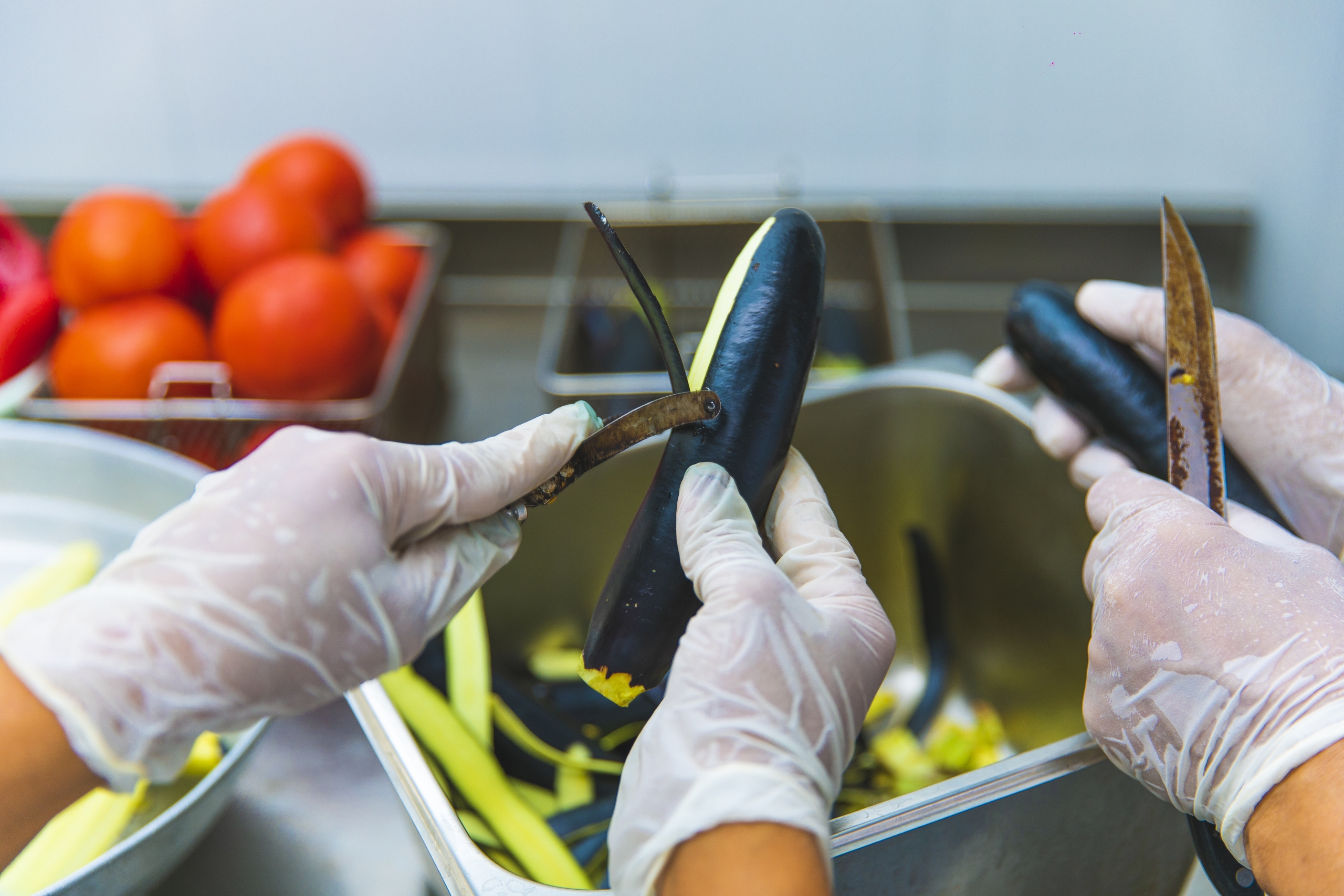
Unsafe practices observed included improper thawing methods, such as placing frozen meat in boiling water or leaving it unrefrigerated for extended periods. Only 36% of food handlers wore protective gear like aprons and hairnets, and even those who did wore them inconsistently.
A call for systemic reform
The study was led by UWC PhD candidate Asanda Getyeza-Ntswam from UWC’s school of public health, and co-authored by Dr Marieke Theron, a senior scientist at the South African Medical Research Council (SAMRC), and Prof Rina Swarts from UWC’s department of dietetics and nutrition.

The researchers said the lack of training and poor supervision exposed weak leadership and governance in the healthcare sector, and called for better coordination between hospital administration, food service managers and environmental health practitioners.
They warned that without systemic reform – including the introduction of accredited training and stronger enforcement of regulation 638, which makes food safety training a legal requirement – food safety failures in these hospitals would persist, putting patient recovery at risk and undermining patients’ rights to safe food and healthcare.
ALSO READ: UWC scientist (and Rassie) among 38 to receive national orders


You must be logged in to post a comment.