
Research at the University of the Western Cape (UWC) has highlighted how socio-economic differences and access to infrastructure shape household food waste practices in Cape Town.
The doctoral study links food waste to inequality and urban infrastructure, while also addressing key targets under the United Nations Sustainable Development Goals, including Zero Hunger, Sustainable Cities and reducing food waste. The findings further support the Western Cape’s goal of diverting organic waste from landfills by 2027.
Geopraphy
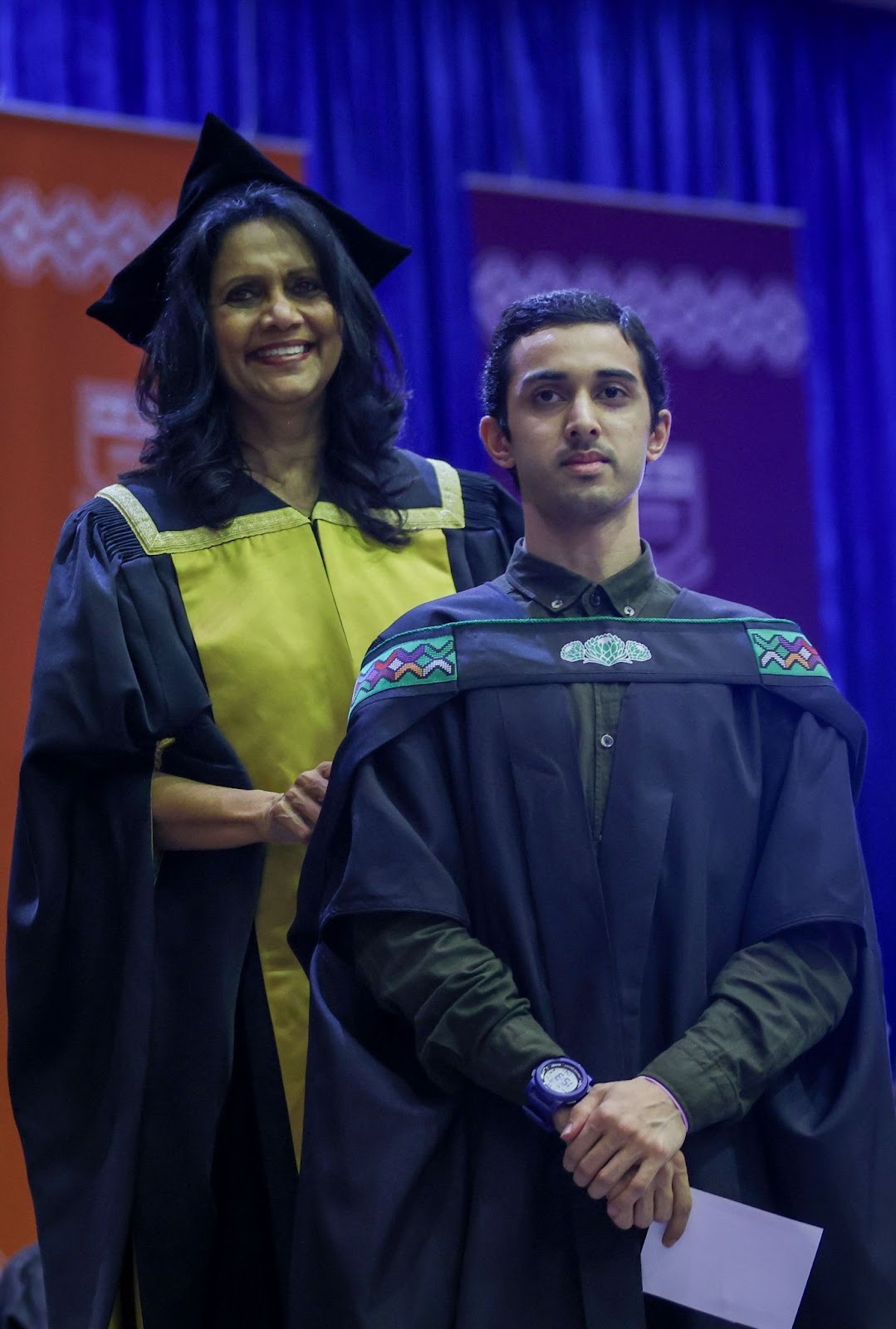
Dr Yonela Madlingozi, who recently completed her PhD in Geography, focused on household food waste in Joe Slovo Park and Phoenix in Milnerton. Her research examined how socio-economic conditions, service delivery and access to infrastructure influence everyday food waste practices.
Using a mixed-methods approach, including household surveys, food waste measurement, interviews and spatial mapping, the study found that middle-income households generate more food waste than low-income households, despite having better access to services and storage.
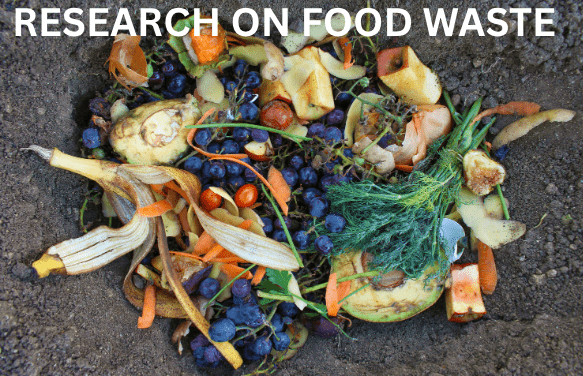
As she noted in her thesis, “the middle-income area, Phoenix, where the majority of respondents were employed, generated more food waste than the low-income area, where the majority of respondents are unemployed”. The research also found that the types of food wasted were similar across both communities, with perishable items making up the bulk of waste. “Both areas generate fruits and vegetables the most, followed by starch, then meat,” Madlingozi wrote.
Applying an urban political ecology lens, the study shows that food waste is closely tied to broader issues such as inequality, governance and service access. In her conclusion, Madlingozi emphasised that “food waste at the household level occurs due to interlinked complex factors and, therefore, cannot be studied in isolation.”
The findings highlight that unreliable electricity, limited storage, inconsistent waste collection and access to food outlets contribute to food spoilage and illegal dumping, particularly in low-income areas. At the same time, opportunities exist to reduce waste through improved food buying, preparation and storage practices.
Recommendation
The study recommends more participatory approaches to waste management, including community-driven solutions, improved municipal services and expanded composting initiatives. It also points to the role that producer responsibility organisations can play.
By focusing on lived experiences and structural challenges, the research contributes to ongoing discussions around urban sustainability, the circular economy and food security, offering practical insights for policy and planning in South African cities.