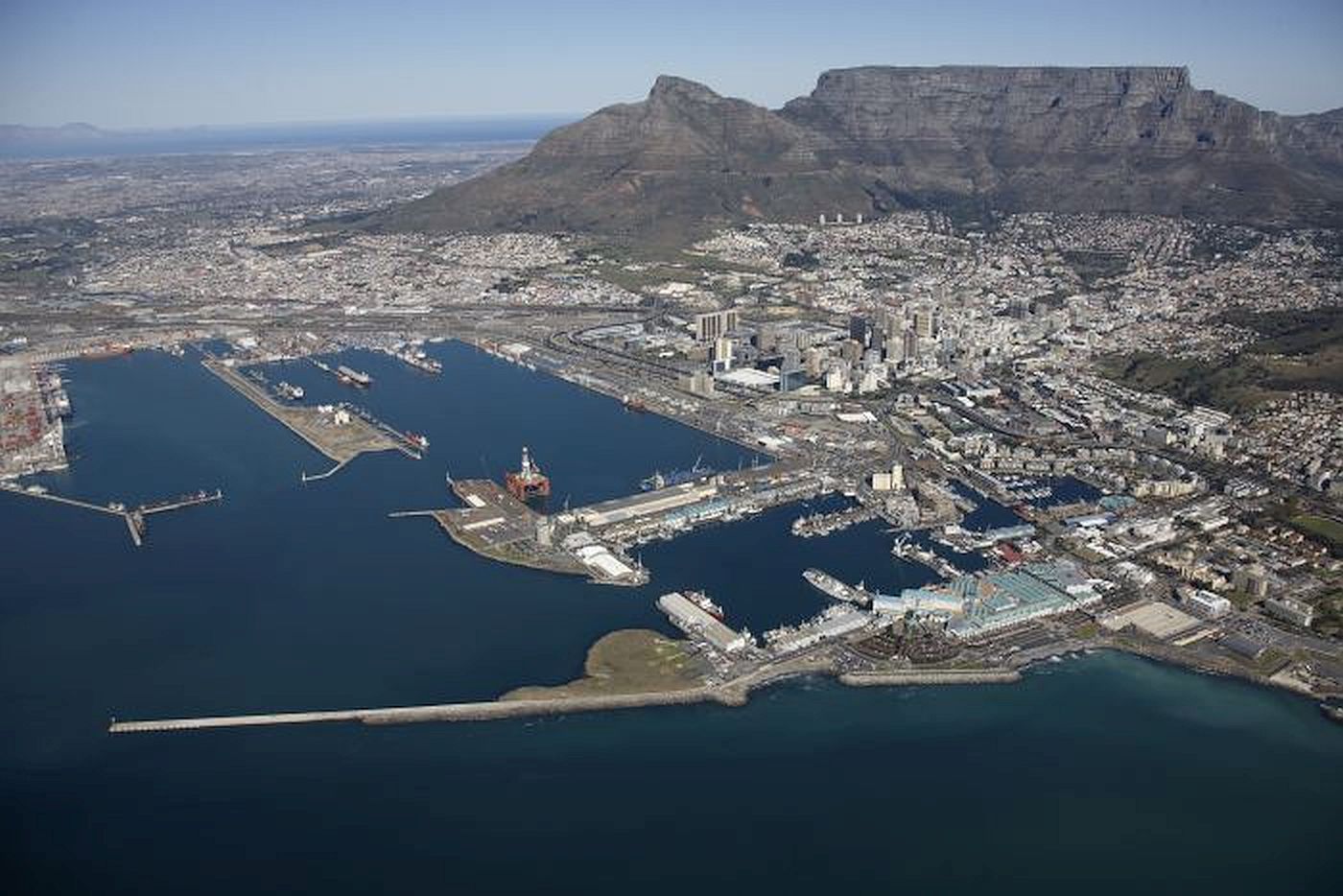

The Western Cape Government has set its sights on creating 260 000 new jobs over the next decade by trebling exports, and the Port of Cape Town’s performance is at the heart of that ambition.
In a briefing to the Western Cape Parliament’s standing committee on agriculture, economic development and tourism, Ilse van Schalkwyk from the provincial Department of Economic Development and Tourism outlined progress on the province’s four-point plan to contribute towards improved port performance.
Rock bottom in global rankings
This comes after the Port of Cape Town was ranked last out of 400 global container ports that participated in the World Bank’s recently released Container Port Performance Index (CPPI) 2025, a finding that sent shockwaves through the province’s export community.
The Department of Economic Development and Tourism has set in motion four priority actions to facilitate a realistic and improved rating for Port of Cape Town container terminals.
This includes engagement with the World Bank’s CPPI team to review the administrative component of the index, compare port call data with the larger data set on the province’s own Digital Logistics Planning Platform and inviting the World Bank to future annual stakeholder dialogues.
ALSO READ: Cape Town port ranked dead last globally as City demands urgent reform
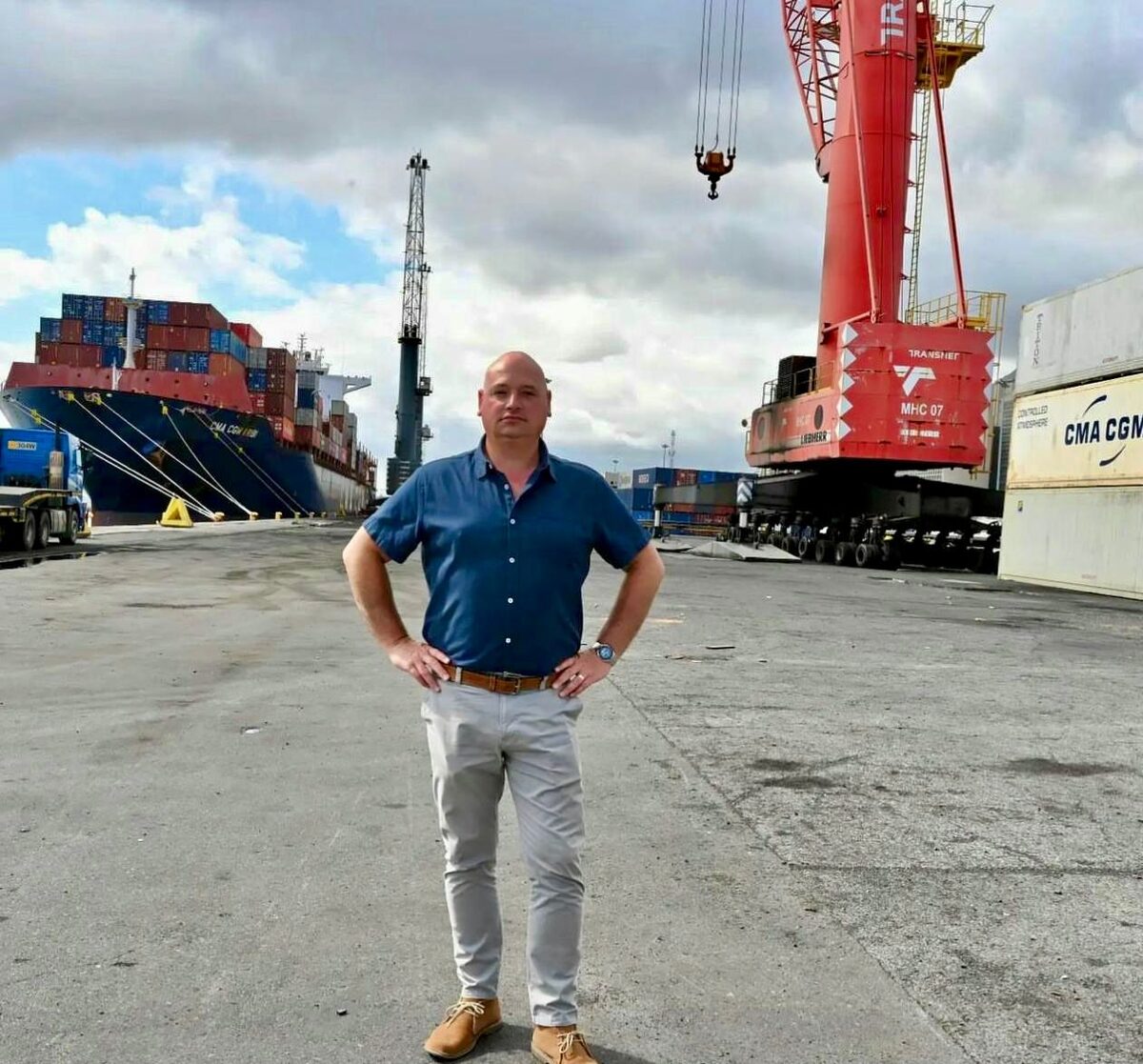
High-level engagement with Transnet is focusing on the key indicator of vessel turnaround time. Some of the recommendations in this regard are to mitigate the impact of disruptive events, improve berth sequencing to avoid excessive bunching and encourage global best practice container stack management to eliminate delays.
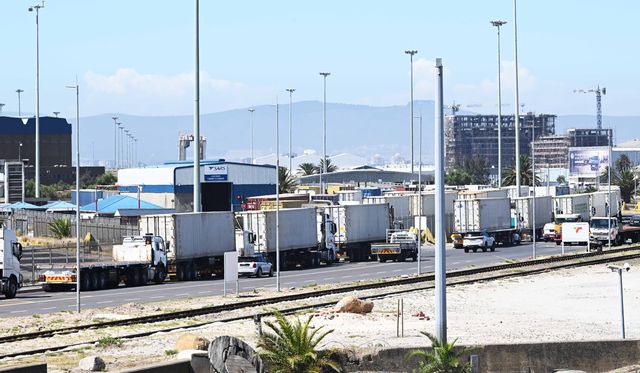
The province will also work closely with exporters, importers and logistics operators to minimise congestion during peak periods, including targeted night-shift operations, increasing the use of inland terminals and boosting private sector involvement in cold chain and back of port facilities.
Van Schalkwyk told the committee that 60% of Western Cape exports move by sea, supporting five of seven G4J (Growth for Jobs) priorities. Potential cargo growth of 4% per year can create 5 000 new jobs per year. Global competitiveness is a strategic priority, with the Netherlands and China as the province’s main export markets. The UK and USA rank third and fourth.
Citrus is exempt from the US Section 301 tariff, but table grapes, wine, pome and stone fruit are affected. Cape Town, Mossel Bay and Saldanha Bay serve distinct but complementary roles and are ideally managed as an integrated western region system aligned with regional and global ports, the briefing stated.
Maritime data essential
According to the briefing Digital Logistics Planning Platform (DLPP) data has confirmed improvement in vessel turnaround time since late 2025, with significant improvements recorded for 2026 year to date, while engagement with the World Bank Container Port Performance Index (WB CPPI) team is under way.
The DLPP and other industry digital platforms lay the foundation for a global good practice port community system, enabling predictive analytics and faster vessel turnaround times.
Van Schalkwyk said the Transnet National Ports Authority’s (TNPA’s) 25-year concession opportunity for Port of Cape Town Berths B-D will enable capital equipment acquisition and contribute to port resilience during disruptive events.
Van Schalkwyk outlined five measures to improve port efficiency and competitiveness. These include facilitating the integration of the DLPP with other local platforms and upgrading to a port community system, encouraging port ecosystem synchronisation through stakeholder engagement, and promoting the despatch of Limpopo fruit to Durban for export to flatten peak season pressure on Cape Town.
She also called for a disruptive event mitigation approach incorporating appropriate equipment, suitable operating procedures during and after disruptive events; and effective inland terminals as a buffer to maintain the flow of cargo. A reduction in vessel turnaround time will improve the port’s position on the WB Container Port Performance Index.
The briefing further set out six strategic priorities for export growth. This includes increasing awareness of the Western Cape brand and capabilities in priority markets, enhancing the competitiveness, sustainability and capabilities of exporters, improving market access and lowering barriers to trade, establishing the Western Cape as the regional hub for services trade, ensuring better reflection of the province’s interests in national trade policies, programmes and negotiations, and delivering more efficient, cost-effective and sustainable infrastructure.
New equipment, wind research under way
Van Schalkwyk further outlined measures to improve port efficiency and competitiveness. This will be done by facilitating integration of DLPP with other local platforms and upgrade to a port community system, while encouraging port ecosystem synchronisation through stakeholder engagement.
Furthermore, despatches of Limpopo fruit to Durban for export, will be promoted to flatten peak summer season pressure on Cape Town, while advocating for a disruptive event mitigation approach, including appropriate equipment, procedures and effective inland terminals. Vessel turnaround time will improve the port’s position on the WB Container Port Performance Index.
In response to questions from the committee Van Schalkwyk said new equipment was procured by Transnet for the Cape Town Container Terminal, and operators have been trained to use this equipment. She noted that a research model on wind disruptions, being conducted by TNPA with assistance from Stellenbosch University , was nearing completion and that this predictive model was critical for managing the impact of high winds. She also highlighted that the growth of the fresh produce industry requires continuous improvement in the province’s logistics capacity to respond.
In closing, the committee called an emergency meeting with Transnet representatives present in the room, requesting specifics on the causes of ongoing delays and the improvements implemented ahead of the upcoming peak export season.