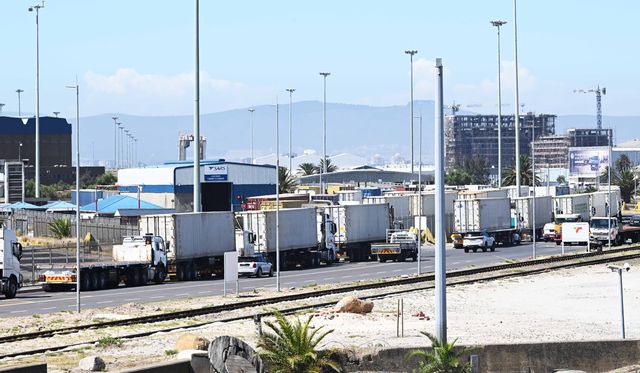

In an embarrassing blow for the country, Cape Town’s container port has been ranked last among 400 ports worldwide, prompting calls for decisive intervention from the City of Cape Town. The Port of Durban fared only marginally better, finishing third last at position 398.
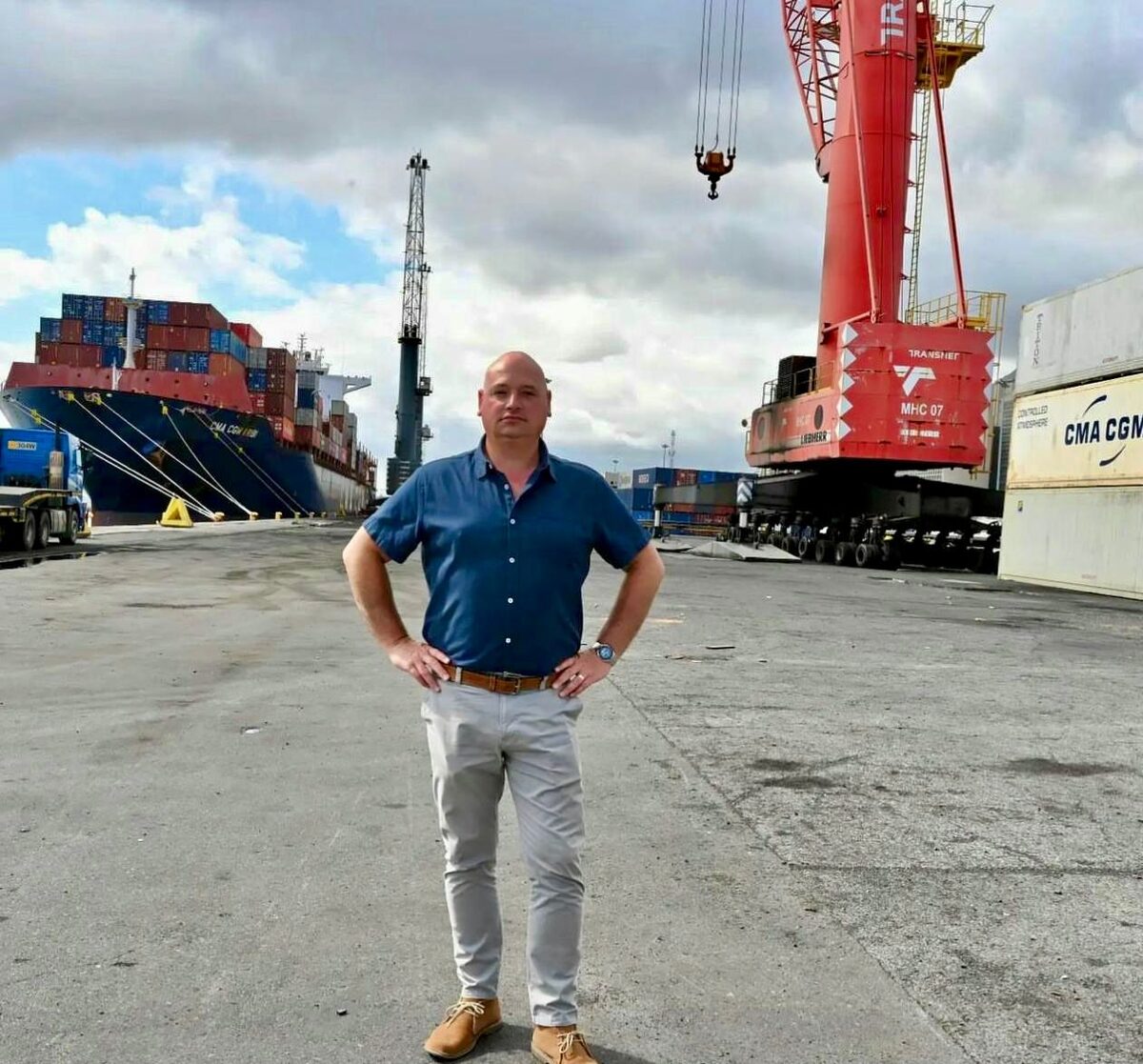
Cape Town’s Mayco member for economic growth, James Vos, has this week written to transport minister Barbara Creecy calling for accelerated reforms at the Port of Cape Town following the latest Container Port Performance Index (CPPI) which ranked the port last globally.
The CPPI, developed by the World Bank and S&P Global Market Intelligence, is a globally recognised benchmark that measures container port efficiency by tracking how long vessels spend in port.
Rather than relying on self-reported data, the index draws on actual vessel call data to assess factors including berth availability, cargo handling, yard operations, and stakeholder coordination, providing a consistent and credible basis for comparing port performance across regions and over time.
Weather-related disruption
An excerpt of the report reviewed by TygerBurger states that the Port of Cape Town illustrates how vessel turnaround times can worsen even when broader congestion indicators fluctuate.
It further stated that, “Persistent weather-related disruption, combined with equipment reliability issues, led to high variability in ship times in port despite periods of easing supply chain stress. This deterioration was accompanied by a decline in berth utilization, suggesting that vessels increasingly accumulated time outside productive berth operations.”
The report then refers to Cape Town’s response in introducing a predictive wind model developed with the Council for Scientific and Industrial Research to reduce weather-related disruptions, a helicopter piloting service to improve ship access during high swells, and a digital technology platform for cargo planning.
“The port’s CPPI trajectory underlines how structural exposure to external conditions can dominate performance outcomes, independent of global demand cycles,” it stated.
Cape Town scored the lowest CPPI point of -302 as opposed to the number one port in the world being Fuzhou in China with a point of 144.6.
Improving port performance is one of the most important steps we can take to strengthen economic growth.
In a statement to the media, Vos said the ranking reinforced concerns he has been hearing directly from exporters, manufacturers, logistics companies and businesses across the Western Cape about the impact of delays and operational inefficiencies on trade and investment.
“I engage regularly with businesses that are exporting goods and with companies that are feeling the pinch of rising logistics costs and uncertainty,” Vos said in a statement to the media yesterday. The message is consistent in that improving port performance is one of the most important steps we can take to strengthen economic growth, protect jobs and attract investment.”
Rather than focusing on criticism, Vos’s letter puts forward a series of proposals aimed at building on the reforms already underway. These include greater private sector participation in port operations, improved equipment reliability and maintenance, stronger digital cargo planning systems, increased operational skills capacity, and measures to boost terminal productivity and resilience.
Advocating for port reform
Vos noted that he has been advocating for port reform and the opening of opportunities for private sector participation for a considerable time, arguing that many of the world’s best-performing ports combine public ownership with private expertise, technology and investment.
“This is not about privatisation,” he said. “It is about using every available tool to make our ports more efficient, more reliable and more competitive.”
ALSO READ: Cape Winelands Airport fast-tracked to priority status
The letter also links port performance to the City’s broader economic strategy. Vos recently championed a new manufacturing support policy aimed at boosting local production through a range of support measures for manufacturers and industrial businesses.
“Manufacturing is a critical part of Cape Town’s economic output,” Vos said. “We are working hard to help businesses produce more goods, expand factories and create jobs. But if we are serious about growing manufacturing and exports, we also need a port that can move those products to global markets consistently, efficiently and on time. A strong manufacturing sector and an efficient port must work hand in hand.”
Research commissioned by the Western Cape Government found that a more efficient Port of Cape Town could unlock about R6 billion in additional exports, support nearly 20 000 jobs and generate more than R1.6 billion in additional tax revenue.
“The opportunity is enormous,” Vos said. “Every improvement in port performance helps exporters, strengthens investor confidence and creates more opportunities for employment. My goal is to keep working with national government, Transnet and the private sector to unlock the full potential of the Port of Cape Town as a world-class gateway for trade and investment,” he concluded.