
Cape Town has been ranked the only metro in South Africa classified as “highly financially sustainable” by the latest Municipal Financial Sustainability Index, with an overall score of 71 — a full 35 points above the average of 36 for the country’s remaining metros.
The Ratings Afrika report released on 9 July states that “Cape Town remains the only metropolitan municipality classified as highly financially sustainable,” adding that “Cape Town’s strong financial position” is providing the “capacity to invest in infrastructure” unlike other cities.
Ratings Afrika further warned that “without decisive intervention, municipalities will remain trapped in a cycle of operating losses, worsening liquidity shortages and declining service delivery”.
Progress affirmed
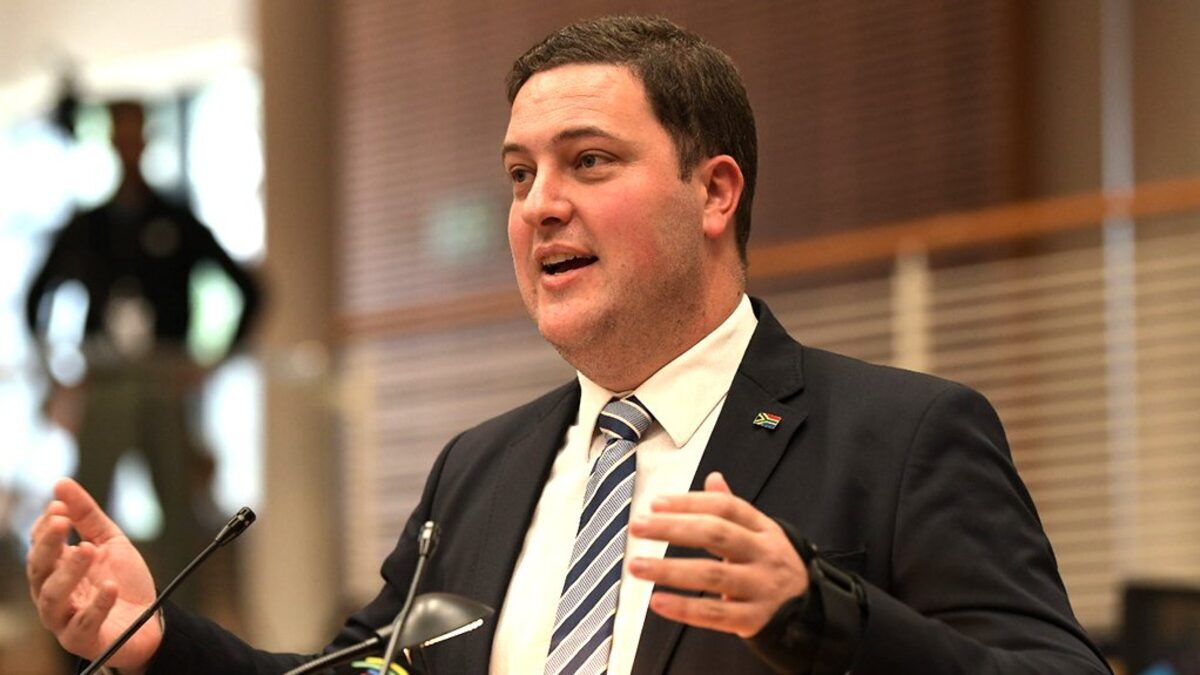
Cape Town mayor Geordin Hill-Lewis on Friday welcomed this recognition, saying the report “affirms the progress made in our vow that Cape Town will be South Africa’s beacon of hope, avoiding the tragic collapse of infrastructure and services we sadly see in other cities”.
“Good governance enables us to invest an SA-record R40bn in basic infrastructure over the next three years, while still offering the lowest property rates of SA’s cities. Around 130 000 construction-related jobs will flow from infrastructure investment in the current term of office alone, with 75% of infrastructure spending directly benefitting lower-income households,” said the Mayor.
The MSFI report further notes that “Cape Town stands out with a [revenue] collection rate of 98%”, amid an average 85.3% metro collection rate.
Over the three-year budget framework, the City’s most significant infrastructure investment is in water and sanitation, where R16.7 billion — representing 40% of total spending — has been allocated to major wastewater works upgrades, a R2 billion pipe replacement programme that quadruples the previous rate of replacement, and expanded water supply sources.
ALSO READ: Cape Town’s R87.8 bn budget: relief for some, ‘stealth tax’ fears for others
The electrical grid will receive R6 billion in upgrades and maintenance as the City prepares for a decentralised energy future with reduced reliance on Eskom, while roads and stormwater infrastructure will benefit from R3.7 billion earmarked for maintenance, pothole repairs and upgrades, alongside a further R653 million directed at congestion relief.
Public transport receives a major boost through R3.2 billion allocated to the MyCiTi Cape Flats expansion, while R3.3 billion has been set aside for informal settlement upgrading and state-subsidised housing. Sports facilities will see R203 million in upgrades, and the Strandfontein Pavilion redevelopment has been allocated R300 million.