
The future of work is changing, and the way we work needs to change with it.
In Cape Town, where traffic congestion gridlocks are the order of the day, a hybrid and flexible working model is now being explored by the City of Cape Town’s urban mobility directorate.
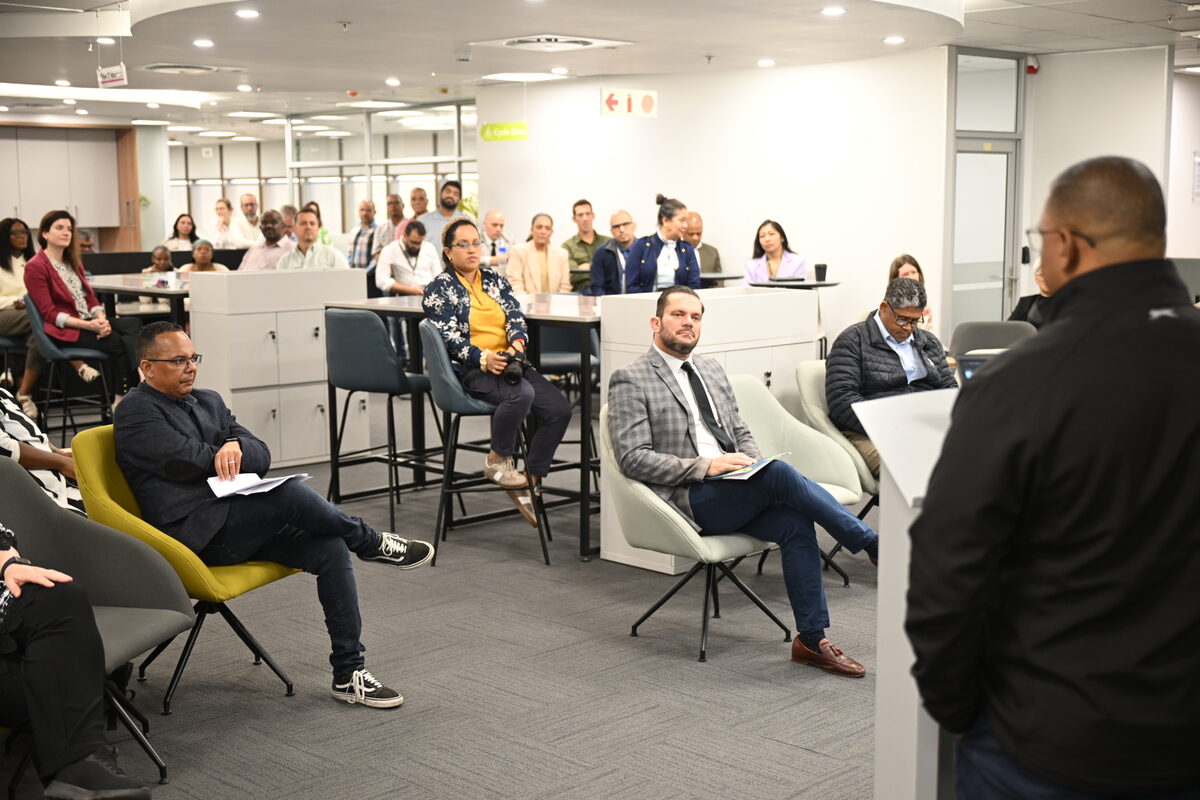
A think tank forum shaped around workplace ideas was recently held at the directorate’s newly revamped offices designed around the modern principles of shared workstations, and technology-enabled meeting rooms.
The forum explored how flexible and hybrid working can create more productive and sustainable workplaces, while demonstrating how the urban mobility directorate is leading by example by applying the City’s Travel Demand Management (TDM) principles to the way they work themselves.
Lower greenhouse gas emissions
Travel Demand Management is the new buzzword in terms of curbing severe traffic congestion in the city.
ALSO READ: City of Cape Town says congestion charge is years away
The strategy, recently developed and approved by the City, aims to shift commuter behaviour rather than building costly new roads.
Among other things, it promotes flexible and remote work and encourages walking, cycling, lift clubs, and public transport options to reduce single-occupant car dependency.
Another core goal is to lower greenhouse gas emissions from the transport sector to meet environmental targets.
The gathering brought together internal and external stakeholders, large employers, industry professionals and practitioners interested in TDM, sustainable mobility and flexible workplace trends.
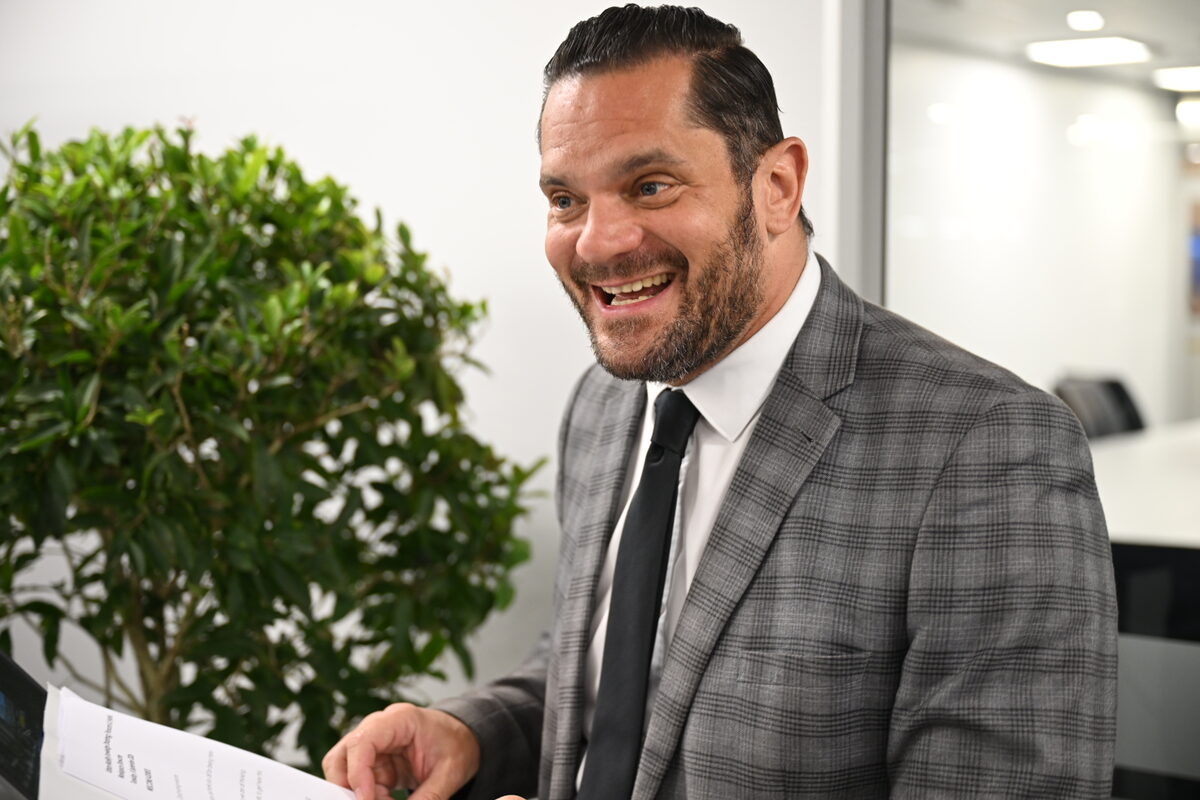
“This event reflects the City’s steadfast commitment to addressing congestion through forward-thinking TDM initiatives, including the promotion of flexible and hybrid work arrangements. We also showcased urban mobility’s innovative newly revamped offices that are a testament to what we can accomplish through collaborative partnerships.
“We worked with the City’s facilities management department to build a smart, sustainable and future-focused workspace that will ensure that we serve Cape Town effectively in efficient modern spaces,” said the City’s urban mobility executive director, Regan Melody.
The forum also highlighted the role TDM can play in giving residents and businesses greater flexibility in how, when and whether they travel.
The first goal of the TDM Strategy is to reduce unnecessary motorised travel and reduce private vehicle demand in the peak period through locked-in congestion relief.
“Council recently approved the City’s new TDM, which is ultimately about giving people real choices about when to travel, how to travel and whether to travel at all. We must start with ourselves because we can’t expect residents and businesses to change how they move and work if we aren’t willing to do the same,” says Rob Quintas, the City’s Mayco member for urban mobility.
ALSO READ: Cape Garden shows the way as dry summer looms
“There are thousands of workers in this city. From healthcare workers, retail staff, hospitality workers, cleaners, security guards and more whose jobs cannot be done remotely. They are the ones who sit longest in traffic and queues and lose the most time.
“The first goal of the TDM Strategy is to reduce unnecessary motorised travel and reduce private vehicle demand in the peak period through locked-in congestion relief.
Flexible working
“The second goal is to increase inter-departmental and inter-agency responsibility and accountability for improving spatial planning practices, resulting in shorter trip distances. And the third goal is to reduce greenhouse gas emissions from the transport sector,” he said.
The City’s experience demonstrates the potential impact of flexible working.
In 2018, its Flexible Working Programme (FWP) was introduced as a TDM pilot initiative to reduce peak-period congestion, supported by a change management framework. When Covid-19 hit, the City was better positioned to transition to remote working, with the FWP subsequently evolving into the “Future of Work” programme.
“The associated travel reduction is significant. It is estimated that the current reduction in vehicle kilometres travelled is close to 40% for City offices located in the CBD. Flexible and remote work is thus a practical TDM measure that reduces peak-hour travel demand while improving productivity, sustainability and organisational resilience,” added Quintas.
The forum also brought together a range of perspectives on the future of work and the City’s evolving workplace environment.
Executive director for corporate services Ernest Sass delivered the corporate services address, while Niki Covary unpacked the City’s Travel Demand Management Strategy.
Kareema Fakee explored the next steps for Civic Masterplanning, while Lydon Kleinhans focused on the Future of Work and Karen Scholtz shared insights into the Western Cape Government’s Work Arrangements Policy.
Woolworths’ Cornelius du Plessis shared perspectives and lessons learned on flexible working arrangements.
The programme also included a showcase and walkabout led by Sasha Vaughan and Clayton van Neel, with the City’s Transport Planning and Network Management Director, Neil Slingers, delivering the closing address.