
A popular Joostenbergvlakte nursery that has not used drinking water to irrigate its plants for a decade is being held up by the City as an example of how businesses and residents can cut water use ahead of a longer, drier summer.
The City’s water and sanitation directorate recently visited Cape Garden Centre to acknowledge the nursery’s longstanding commitment to responsible water use and to learn more about the measures it has put in place.
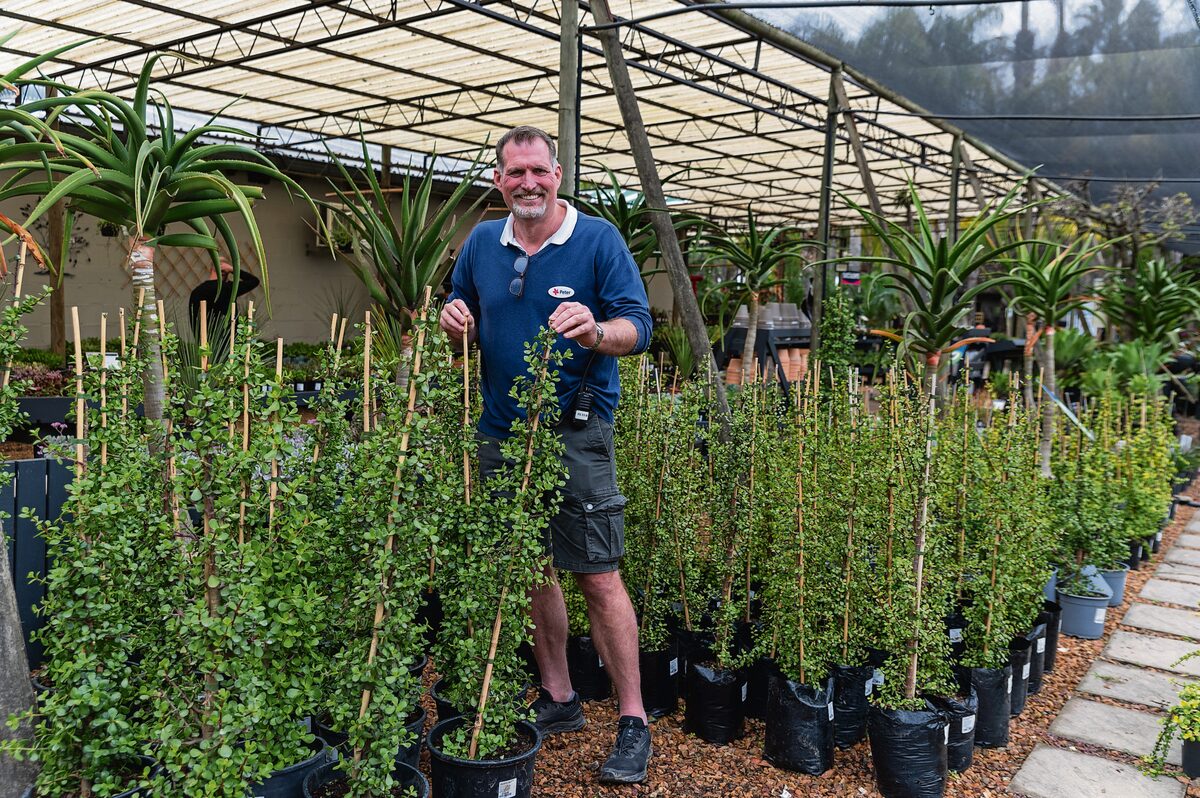
“With about 40 000 litres of water needed each day during peak summer, careful planning and responsible water management are essential to the nursery’s daily operations,” says CEO and co-owner Peter van Niekerk.
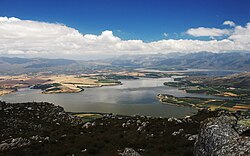
The garden centre draws non-drinking water supplied directly from Theewaterskloof Dam via its Stellenbosch farm and has approximately 100 000 litres of water storage capacity on site.
It closes main water supply points at night and reopens them in the morning to reduce potential losses from leaks or breakages after hours.
The nursery does not use overhead irrigation. Watering is controlled through targeted systems, including pressure-controlled irrigation and drip irrigation at their farm.
Staff assess individual plants before watering to determine whether they require water, rather than simply following a fixed watering schedule.
All plants at the retail stores are individually watered by hand, a measure that has helped reduce water use by approximately 50%.
Less is more
Van Niekerk, who has spent 30 years in the industry, says many plants die as a result of overwatering rather than a lack of water. He encourages residents to practise mindful gardening by understanding the water requirements of different plants and only watering when necessary.
His tips for home gardeners include using a simple wooden dowel, stick or moisture meter to check soil moisture levels before watering, not watering plants when the soil is already wet, and choosing water-wise plants such as Spekboom.
With about 1.5 million plants entering Cape Town each year through the nursery, the business also uses its position in the industry to educate customers about water-wise choices. This includes encouraging customers to consider the water requirements of different plants and alternatives to water-intensive lawns.
Everyday conservation
Choosing suitable plants and creating well-established garden ecosystems can help reduce the need for intensive watering over time.
“Water conservation is a responsibility that extends beyond the City and into our homes, businesses, gardens and everyday choices.
“It is encouraging to see businesses such as Cape Garden already taking practical steps to make water conservation part of their everyday operations. Their approach shows that saving water does not always require complicated solutions. It starts with understanding how water is being used and avoiding unnecessary wastage.
ALSO READ: El Niño: Western Cape outlines summer disaster readiness
“With lower dam levels and the months ahead expected to be more challenging, we encourage residents and businesses to take stock of their own water use and look for practical ways to make every drop count. Whether it is checking before watering, fixing a leak or choosing a more water-wise plant, every action to reduce unnecessary water use helps us protect this precious resource.”