At a petrol station in Los Angeles, Ryder Thomas wore a grimace of barely suppressed anger as he filled his pickup truck, watching the cost tick up to $130 for a full tank – $30 more than he was paying before the US and Israel attacked Iran.
“I’m mad about the price, but I’m even madder about why it’s so high,” Thomas (28) told AFP.
This week, pump prices in the United States climbed to their highest level since early 2022, when Russia’s full-scale invasion of Ukraine triggered a global surge in the cost of oil.
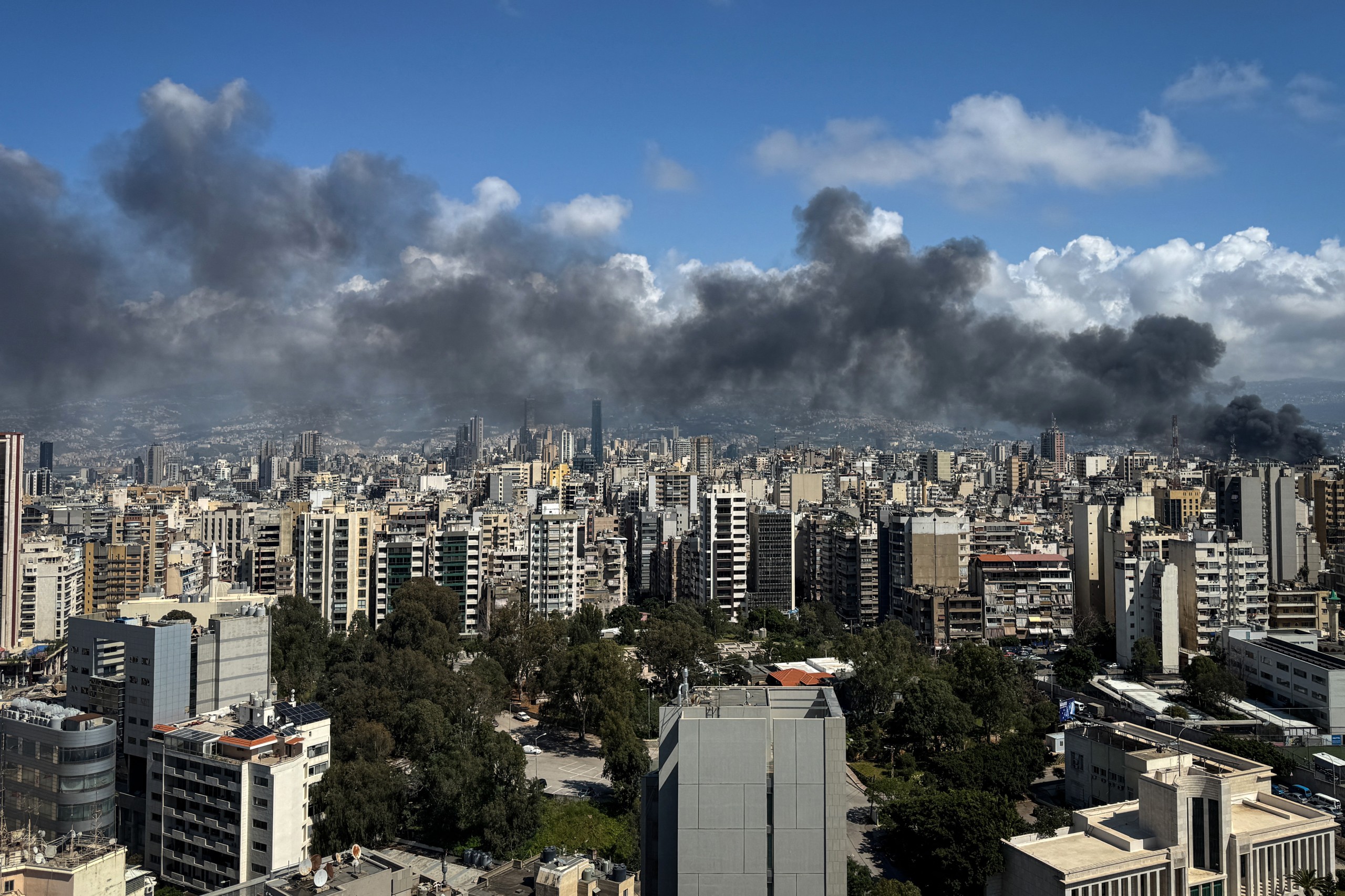
Hostilities in the Middle East, which began when Israel and the United States started bombing Iran on 28 February, have crimped supply, sending the price of crude surging.
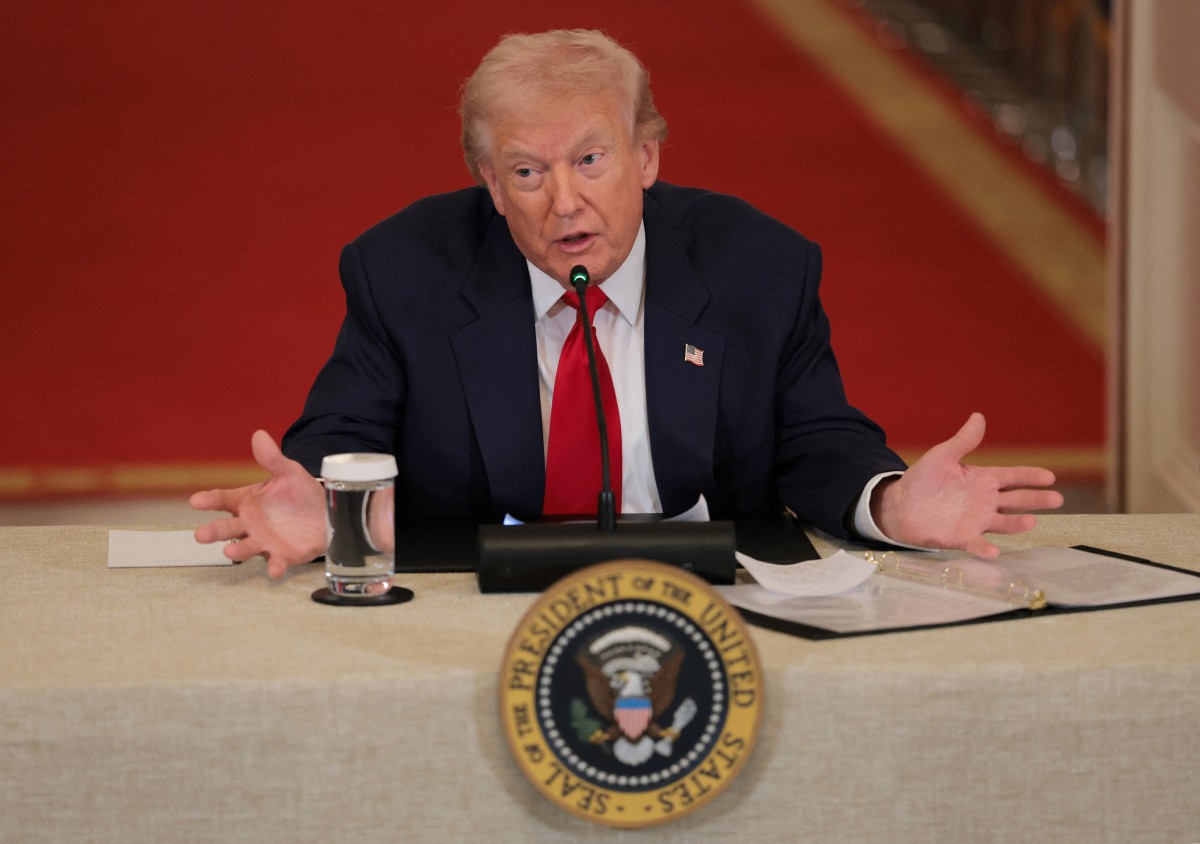
The war launched by President Donald Trump is unpopular all over the United States, with polls showing a clear majority disapprove of a conflict whose aims they think are unclear.
“There was absolutely no need for this war. It’s just like when we invaded Iraq, there were no weapons of mass destruction,” Thomas said.
“Trump is an idiot, that’s all it is.”
For weeks, the Republican billionaire has insisted that attacking Iran was necessary to prevent the country from acquiring nuclear weapons, and has repeatedly promised a short conflict.
But despite the overwhelming might of the US military, the Islamic republic has blocked the Strait of Hormuz – a global trade artery used to transport a fifth of the world’s oil and gas.
Domino effect
The result of this squeeze on supply is rising prices, sending petrol in already-expensive California above $6 a gallon ($1.59 per litre), compared with around $4.50 a gallon before the war.
Thomas worries about the domino effect this oil crunch will have on everything else he buys, as the rising cost of transport pushes up the prices of everyday goods like food and clothing.
“I hope the middle-of-the-road voters who got Trump elected start thinking about it and realise what he’s done to them,” he said of a president who campaigned on reducing costs for everyday Americans.
Trump voter David Chavez, who was waiting among dozens of cars lining up to refuel at Costco – a wholesale retailer whose prices are often a little lower than average – said it was not that simple.
“It is not nice; we don’t want to pay more for petrol,” acknowledged the cameraman as he got his credit card ready to fill up his minivan.
However, “we don’t know everything that happens behind closed doors. It’s too easy to blame one person for all the problems.”
ALSO READ: Iran war could push 30 million people into poverty: UN
Food bank
Chavez said he voted for Democrats in the past, but switched to Trump because of former president Joe Biden’s “poor handling of immigration and poor handling of the economy.”
He accused oil giants of taking advantage of the current climate to artificially inflate prices, and pointed out that stricter environmental rules in California amp up the cost to motorists in the massive state.
ALSO READ: SA fuel levy relief extended to June: What you’ll pay
Nonetheless, he admitted to being disappointed in Trump, but said no one is perfect.
“Trump still handles things a little bit better,” he said.
In the same petrol queue, Flo (73), who did not want to give her full name, said she no longer knew what or who to believe on the reasons for rising petrol prices.
What she knew for certain was that increased fuel costs were making her life much harder.
“With petrol this high, I go to the food bank now, more so than ever,” the retiree told AFP.
“I’ve had to cut back on driving too.”
Between her pension and a part-time job she takes home around $3 000 a month – almost half of which is swallowed by rent.
“Life was already hard,” she sighed. “But now it’s just harder.”
ALSO READ: Prolonged Strait of Hormuz closure to scar global oil markets for years