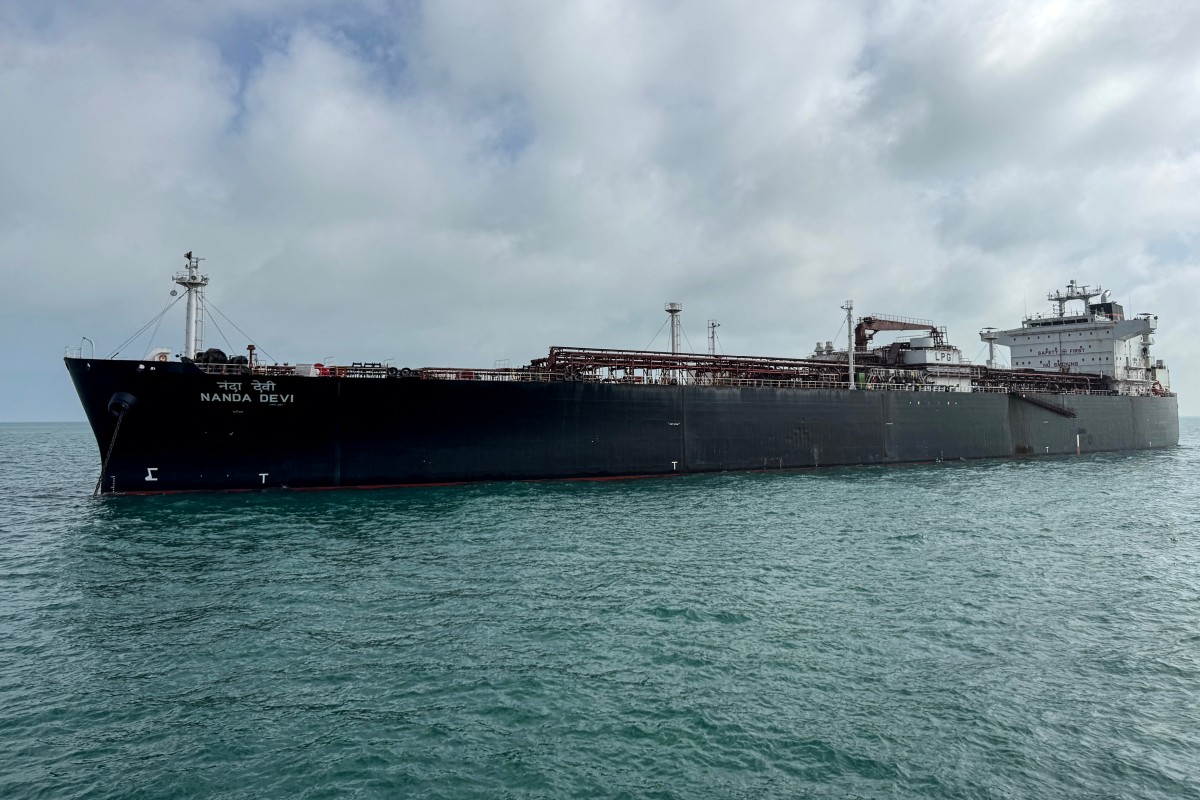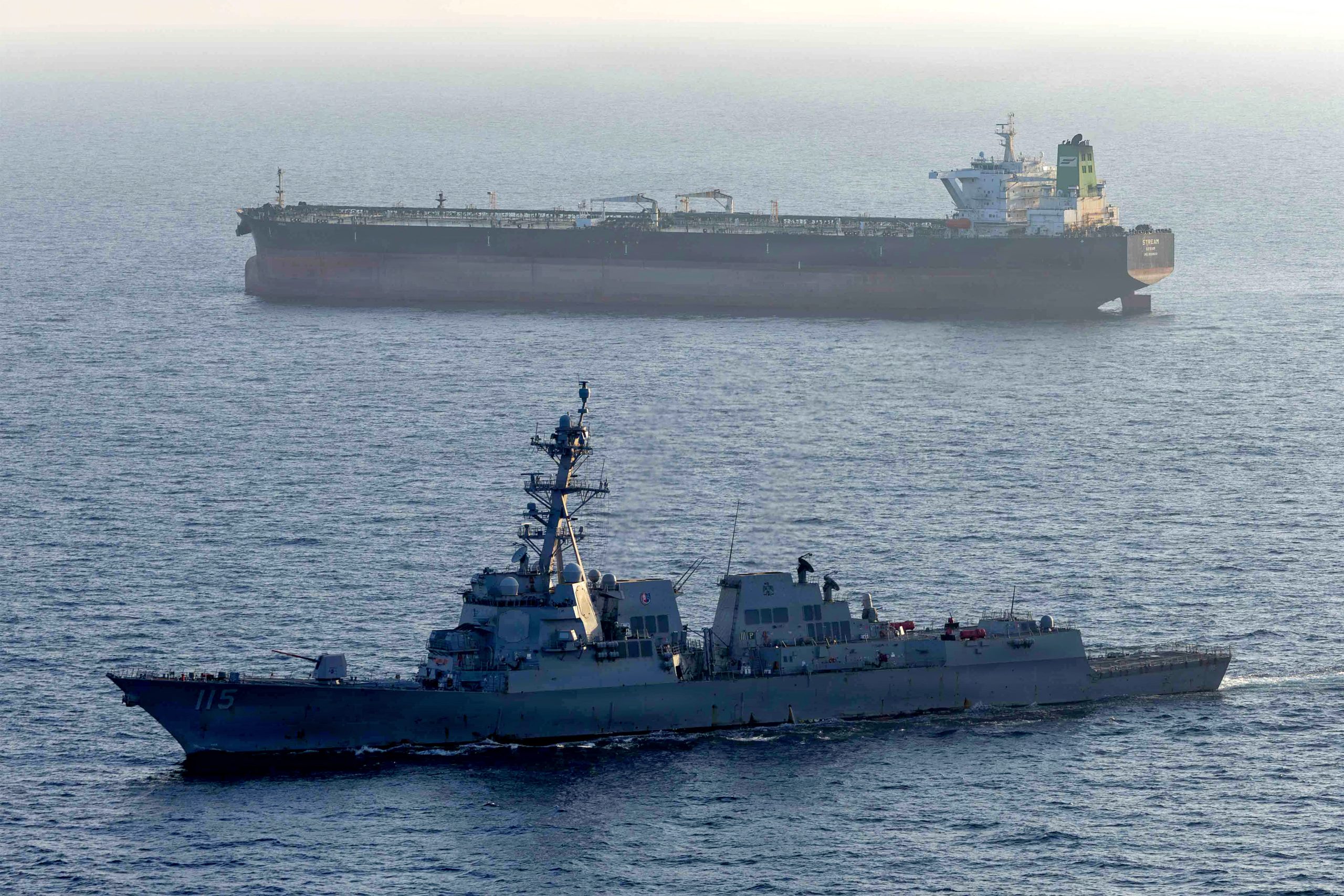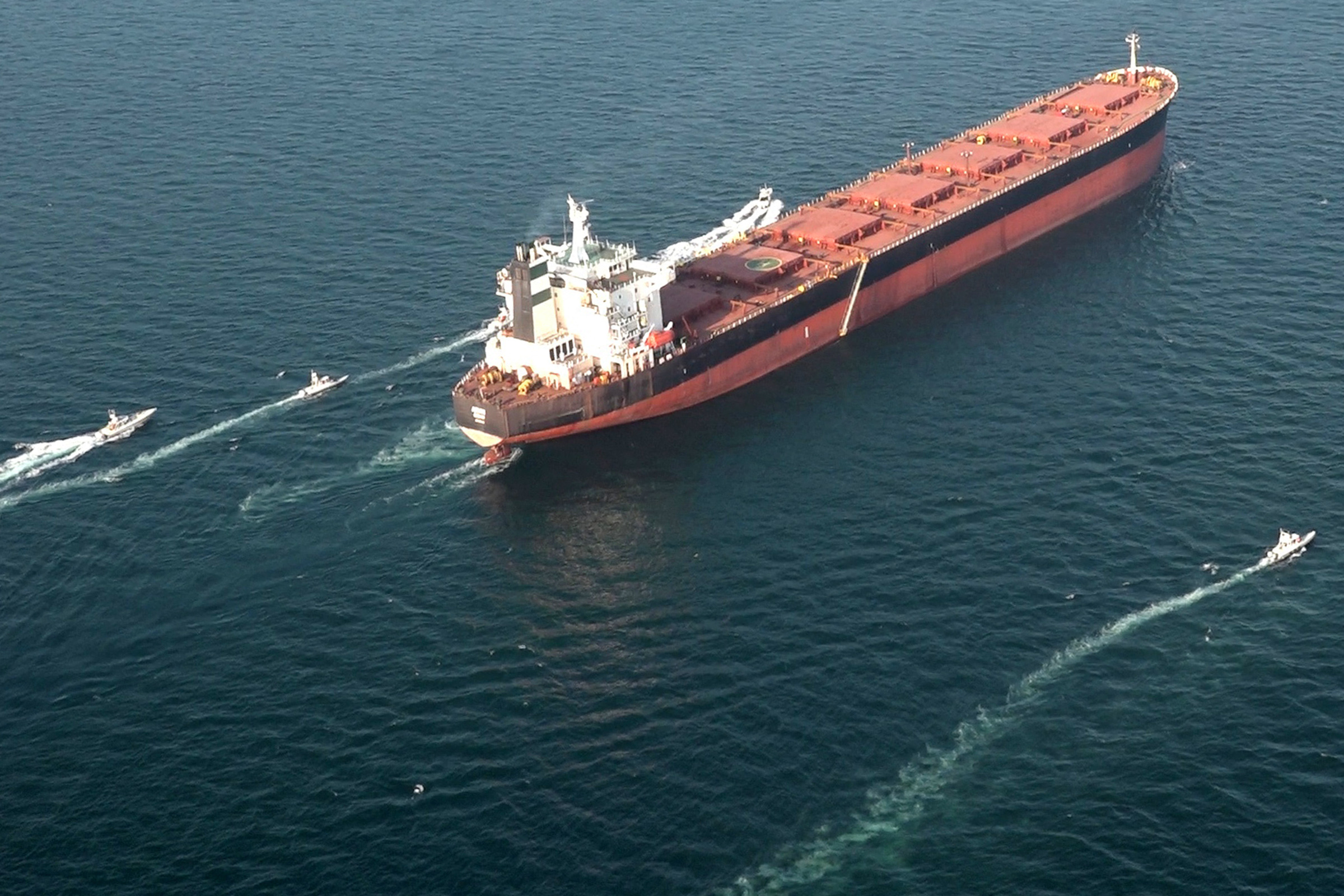
The world’s worst oil supply disruption in history will take months and potentially years to recover from, even if the Strait of Hormuz reopens to tanker traffic, according to oilprice.com.
Two months after US and Israeli bombing of Iran on 28 February, the Strait of Hormuz remains closed for most tanker traffic, forcing more than 10 million barrels per day of crude output shut-ins across Middle Eastern oil producers, according to the report.
The disrupted energy flows have triggered a global race for alternative supply and sent energy prices soaring, with the prospect of slowing global economic growth and even a global recession if the world’s most critical oil chokepoint stays mostly inaccessible for another three months, according to oilprice.com.
The two-month-long closure is longer than analysts had expected at the start of the conflict. Most assumed the strait would open by April and producers could restart shut-in wells in May, the report states.
However, supplies remain trapped in the Persian Gulf behind the Strait of Hormuz, with onshore storage tanks filled up and tankers unable to move past the chokepoint and out of the region, according to oilprice.com.
Gradual recovery expected
Even if the Strait of Hormuz opened to free tanker traffic immediately, oil supply from the Middle East will take months to start flowing again and reach consumers in Asia, who were the first to feel the supply shock, the report notes.
The restart of thousands of oil wells across the Middle East would be a significant challenge, according to oilprice.com. Some countries would need weeks, but others – like Iraq – many months to bring wells back online, analysts and officials say.
Some wells may have been damaged permanently due to the hasty shut-ins in the early days of the conflict, whilst others will need new interventions and drilling to unclog, according to the report.
Fraser McKay, head of upstream analysis at Wood Mackenzie, said early this month that it could take countries like Iraq up to nine months to reach prior production levels, due to both reservoir management and resource constraints, according to oilprice.com.
The halt to hostilities has not resulted in any diplomatic breakthrough so far, and the Strait of Hormuz remains closed by Iran and blockaded by the US, the report states.
McKay warned that operators hastened by regulators and governments to restore production too rapidly will risk doing more long-term damage to foundational assets, according to oilprice.com.
Complex restart process
Olivier Le Peuch, chief executive at the world’s top oilfield services provider, SLB, said on an earnings call last week that whilst some countries that executed orderly shut-ins should be able to resume production within days or weeks, other areas – particularly where disruptions were more abrupt – may require more time, including additional waiting and maintenance, according to oilprice.com.
Halliburton chief executive Jeff Miller said on his company’s earnings call that the longer production is shut in, typically the more complex it is to bring back, the report notes.
In its monthly report in April, the International Energy Agency said that supply restoration in the Gulf depends on improved security and political stability, the resumption of Hormuz trade flows, the mobilisation of skilled labour and contractors, and the normalisation of supply chains, tanker insurance and financing, according to oilprice.com.
Most fields that were properly shut in could restart quickly, but those with low recovery rates and flow issues may face delays of six months or more, the agency noted, the report states.
The IEA estimated that it would take around two months to re-establish steady exports upon a reopening of Hormuz, and that initial volumes would remain below pre-conflict levels, according to oilprice.com.
No global substitute available
The disruption is particularly severe because essentially all global spare production capacity is in Saudi Arabia and the United Arab Emirates – and thus trapped behind the Strait of Hormuz, according to the report.
ALSO READ: US examines Iran proposal to unblock Strait of Hormuz
There is no producing region capable of offsetting the huge loss of supply from the Middle East, according to oilprice.com.
Russell Hardy, chief executive at the world’s biggest independent oil trader, Vitol, said at the FT Commodities Global Summit in Lausanne last week that all of the spare capacity is behind the Strait of Hormuz, so the impact is very direct, the report notes.
The oil market has lost hundreds of millions of barrels of crude since the conflict began, with losses growing by the hour, according to oilprice.com.
Hardy told the summit that the market has probably lost 600 million to 700 million barrels at this stage, but by the time operations resume, the total could reach one billion barrels, as it takes time to bring production back, according to the report.
ALSO READ: Fuel levy relief extended to June amid Middle East crisis