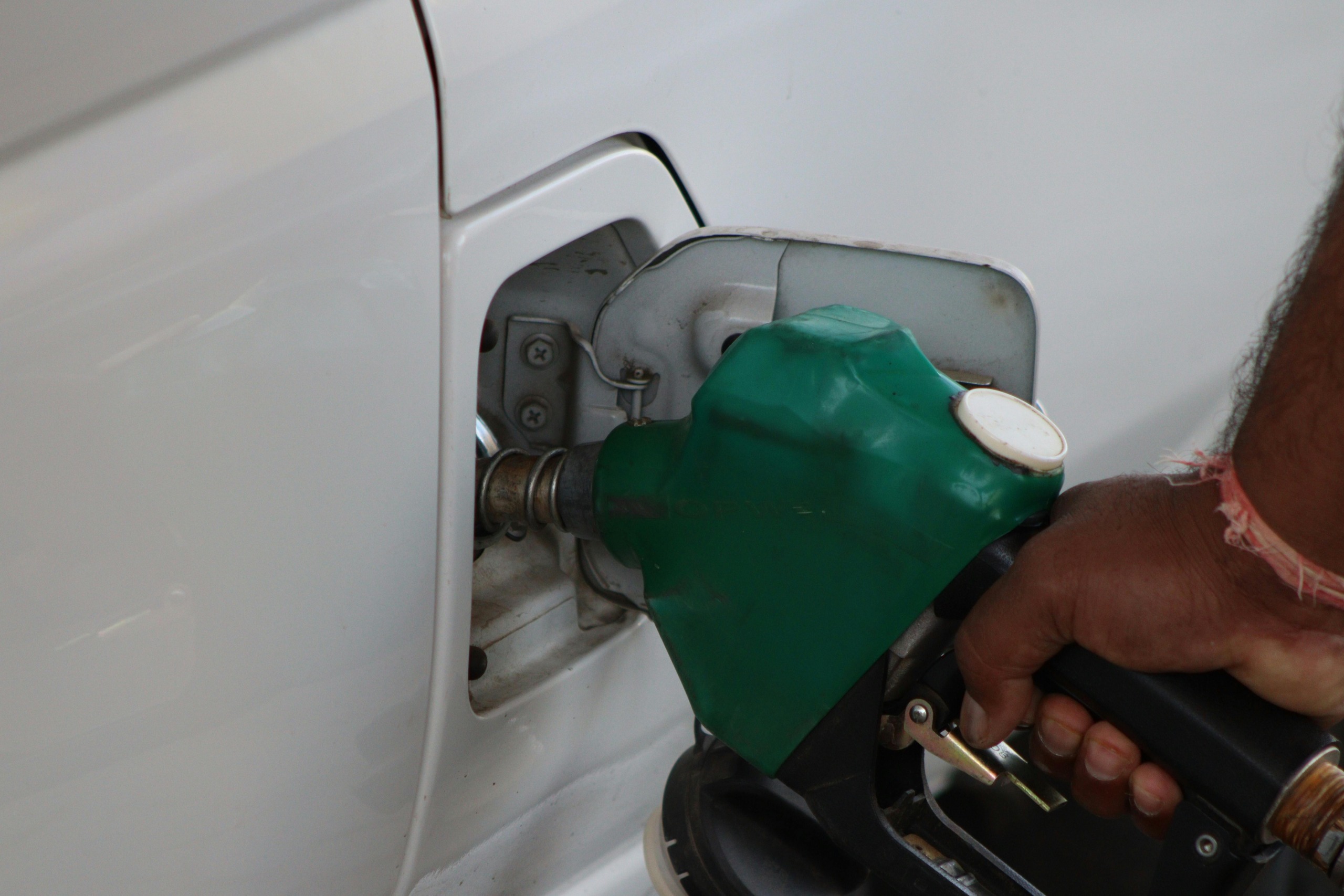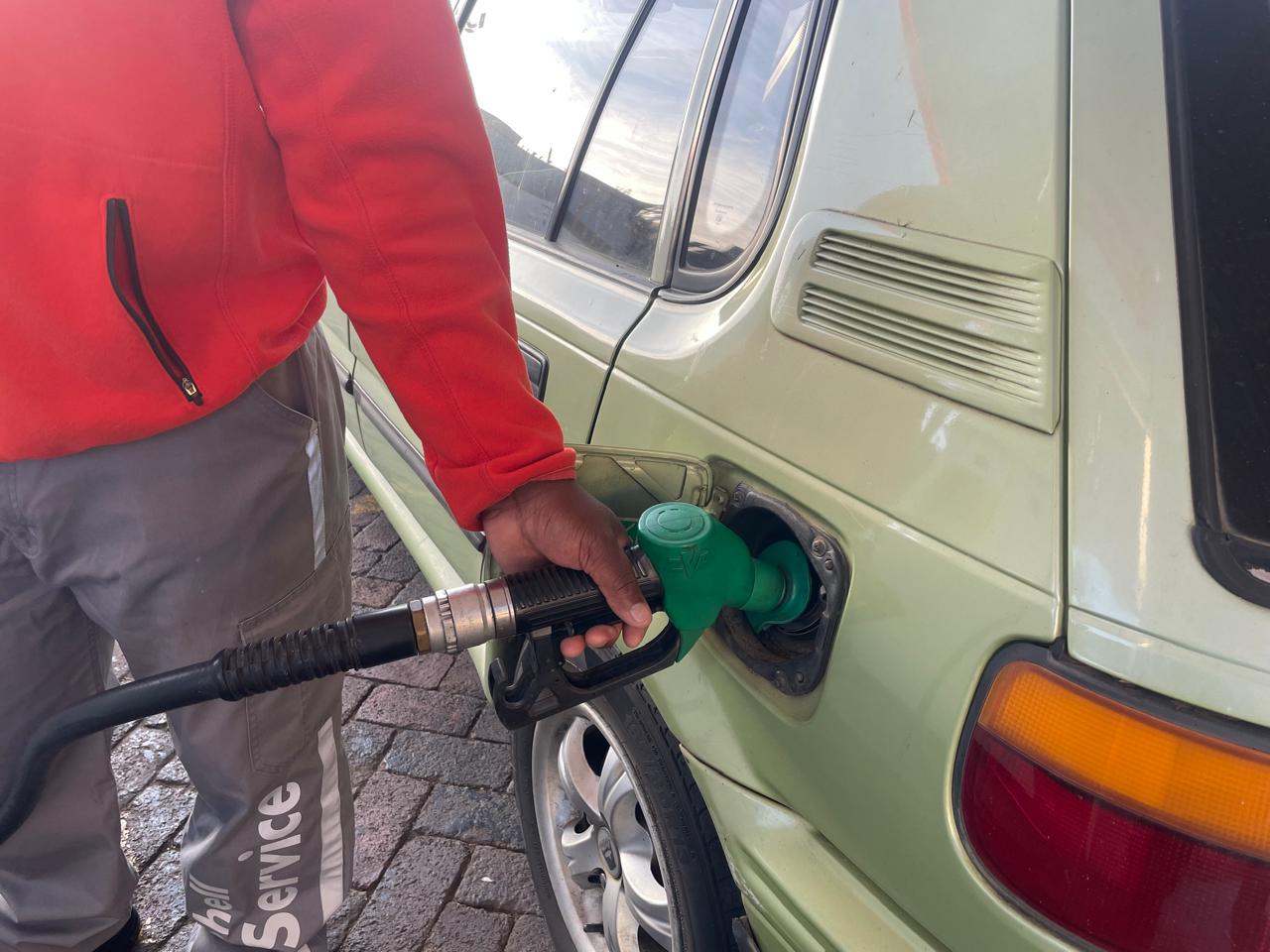
The South African government has announced an extension and restructuring of its temporary fuel levy relief measures, as sustained conflict in the Middle East continues to drive global oil prices higher and squeeze household budgets at home.
In a statement released on Tuesday 28 April, National Treasury confirmed the extension and expansion of its short-term fuel price relief measures through to the end of June 2026. The relief – originally introduced on 1 April following a joint announcement by the Minister of Finance and the Minister of Mineral and Petroleum Resources – will be phased out gradually before the general fuel levy returns to standard rates on 1 July.
How we got here
On 31 March, the two ministers announced a temporary reduction in the general fuel levy of R3 per litre, effective from 1 April to 5 May, to provide short-term relief to households facing rising fuel costs linked to the Middle East conflict. The measure was designed to be fiscally neutral, with mechanisms in place to recoup foregone revenue within the 2026 Budget’s fiscal framework.
With the conflict showing no signs of resolution, global oil prices have remained stubbornly elevated, raising alarm over inflation and the broader impact on economic growth – prompting National Treasury to act.
What’s been announced
The relief is structured in two phases.
From Wednesday 6 May to Tuesday 2 June, the R3 per litre reduction in the general fuel levy for petrol will remain in place, keeping the petrol levy at R1.10 per litre. For diesel, where significant price spikes are anticipated, the relief has been deepened by a further 93 cents – bringing total diesel relief to R3.93 per litre and effectively reducing the diesel general fuel levy to zero.
From Wednesday 3 June to Tuesday 30 June, the relief is halved to phase out the cuts before July:
Petrol relief drops from R3.00 to R1.50 per litre, lifting the levy from R1.10 to R2.60 per litre.
Diesel relief drops from R3.93 to R1.96 per litre, lifting the levy from R0.00 to R1.97 per litre.
From 1 July, the general fuel levy returns to its standard rates of R4.10 per litre for petrol and R3.93 per litre for diesel. The Slate levy on both fuels will also be adjusted for May, in line with the Self-Adjusting Slate mechanism, to accommodate importer under-recoveries.
The fiscal picture
The total estimated cost of the temporary fuel levy relief from April through June is R17.2 billion in foregone tax revenue. National Treasury has confirmed the measure is revenue neutral, funded through a combination of higher-than-expected tax revenue and underspending, with no impact on the fiscal framework adopted by Parliament following the 2026 Budget.
The Department of Mineral and Petroleum Resources has also initiated a review of the fuel price formula, the outcome of which will shape how fuel prices are regulated going forward.
The reality at the pump
Despite the relief, South Africans are still facing meaningful fuel price increases in May. Late-month data from the Central Energy Fund (CEF) points to an under-recovery of R1.76 per litre for 93 Unleaded and R2.09 per litre for 95 Unleaded – translating to a projected petrol price increase of approximately R1.85 per litre on average.
With the R3 levy reduction maintained, 95 Unleaded is expected to retail at around R24.38 per litre at the coast and R25.21 in Gauteng, where 93 Unleaded is projected at approximately R25.10 per litre.
The diesel outlook is more concerning. Wholesale prices are projected to rise to around R29.82 at the coast and R30.58 in Gauteng, with unregulated retail margins potentially pushing pump prices to between R23 and R33 per litre – increases that will ripple through logistics, agriculture, transport and the broader cost of living. Still, the outcome is a marked improvement on the R10-plus per litre increases some analysts had flagged before the levy relief was confirmed.
What’s driving the pressure
The rand’s relative stability through April has offered limited reprieve, with volatile international oil prices responsible for the bulk of South Africa’s fuel price challenge. Brent Crude traded above $100 per barrel for much of March, underpinned by the Middle East conflict and supply disruption concerns. Prices briefly dipped below $94 per barrel around mid-April after a US-Iran ceasefire agreement led traders to factor in a possible reopening of the Strait of Hormuz – one of the world’s most critical oil shipping lanes. With the broader conflict unresolved, however, that relief proved short-lived.
Industry welcomes relief – but calls for more
The Motor Industry Staff Association (MISA) welcomed the extension, describing the suspension of the diesel general fuel levy as “a positive step that will ease pressure on workers, businesses and the transport sector.” But the union was quick to flag a critical gap: the exclusion of illuminating paraffin users.
Paraffin prices are expected to rise by R5 or more per litre in May, hitting South Africa’s poorest households – who depend on it for cooking, heating and lighting – hardest as winter approaches.
“This relief is welcome, but it cannot ignore the poorest of the poor. Families who rely on paraffin are being left behind. Government must urgently extend relief to paraffin users, or risk deepening inequality and hardship,” said Martle Keyter, MISA’s Chief Executive Officer: Operations.
MISA has also called for the fuel pricing mechanism review to be open, transparent and participatory, and urged the private sector to commit to a moratorium on retrenchments. “Protecting workers and households must be the cornerstone of South Africa’s response to global instability,” Keyter added.
Looking ahead
With levy rates set to return to normal in July, much depends on the outcome of the Department of Mineral and Petroleum Resources’ formula review — and whether global oil markets will have stabilised by then. For now, the extended relief offers a degree of breathing room for motorists and businesses alike, even as millions of South Africans who rely on paraffin remain without support.