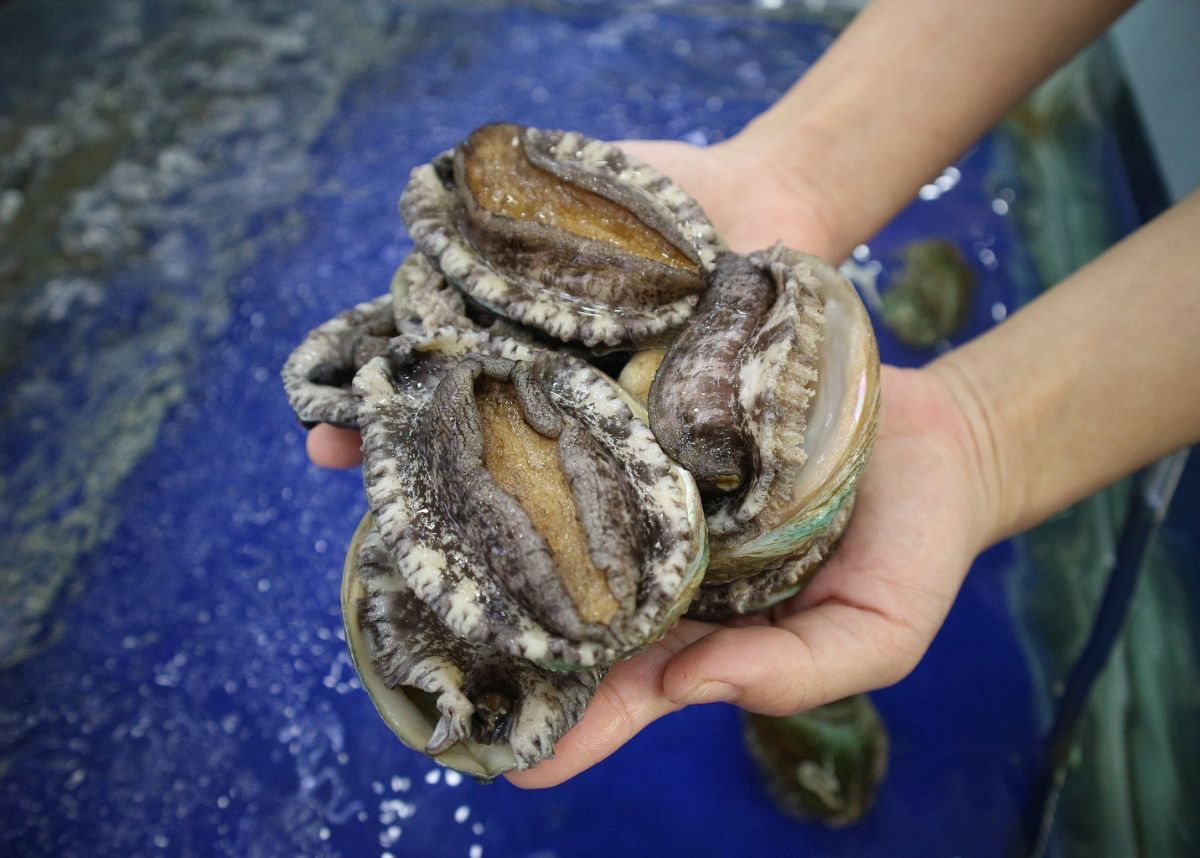
City of Cape Town metro police seized 489 unshucked abalone from two suspects in Gordon’s Bay this week, marking the third major bust along the Western Cape coastline in just six weeks.
The arrests followed a community tip-off and come after separate seizures of 502 abalone in Camps Bay and 90kg of the marine mollusc in Fish Hoek during July.
The repeat operations have exposed the persistent threat of abalone poaching along the province’s coastline and the organised criminal networks driving the illegal trade.
Criminal networks target marine heritage
Benedicta van Minnen, DA Western Cape spokesperson on police oversight and community safety, said the seizures demonstrate what capable local law enforcement can achieve with proper resources and community cooperation.
“But arrests are only the beginning. We need investigations that lead to prosecutions, convictions and the disruption of the criminal networks behind these crimes,” Van Minnen said.
She added that municipal law enforcement must be given greater powers and capacity to investigate crimes occurring in local communities.
Dave Bryant, DA Western Cape spokesperson on local government, environmental affairs and development planning, said each poached abalone represents another piece of marine heritage stripped from the coastline.
“These repeated seizures show that we cannot rely on occasional enforcement operations. Safeguarding our coastal ecology requires continuous frontline enforcement, environmental oversight and active community cooperation,” Bryant said.
ALSO READ: Two arrested for abalone poaching in premier marine reserve
Billions lost to organised syndicates
Abalone poaching in South Africa has evolved from opportunistic crime into a sophisticated criminal enterprise over the past two decades. The industry is driven by international demand, particularly from Asian markets where dried abalone can fetch premium prices.
A parliamentary briefing in April heard that poaching is linked to organised crime syndicates, local gangsterism and broader socio-economic pressures in coastal communities.
In May, two coordinated operations near Simon’s Town and Grabouw resulted in the seizure of more than 8 600 units of shucked abalone with an estimated street value of R1.6 million. In August, police recovered 9 439 units of dried abalone at a storage facility in Brackenfell, arresting two foreign nationals aged 36 and 49.
ALSO READ: Organised gangs strip protected reefs whilst understaffed department faces resource crisis
The Department of Forestry, Fisheries and the Environment set the total allowable catch for abalone at just 12.01 tonnes for 2025/26 due to scientific evidence of resource collapse.
Law enforcement authorities and environmental groups have called for specialised environmental courts and stronger sentencing to dismantle the criminal networks profiting from the illegal trade.
The DA said it will continue advocating for stronger local enforcement, better intergovernmental cooperation and greater powers for capable municipalities to protect the Western Cape’s coastal resources.
ALSO READ: More than 7 000 abalone seized in Hermanus, while poachers roam freely in Pearly Beach