

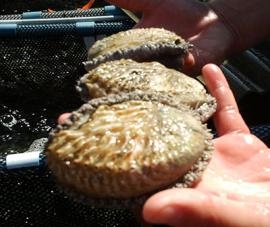
Two suspects have been arrested for the illegal possession of 1 000 units of abalone in the Tsitsikamma Marine Protected Area, highlighting the persistent threat of poaching in one of South Africa’s premier conservation destinations.
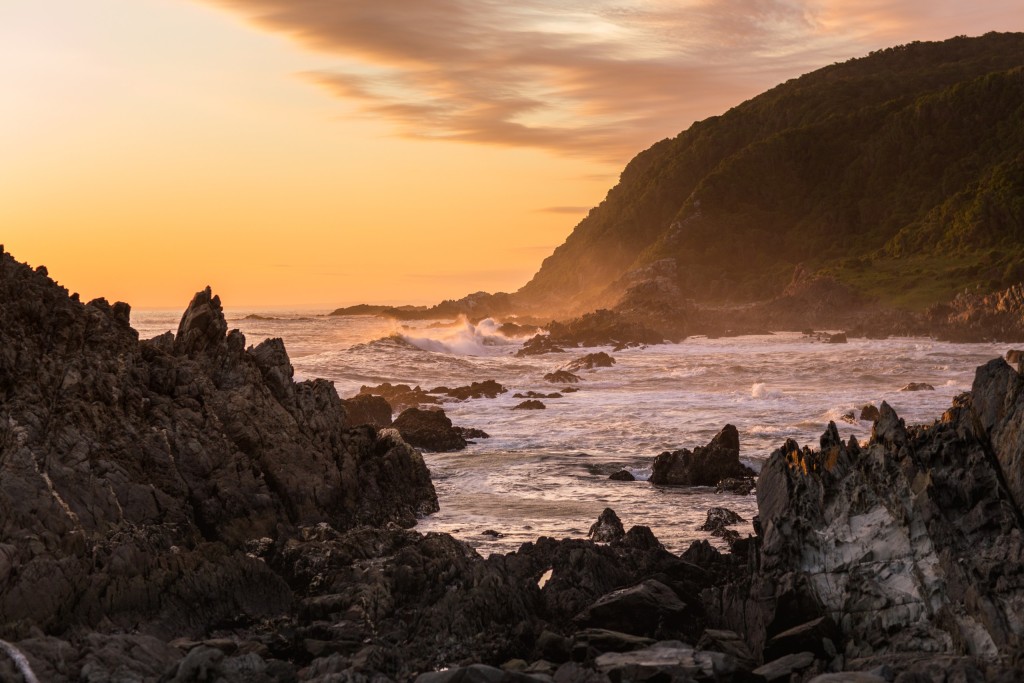
The arrests on Monday, 14 April, occurred in the vicinity of the western side of the Bloukrans River, near the Clinton area, during a routine patrol conducted by South African National Parks rangers.
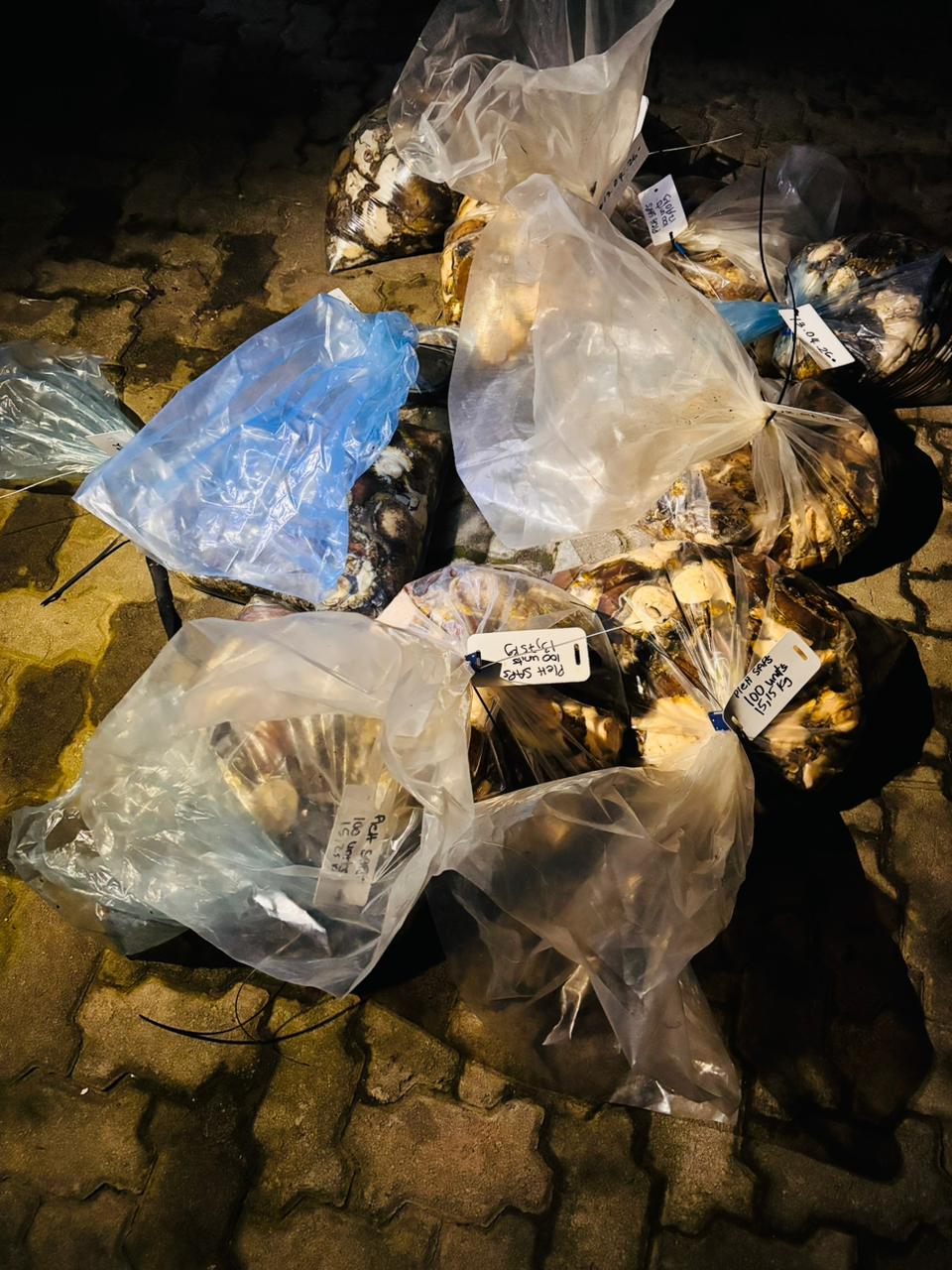
Rangers discovered several bags concealed underneath trees. Upon inspection, the bags contained fresh abalone. A section ranger was immediately informed, and an observation post was established in the vicinity of the hidden bags, SANParks said.
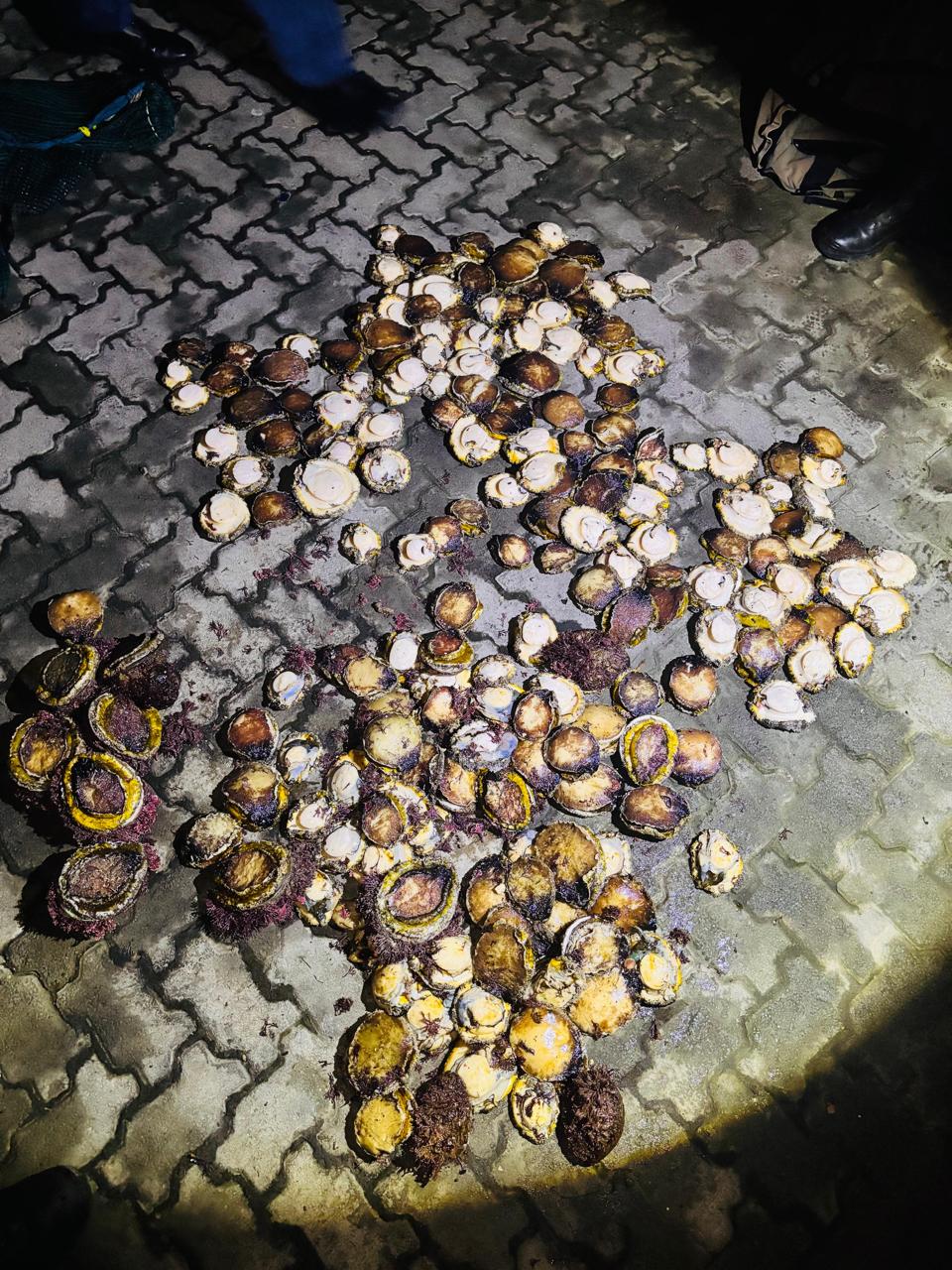
A group of suspects returned to the site to retrieve the abalone. Rangers moved in and successfully apprehended two individuals, while 11 others fled the scene. A follow-up foot patrol, supported by drone operations, was conducted to secure the surrounding area. During this operation, additional bags of abalone and diving equipment were recovered.
In total, 1 000 units of abalone were confiscated. This included 993 units of shucked abalone weighing 142,95 kg, and seven units in-shell weighing 1,35 kg, bringing the combined weight to 144,3 kg.
The two suspects have been charged under the Marine Living Resources Act for possession of abalone without a permit.
The incident has drawn attention to the vulnerability of protected marine areas to organised poaching operations. The Tsitsikamma Marine Protected Area, which spans the Western Cape and Eastern Cape border, is one of South Africa’s oldest and largest marine reserves. Established in 1964, it covers 186 km² of ocean and 60 km of shoreline.
The area is managed by SANParks as a 100% no-take zone, meaning no marine life can be removed from it. The protected status makes it a valuable site for research on endangered fish species and serves as a major tourist destination on the Garden Route.
Abalone poaching has reached crisis levels in South Africa, driven by organised crime and high demand in international markets. The illegal trade has been estimated to be worth at least $60 million annually, with poachers taking an average of 2 000 tons per year, approximately 20 times the legal amount.
ALSO READ: More than 7 000 abalone seized in Hermanus, while poachers roam freely in Pearly Beach
Wild abalone populations have collapsed to less than 2% of pristine levels, according to updated assessments. The Total Allowable Catch for the 2025/26 season has been set at just 12,01 tons, reflecting the severity of the stock depletion.
Discussions are underway regarding a CITES listing for abalone, which could provide additional international protection for the species.
The Tsitsikamma Marine Protected Area was established specifically to protect marine habitats and wildlife in near-pristine condition. The breach of such a high-profile conservation area demonstrates the scale and audacity of poaching syndicates operating along the South African coast.
ALSO READ: Abalone poaching disrupted along Tsitsikamma Marine Protected Area



You must be logged in to post a comment.