As South Africa enters the peak of its winter influenza season, health authorities are closely monitoring a rise in flu cases across several provinces, including infections linked to the influenza A(H1N1)pdm09 strain, previously known as “swine flu”.
In a statement issued on Tuesday (26 May), the National Institute for Communicable Diseases (NICD) and the National Department of Health assured the public that the strain is now regarded as one of the regular seasonal influenza viruses that circulate annually.
According to the NICD, this year’s flu season also includes cases of influenza A(H3N2) and influenza B.
“Influenza A(H1N1)pdm09 is now recognised globally as one of the regular seasonal influenza strains that circulate each year and management is the same as for other seasonal influenza strains,” the institute said.
Health officials explained that most healthy individuals experience mild to moderate illness that can be managed at home with rest, fluids and over-the-counter medication. Common flu symptoms include fever, cough, sore throat, headaches, muscle and body aches, fatigue, as well as a runny or blocked nose.
The NICD said many people recover fully within a few days to a week without needing hospitalisation or antiviral treatment.
However, authorities warned that certain groups remain at higher risk of developing severe illness or complications. These include pregnant women, older persons, young children and people with underlying medical conditions such as HIV, tuberculosis (TB), diabetes, heart disease, asthma or chronic lung disease.
The institute urged high-risk individuals to seek medical care early if they develop flu symptoms, especially if they experience breathing difficulties, chest pain, dehydration, persistent fever or worsening illness. The NICD also reiterated the importance of annual influenza vaccinations.
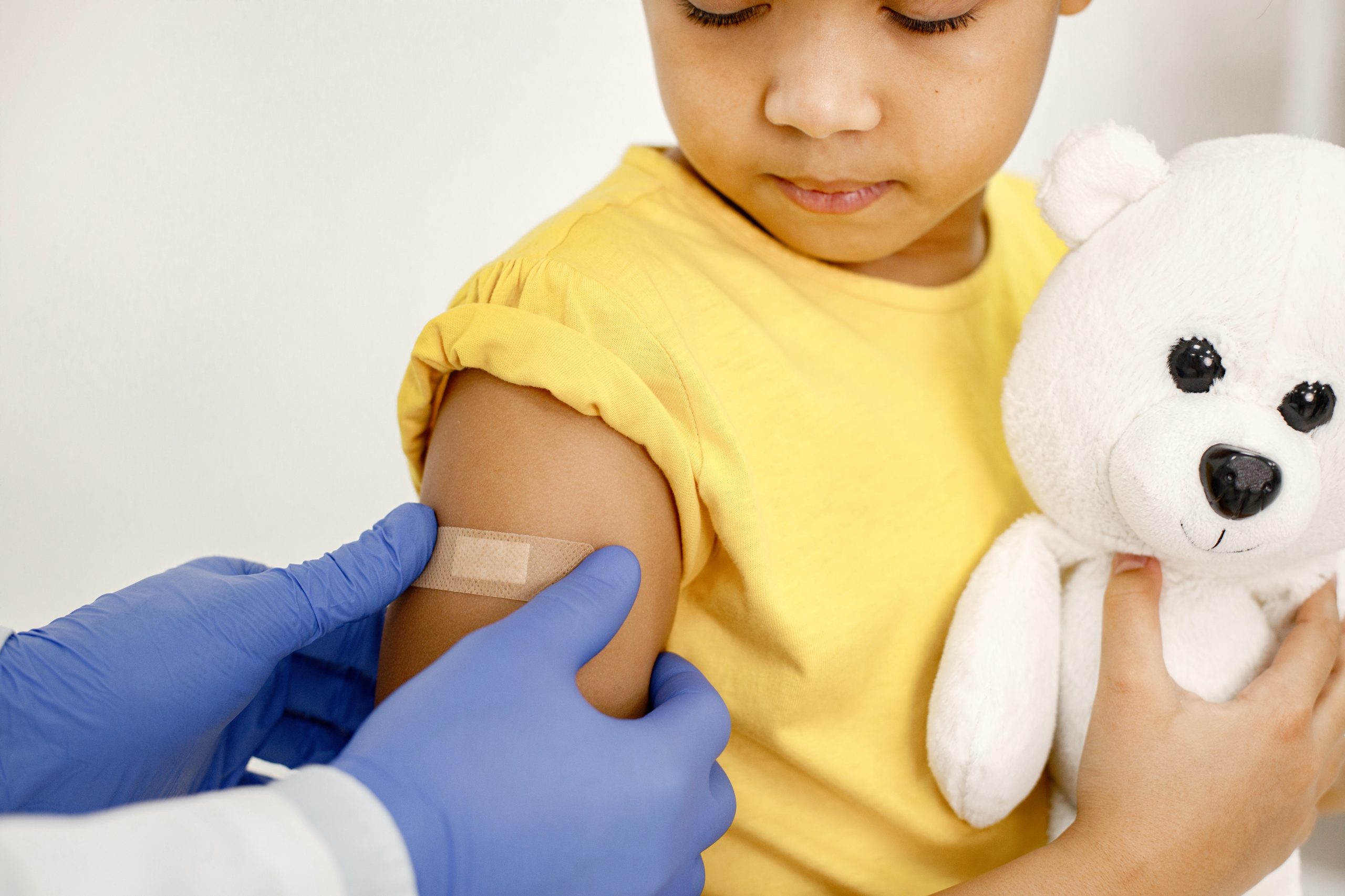
“The NICD continues to strongly recommend annual influenza vaccination as the most effective way to reduce the risk of severe disease and hospitalisation,” the statement read. Vaccination is encouraged for vulnerable groups and healthcare workers.