
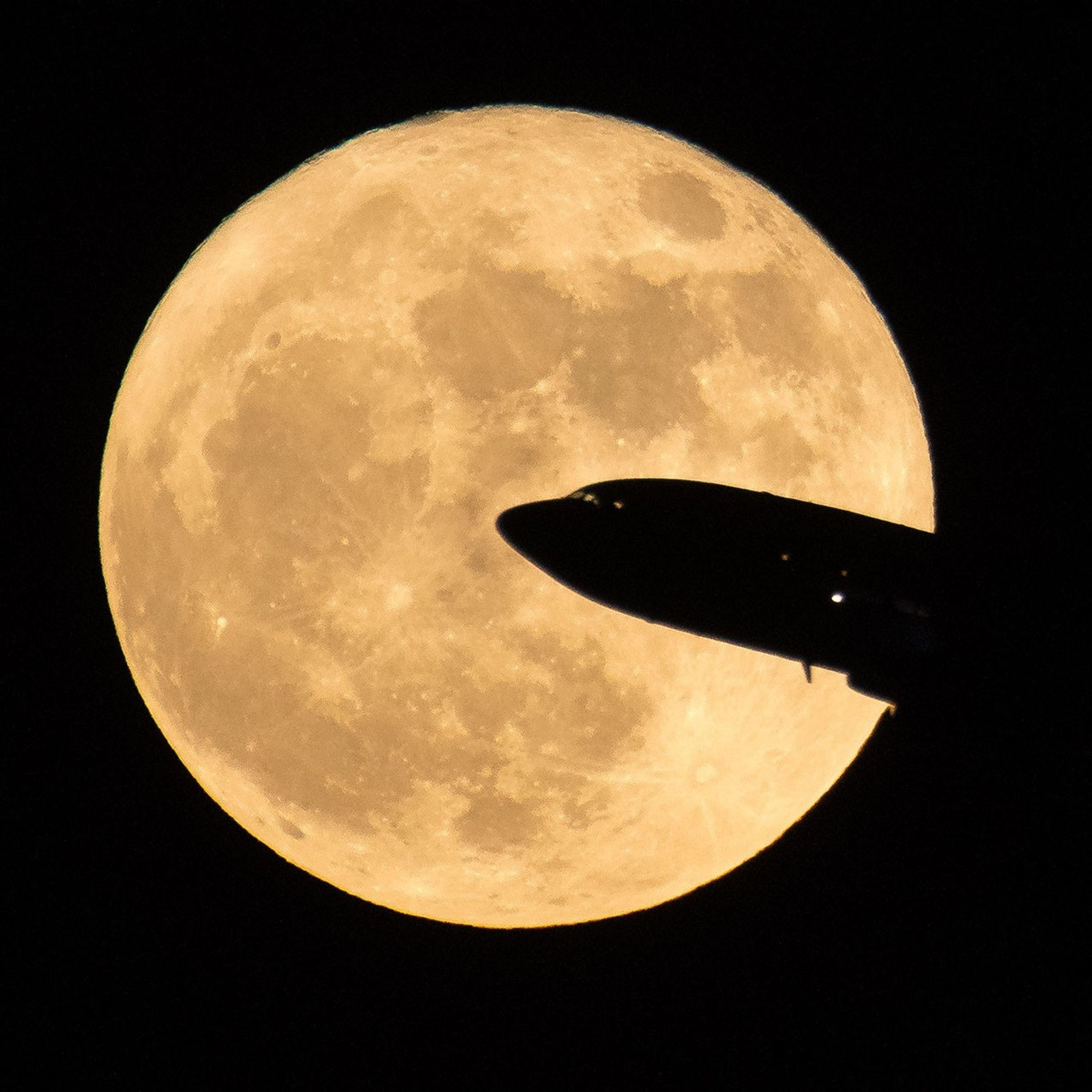
Stargazers across South Africa have a prime opportunity to witness the Beaver Supermoon on Tuesday evening, 24 November, provided local weather conditions cooperate.
According to the Wits Anglo American Digital Dome, the moon officially reaches its peak full-moon phase at 16:53 South African Standard Time (SAST). Because this occurs while the moon is still below the horizon across the country, skywatchers will need to wait until local moonrise to catch the spectacle. Despite rising a few hours after its exact peak, the lunar disc will still appear completely full throughout the night.
Regional viewing times and weather outlook
Because moonrise times vary significantly depending on geographical location, residents are advised to check their local schedules rather than relying on a single nationwide time.
In Pretoria, the moon is scheduled to rise at 18:49, roughly 10 minutes after sunset. While the South African Weather Service issued severe thunderstorm warnings across central and eastern parts of South Africa for Monday and Tuesday, forecasters expect most of the storm activity to clear by Tuesday evening, giving Pretoria residents a solid chance to see the rising moon if clouds break over the city.
ALSO READ: Anderkant die Rio Acre praat hulle Spaans
Meanwhile, skywatchers in Cape Town will have a slightly later wait, with moonrise listed at approximately 19:53, exactly three hours after the moon reaches its fullest phase. In both cities, and across the country, the moon will emerge towards the east-northeast before tracking across the northern sky later in the evening.
What Makes It a “Supermoon”?
A supermoon occurs when a full moon coincides with perigee—the point in the moon’s elliptical orbit where it comes closest to Earth. This proximity causes the moon to appear slightly larger and noticeably brighter than a typical full moon.
According to NASA and astronomy reports, tonight’s event marks the beginning of a three-part celestial sequence, with consecutive supermoons set to follow in December 2026 and January 2027. Traditionally, November’s full moon is referred to as the “Beaver Moon.” The Old Farmer’s Almanac traces the name back to North American traditions, noting it coincides with the time of year when beavers actively prepare their lodges for the approaching winter.
Tips for the best view
For those hoping to catch the supermoon tonight, astronomy experts recommend finding a viewing location with a clear, unobstructed view of the east-northeastern horizon, well away from tall buildings or dense trees.
Try to spot the moon shortly after your local moonrise, as Earth’s atmosphere scatters its light when it sits low on the horizon, often giving it a striking, warm orange or golden hue. Furthermore, the “moon illusion”—a well-known optical effect—will make the low-hanging moon appear dramatically larger to the human eye, enhancing the visual impact of the supermoon.
ALSO READ: Four astronauts complete first crewed Moon mission in 50 years
You do not need any special equipment to enjoy the event, though a standard pair of binoculars can be a great optional addition for examining craters, lunar surface details, and the surrounding night sky. Finally, if lingering storm clouds obscure the initial moonrise in your area, be patient and check back later in the evening as skies continue to clear.