

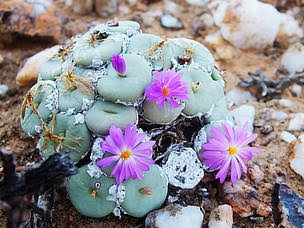
Succulent poaching has escalated into an environmental crisis threatening South Africa’s biodiversity hotspots, with nine rare plants driven to extinction in the wild in the Western Cape since 2020.
Dave Bryant, chairperson of the Standing Committee on Local Government, Environmental Affairs and Development Planning, described the situation as a growing crisis particularly affecting regions such as Namaqualand and the Karoo.
“Rare and slow-growing species are increasingly targeted by illegal collectors and traffickers, driven by global demand for ornamental plants,” Bryant said. “This trade threatens not only individual species, but entire ecosystems that rely on these plants for ecological balance.”
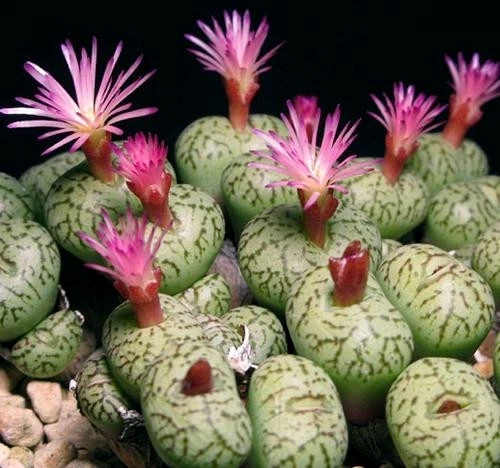
The Western Cape’s Knersvlakte Nature Reserve, one of only 36 global biodiversity hotspots, has witnessed devastating losses. Seven species and two subspecies of Conophytum, indigenous succulents unique to the region, have been poached to extinction in the wild since 2020.
Enforcement authorities have seized more than 2.5 million illegally harvested plants since 2018, yet the crisis continues to worsen. Some Conophytum species have experienced population declines of 40% to 85%, plummeting from “Least Concern” to “Critically Endangered” status in under a decade.
About 50% of plant life at Knersvlakte is endemic, meaning it exists nowhere else on Earth. The loss of these species represents irreplaceable biodiversity that cannot be recovered.
Bryant identified sophisticated poaching networks as a major enforcement challenge. These operations involve local harvesters, coordinated middlemen and international distribution channels, making intervention extremely difficult in remote areas with limited resources.
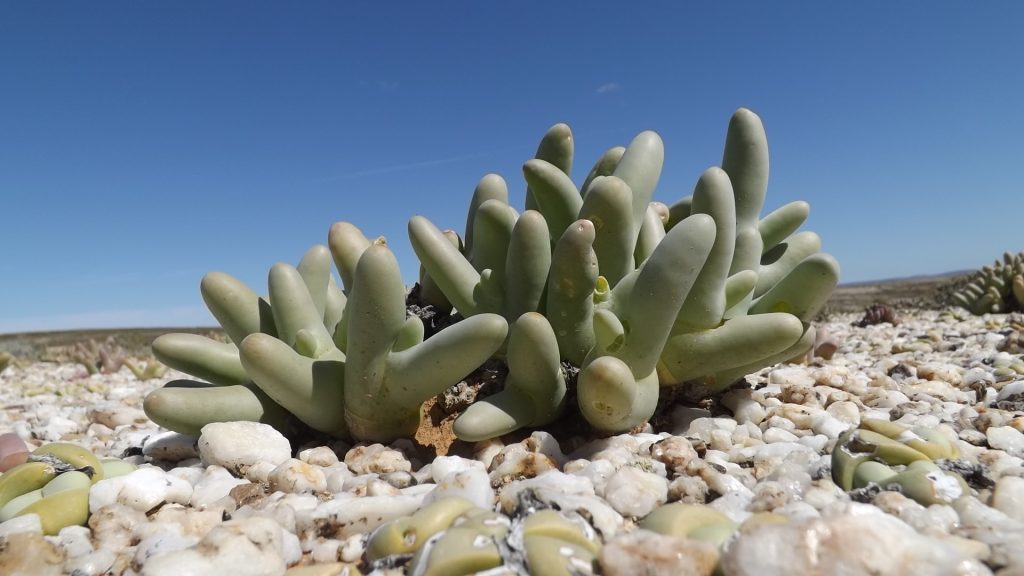
Demand from e-commerce markets in Asia and Eastern Europe drives the illegal harvesting, with transnational criminal syndicates trafficking plants internationally.
The slow growth rate of many succulents compounds the problem. Once populations are removed, recovery can take decades, if it occurs at all.
“Addressing this crisis requires a coordinated and multi-layered response,” Bryant said. “Law enforcement must collaborate closely with conservation authorities to improve surveillance, intelligence gathering and prosecution.”
He called for international cooperation to disrupt cross-border trade and regulate online marketplaces, alongside intelligence-driven investigations, specialised environmental crime units and stronger border security.
ALSO READ: Nine rare plant species poached to extinction in Western Cape since 2020
Public awareness and community involvement remain critical components of the solution. Local communities need sustainable economic alternatives, whilst global consumers require education about the consequences of buying illegally sourced plants.
“Ultimately, protecting succulent biodiversity depends on a unified approach—combining enforcement, education, community support and global collaboration,” Bryant said. “Only through coordinated action can we ensure these unique and fragile species are preserved for future generations.”
Conservation authorities have recommended expanding local youth conservation programmes and restoring ecosystems through partnerships between municipalities, conservation bodies and communities.
The crisis threatens not only environmental sustainability but also economic development, natural heritage and local livelihoods dependent on the region’s unique biodiversity.
ALSO READ: Western Cape cracks down on biodiversity crime as protected species face growing threat


You must be logged in to post a comment.