

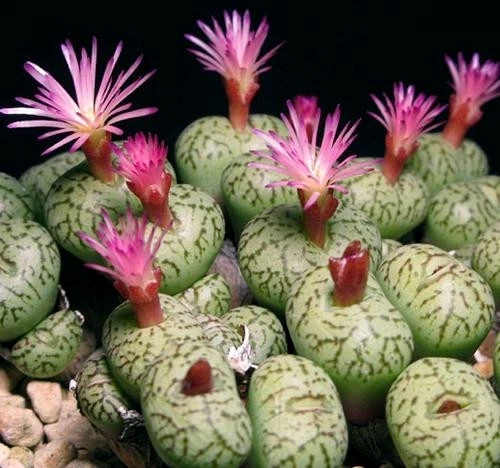
Criminal syndicates have led to the extinction of nine indigenous succulent species in the wild at the Knersvlakte Nature Reserve since 2020, prompting calls for intensified enforcement action against illegal plant trafficking networks.
The Democratic Alliance in the Western Cape has called for stronger action against transnational criminal syndicates following an oversight visit to the reserve, which sits within one of only 36 global biodiversity hotspots.
Irreplaceable biodiversity lost to trafficking networks
Seven species and two subspecies from the Conophytum genus have been completely eliminated from the wild through illegal harvesting to supply e-commerce markets in Asia and Eastern Europe. The genus has experienced catastrophic population collapses, with 40% to 85% of species declining from “Least Concern” to “Critically Endangered” in less than a decade.
Roughly 50% of the plant life at Knersvlakte exists nowhere else on Earth.
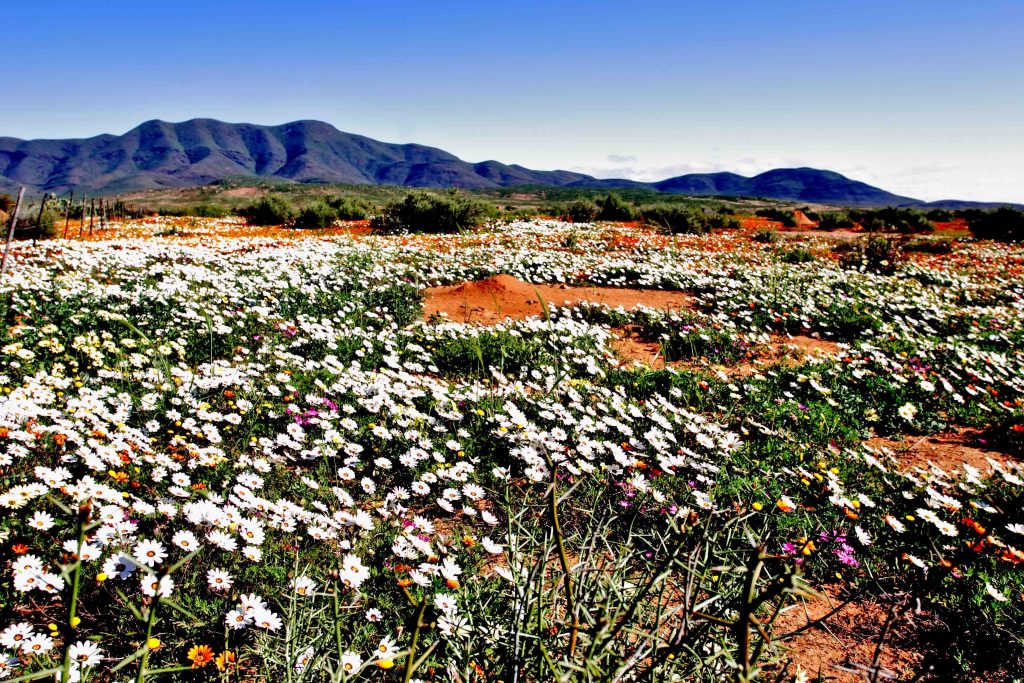
More than 2.5 million plants seized since 2018
Since 2018, enforcement authorities have seized more than 2.5 million illegally harvested plants and disrupted numerous trafficking operations. Despite these efforts, the scale of poaching continues to threaten one of the world’s most unique biodiversity hotspots.
Dave Bryant, DA Western Cape spokesperson on local government, environmental affairs and development planning, said the province faces organised criminal networks stealing natural heritage and threatening economic opportunities for local communities.
“Our response must be clear: we must catch those responsible, secure convictions against environmental criminals, and clean up the damage they leave behind,” Bryant said.
Local partnerships key to ecosystem restoration
The DA has called for increased investment in intelligence-driven investigations, specialised environmental crime units, border security and inter-agency cooperation to identify and dismantle criminal syndicates.
The party also supports expanding youth conservation programmes to build local ownership whilst creating jobs and protecting natural assets. Municipalities, conservation authorities and local communities are being urged to work together to restore ecosystems damaged by poaching operations.
The Knersvlakte Nature Reserve remains a critical biodiversity asset, with criminal activity threatening both environmental sustainability and economic development across the West Coast region.
ALSO READ: Western Cape cracks down on biodiversity crime as protected species face growing threat


You must be logged in to post a comment.