


The Western Cape has achieved a conservation milestone by adding 47,000 hectares to its protected areas network through the declaration of two brand-new nature reserves and the significant expansion of two existing ones.
This massive expansion creates crucial breeding space for the endangered Cape mountain zebra while strengthening protection for numerous threatened plant, mammal and bird species across the province.
The conservation boost comes through four strategic additions: expansions to the existing Anysberg Nature Reserve in the Karoo and the Knersvlakte Nature Reserve in Namaqualand, which together add 41,000 hectares. Two entirely new reserves – Waterkloof near Ladismith and Zebraskop in the Klein Karoo’s Gamkaberg area – contribute an additional 6,000 hectares.
All four projects were made possible through land purchases by WWF South Africa, using funds raised by the Leslie Hill Succulent Karoo Trust and other conservation partners.
“This is a significant step for protected area expansion in the Western Cape,” said Dr Ashley Naidoo, CEO of CapeNature. “By expanding and connecting protected areas, together we are conserving some of the world’s most threatened plants and animals and supporting the long-term survival of the Cape mountain zebra.”
The new reserves don’t just add space – they create vital wildlife corridors that allow animals to move freely between protected areas. This landscape connectivity is increasingly recognised as essential for conservation success, particularly as climate change puts additional pressure on wildlife habitats.
Jan Coetzee, WWF South Africa’s Landscape Manager for the Cape Floral Region, emphasised the collaborative effort behind the achievement: “Securing these critical areas for future generations is a big win for conservation, the province, and its people. It’s only possible through strong partnerships with key donors, conservation organisations, legal experts, and provincial authorities.”
What each reserve brings
Anysberg Expansion: The 6,918-hectare expansion protects 14 different vegetation types, including five that were previously unrepresented in any protected area. The expanded reserve now provides sanctuary for around 180 bird species, several antelope species, aardvarks, leopards, Cape mountain zebras and the critically endangered riverine rabbit.
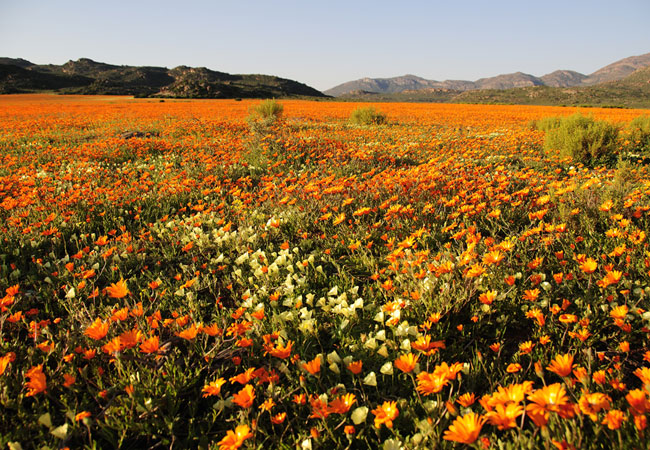
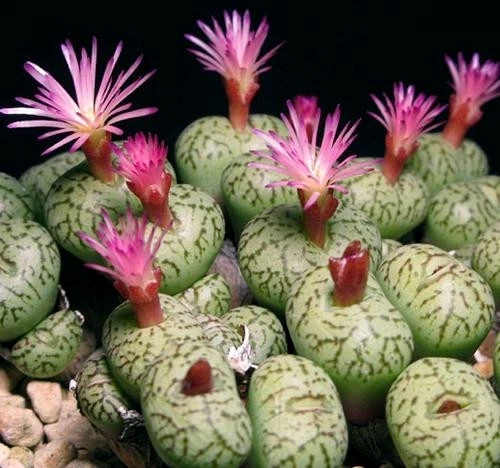
Knersvlakte Expansion: At 34,084 hectares, this represents the largest single addition since the reserve’s establishment in 2014. The expansion protects nine additional vegetation types in the globally recognized Succulent Karoo biodiversity hotspot, an area under increasing pressure from illegal plant harvesting and mining activities.
Zebraskop Nature Reserve: This 3,952-hectare reserve specifically targets Cape mountain zebra conservation, providing essential lowland habitat that could double the genetically important Gamkaberg zebra population. Three zebras from Kammanassie Nature Reserve have already been relocated here.
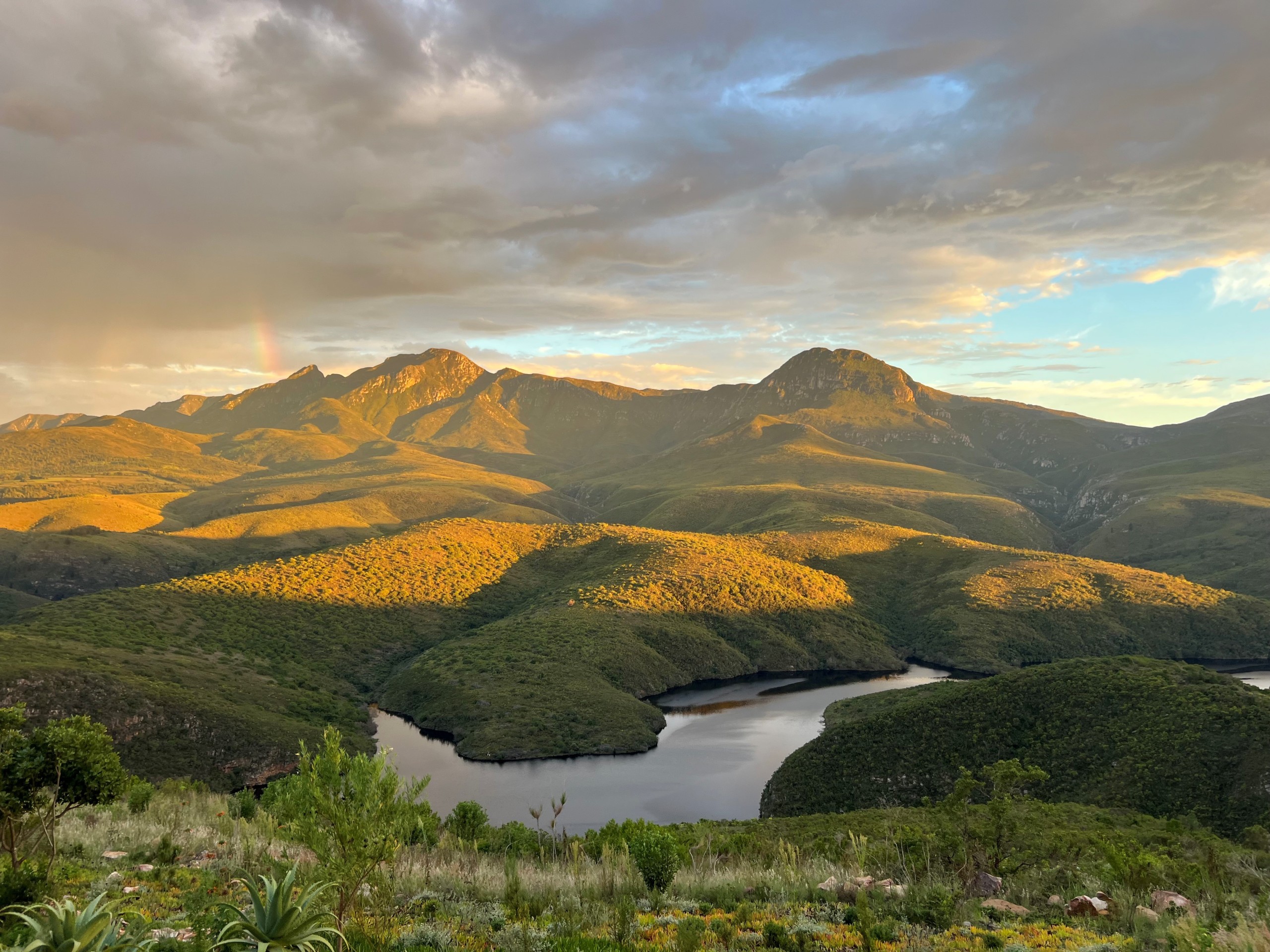
Waterkloof Nature Reserve: Covering 2,062 hectares in the Klein Swartberg Mountain catchment, this reserve protects a critical water source for Ladismith and surrounding communities while safeguarding seven vegetation types, including one classified as endangered.
The declarations contribute significantly to South Africa’s ambitious target of conserving 30% of its land and marine areas by 2030 – part of the United Nations’ global conservation framework.
Beyond the numbers, these reserves represent a practical approach to conservation that recognizes the interconnected nature of ecosystems and the importance of creating protected networks rather than isolated pockets of wilderness.
For the Western Cape’s unique and threatened species – from miniature succulents to majestic Cape mountain zebras – these expanded protected areas offer hope for long-term survival in an increasingly challenging world.
ALSO READ: Explore Cape’s natural beauty this Heritage Day – for free!


You must be logged in to post a comment.