

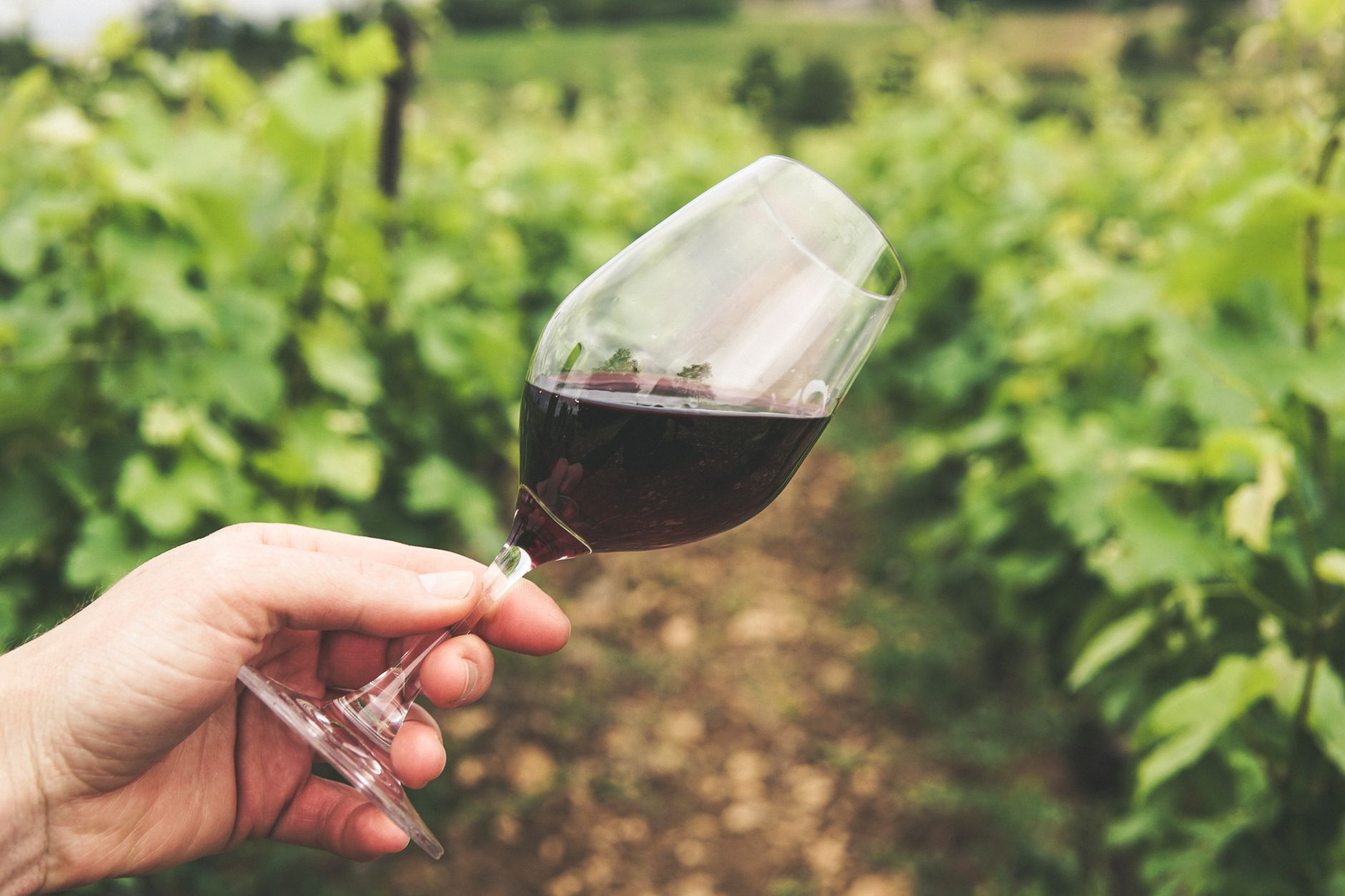
CAPE TOWN – South African winemakers are repositioning Merlot as a premium varietal through careful site selection and precision viticulture.
Merlot accounts for roughly 6% of South Africa’s wine grape plantings and 13% of red varieties. The industry sells around 6.5 million litres annually, according to South African Wine Industry Information & Systems.
Steenberg Vineyards recently earned a Platinum Medal at the 2026 Decanter World Wine Awards. The estate also won Merlot of the Year at the 2026 London Wine Competition.
Elunda Basson, cellarmaster at Steenberg Vineyards, says the industry underestimates Merlot despite its potential. Some of the world’s most celebrated wines feature the varietal.
“A greater focus on provenance and vineyard expression is revealing its complexity, structure and ageing potential,” Basson says.
Site selection determines quality
Basson says site selection plays a critical role in premium Merlot production. The varietal responds strongly to its environment.
Cool sites can compromise ripeness while warm sites can reduce freshness. The best examples balance both elements.
Steenberg uses carefully selected east-facing vineyard blocks in Constantia. The maritime climate moderates temperatures while morning sun encourages slow, even ripening.
This approach builds flavour, colour and tannin while preserving freshness. The vineyard sites result from years of refinement.
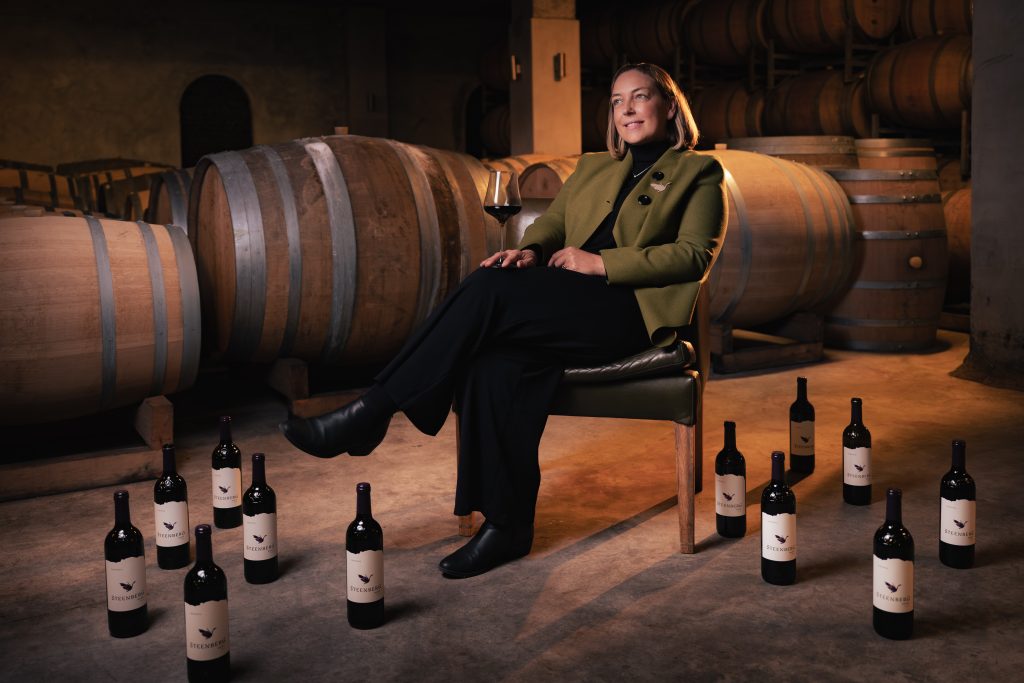
Viticulturist Vlok Hanekom says hundreds of decisions throughout the growing season create great Merlot. The vineyard team creates the foundation for the wine style.
“Every decision, from pruning and canopy management to crop regulation and harvest timing, is aimed at achieving fruit with natural concentration, balanced acidity and fully ripe tannins,” Hanekom says.
Vineyard management shapes ripening
Merlot’s early growth cycle requires careful vineyard management. Spur pruning controls crop levels while canopy management improves airflow and sunlight exposure.
Selective leaf removal and green harvesting reduce crop load. This allows remaining fruit to achieve greater concentration and consistency.
The vineyard team uses harvest timing based on flavour, tannin maturity and acidity rather than sugar levels alone. Hanekom says complete physiological ripeness occurs when fruit, tannins and acidity balance.
Hanekom and Basson work together throughout the season. Vineyard and cellar teams align decisions on crop levels, ripening and harvest timing.
“Every vineyard decision has consequences in the cellar,” Basson says. “Vlok and I work towards the same goal. The vineyard creates the potential; the cellar preserves and refines it.”
Cellar decisions protect fruit character
The cellar team uses a partial saignée to increase the ratio of skins to juice. This enhances colour, flavour concentration and tannin structure.
The wine matures for an average of 24 months in third-fill and older French oak barrels. This adds complexity while allowing fruit and site expression to remain prominent.
Basson says structure never comes at the expense of freshness at Steenberg. Every cellar decision protects fruit purity and acidity while building depth, texture and longevity.
The resulting wine combines dark berry fruit, plum and subtle floral notes with cedar and spice. The palate delivers generous fruit without heaviness, supported by refined tannins and vibrant acidity.
Industry opportunity emerges
Hanekom says South Africa has the ingredients to produce world-class Merlot. Success requires matching the variety to appropriate sites and managing it with precision.
Constantia offers conditions suited to Merlot production. The maritime climate promotes slow, even ripening, allowing flavour development and tannin maturity to progress together.
“As viticulture evolves, so too does our understanding of what Merlot can achieve,” Hanekom says.
Hanekom says the international awards reflect years of vineyard and winemaking refinement. However, the awards represent an outcome rather than the story itself.
“The real story begins in the vineyard,” Hanekom says. “When site, viticulture and winemaking are aligned, Merlot can achieve remarkable complexity, balance and ageing potential.”
ALSO READ: Steenberg Merlot takes top honours at London wine awards


You must be logged in to post a comment.