South African consumers who invested in solar panels could face substantially higher monthly electricity charges under the government’s revised Electricity Pricing Policy, regardless of how much power they use.
The Organisation Undoing Tax Abuse (OUTA) has submitted comments to the Department of Electricity and Energy warning that the draft policy, published for public comment on 28 August, prioritises protecting revenues of Eskom and municipal distributors over affordability and consumer choice.
Wayne Duvenage, chief executive of OUTA, said the revised policy seeks to guarantee income for electricity suppliers through sharply increased, non-bypassable fixed charges on every customer connected to the grid.
“The whole point of market reform toward a diversified and competitive electricity supply industry is that incumbents may lose market share to competitors, self-generation and prosumers, to pressure the incumbents to respond by cutting costs and improving their efficiency and service,” Duvenage said.
“The revised EPP instead serves to guarantee the revenue of the incumbents come what may and shifts their business risk onto the customer.”
The revised Electricity Pricing Policy will replace a policy dating from 2008 and will guide the National Energy Regulator of South Africa in determining electricity prices and tariffs for years to come.
Fixed charges for all customers
The policy provides for fixed generation capacity, standby, network capacity, retail and subsidy charges to be levied on all customers, including residential and small commercial users. It states plainly that revenue lost when customers reduce their consumption “must still be recovered”.
OUTA said the policy contains no analysis of the affordability consequences for low-consumption households and small businesses, or of the documented consequences of high fixed charges on prepaid customers.
The organisation noted that NERSA launched a market inquiry on generation capacity, network capacity and other fixed charges in November 2025, and that the draft policy pre-empts the outcome of that inquiry.
Solar customers facing penalties
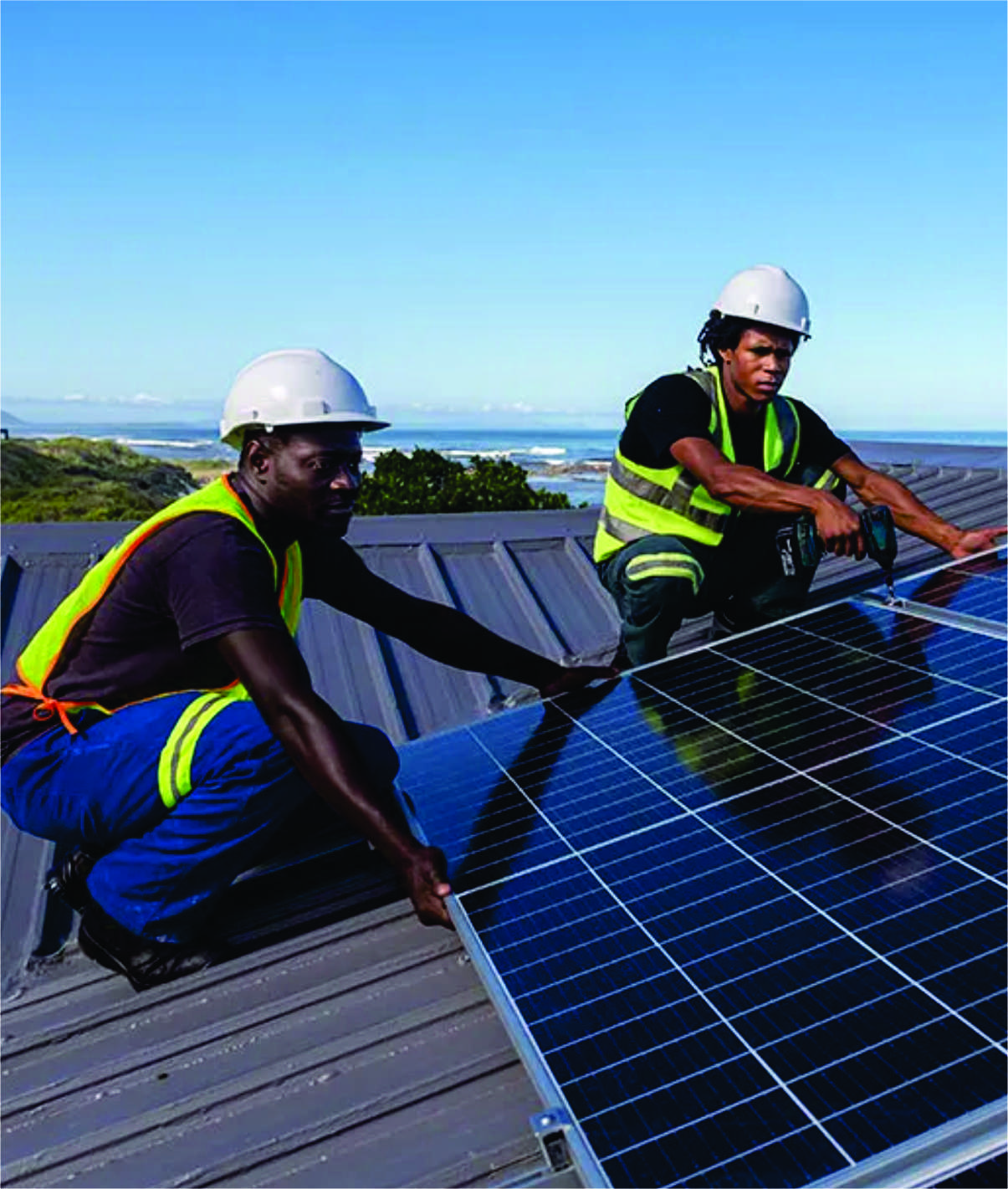
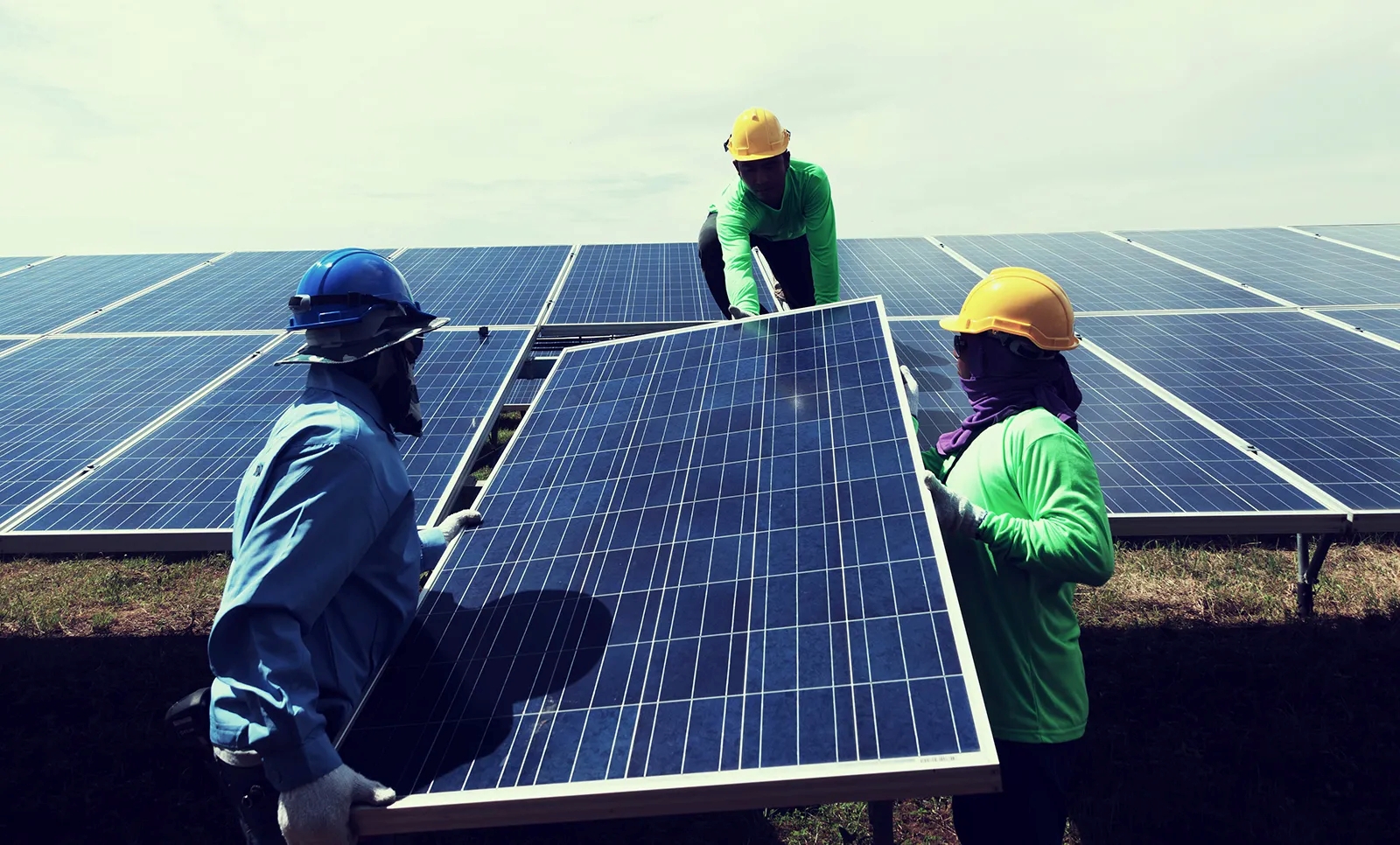
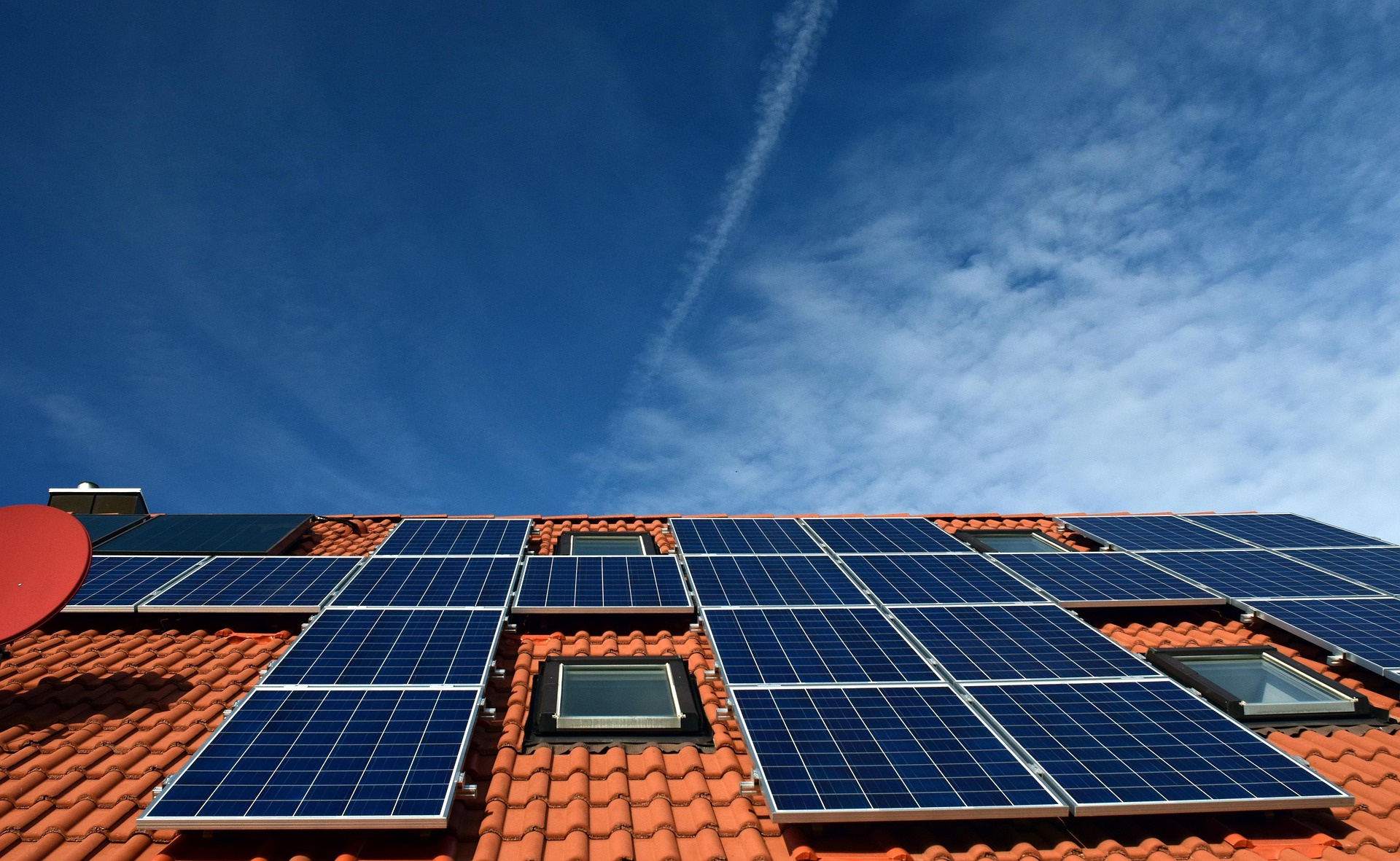
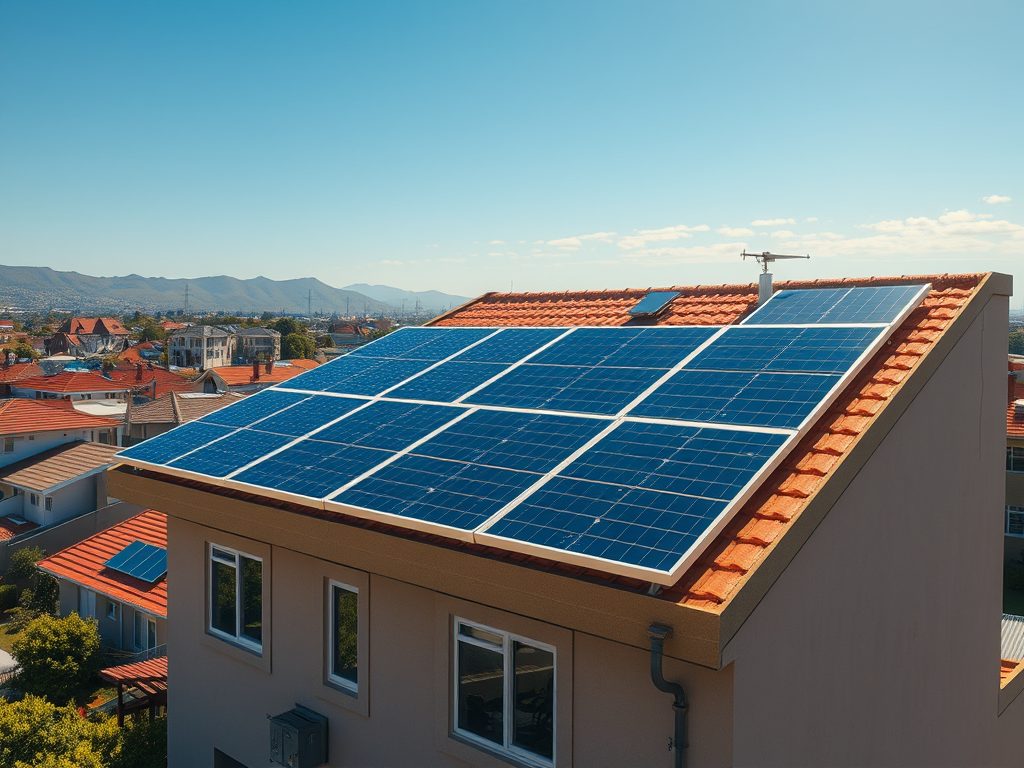
The policy proposes mandatory time-of-use tariffs for solar customers, punitive fixed charges and the forfeiture of export credits.
Behind-the-meter solar installations in South Africa have reached 9,4 GW, according to Minister of Energy and Electricity Kgosientsho Ramokgopa, adding to 7,9 GW of other renewable sources connected to the transmission system.
Behind-the-meter capacity includes residential rooftop solar as well as commercial and industrial installations. This marks a rapid increase from a few hundred megawatts in 2016.
Solar users whose systems are connected to the grid and are registered with Eskom as direct customers will be forced onto the utility’s Homeflex plan. According to power group EnergyBee, any solar user connected to Eskom’s grid will pay R670 a month before using a single watt.
Eskom said these fixed monthly fees are necessary to recover costs for maintaining infrastructure. In its annual financial report for the year ended 31 March 2026, the group said it will protect its revenue by relying on network charges, customer wheeling and revised tariff structures.
Free electricity expansion unfunded
The minister’s plan to raise free basic electricity from 50 kWh to between 200 kWh and 300 kWh a month implies an additional cost of R60-billion to R100-billion a year, but the policy is silent on where these funds will come from.
OUTA’s recommendations
OUTA recommends that costs arising from imprudent or inefficient conduct, including unauthorised, irregular, fruitless and wasteful expenditure, fraud, and the capital cost overruns of Medupi and Kusile, must not be recovered from customers.
The organisation also recommends that a customer who goes fully off-grid, following published procedures, should have no continuing liability for any monthly fixed, availability, network, capacity or levies on the supply of electricity.
“The revised EPP comes at a decisive moment. The legislative framework for an unbundled, competitive industry is in place, and the choices made in this policy will determine whether reform delivers lower costs, better service and greater choice for customers, or whether it entrenches the revenues of the incumbents behind a wall of fixed charges,” Duvenage said.
ALSO READ: Eskom extends solar registration fee waiver amid pushback
Eskom’s capacity surplus
Ramokgopa said in a parliamentary Q&A that Eskom is forecast to have a capacity surplus of between 2 GW and 3 GW over the next few years. The utility has kept load shedding at bay for more than 500 consecutive days and is running with excess capacity.
Eskom’s current net generation capacity stands at 48,5 gigawatts. The utility has averaged 68% energy availability factor in 2026, approaching but not yet consistently meeting its target of 70%.
Eskom is targeting renewable builds of 5,6 GW by 2030, 21 GW by 2035, and 32 GW by 2040 through its new Eskom Green renewable energy branch.
Between 1994 and 2024, Eskom tariffs increased by 1 722%. The group has committed not to hike tariffs by double digits going forward, but its forecasts still call for increases above inflation.