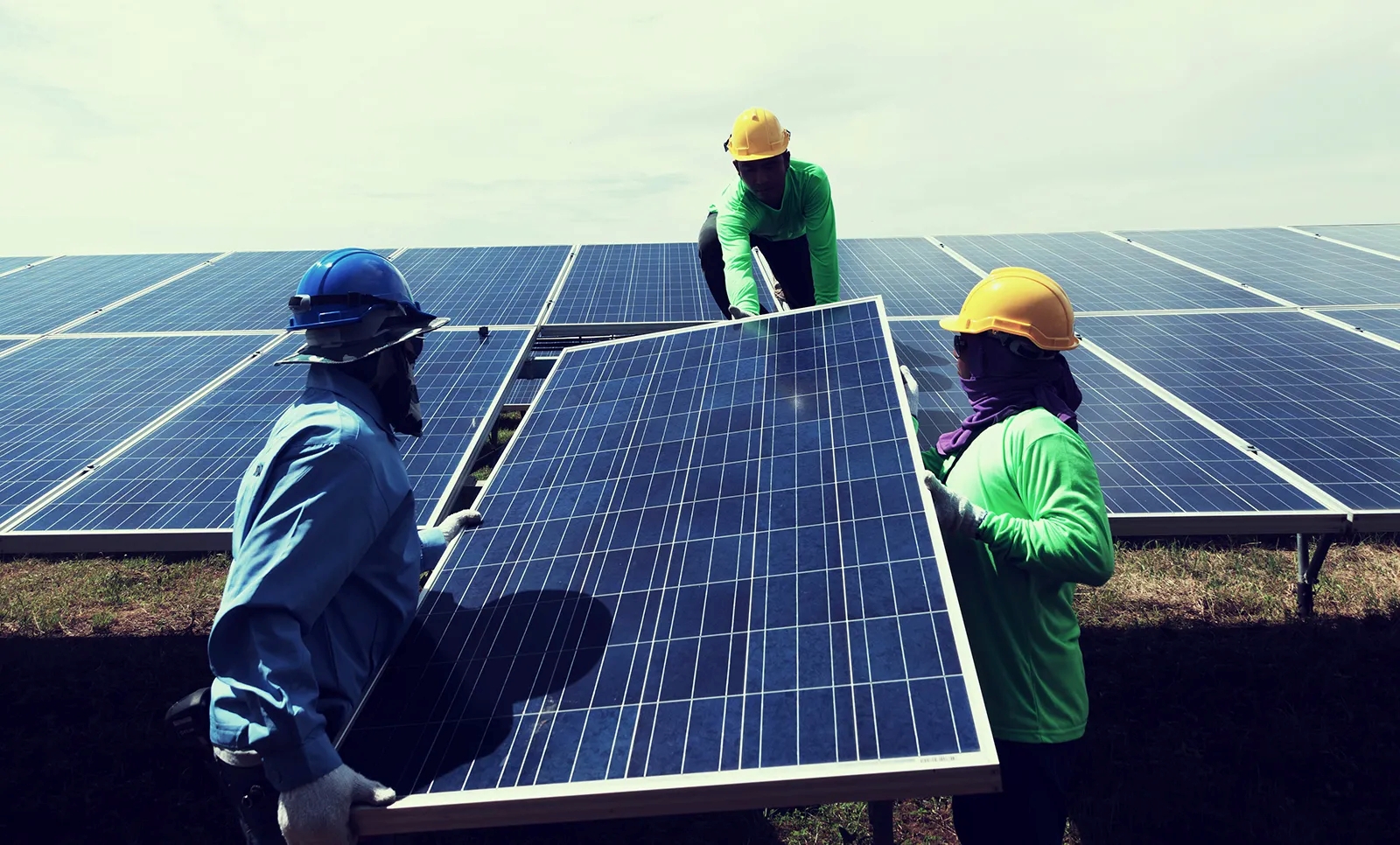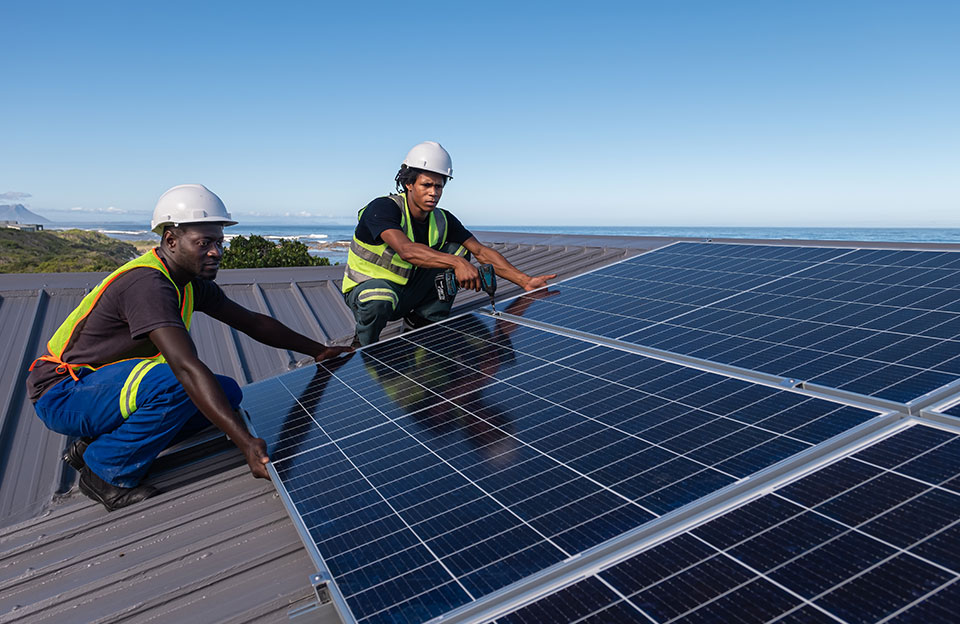
Only 184 residential households have moved to Eskom’s Homeflex tariff, which is the mandatory time-of-use (TOU) plan for customers who legally register their small-scale embedded generation (SSEG) solar and battery systems.
This was made known during a recent presentation by Eskom’s distribution division at an EE Business Intelligence webinar.
The figure indicates a massive under-registration of residential solar systems. During years of load-shedding, hundreds of thousands of South African households installed rooftop solar and batteries, but by late 2025 only around 1 485 total SSEG systems (including businesses) were registered with Eskom.
The 184 household figure implies that the vast majority of residential solar owners have completely ignored or avoided formal registration with the utility. Eskom tried to push registration through a mix of enforcement rules and fee waivers, yet adoption remains minuscule.
The dismally low number forced Eskom to repeatedly delay and eventually make open-ended its waiver of registration fees and drop costly engineer sign-off requirements just to stop the process from completely stalling.
ALSO READ: Eskom extends solar registration fee waiver amid pushback
Understanding the Homeflex tariff
Homeflex is designed to discourage drawing from the grid during expensive peak hours, but its peak tariff rates are more than double standard flat rates. Eskom launched its Homeflex tariff in 2024.
The tariff is best suited for households that can shift their demand towards off-peak hours, when variable energy charges are lower, and primarily use their own generation during expensive peak hours.
EE Business Intelligence managing director Chris Yelland said the number implied that only 184 Eskom residential customers had actually registered their SSEG installations with Eskom. Yelland said the figure would perhaps explain why the deadline for Eskom’s waiver of registration costs has been deferred indefinitely.
He also believes it could have driven Eskom’s decision to drop expensive sign-off on SSEG systems by professional engineers registered with the Engineering Council of South Africa (ECSA).
ALSO READ: Communities urge Nersa to reject Eskom tariff hikes at public hearings
Eskom’s retreat from enforcement
The power utility also withdrew its earlier threats of fines and disconnections for households that did not register.
That came after criticism from the Organisation Undoing Tax Abuse (OUTA), which argued that Eskom would only be able to penalise or cut off a property’s connection over safety issues or non-payment.
In his capacity as energy adviser to OUTA, Yelland has maintained that an electrical certificate of compliance (CoC) issued by an electrician registered with the Department of Labour is sufficient.
“Safety is not assured by registering a system with Eskom and being forced to change to the Homeflex tariff,” he told MyBroadband in recent feedback.
“It is assured by a valid and lawfully issued CoC confirming compliance with the mandatory national technical and safety standard SANS10142-1 and the standards referenced therein.”