

GQEBERHA – South Africa is beginning the phased introduction of Coding and Robotics into primary schools in 2026, but the Department of Basic Education has said the cost of teacher training, equipment and IT infrastructure means the subject cannot yet be made mandatory for every learner.
Against that backdrop, more than 50,000 learners across 10 African countries took part in Coding 4 Africa from 18 July to 18 August, using an approach designed to teach coding and computational thinking with or without computer labs.
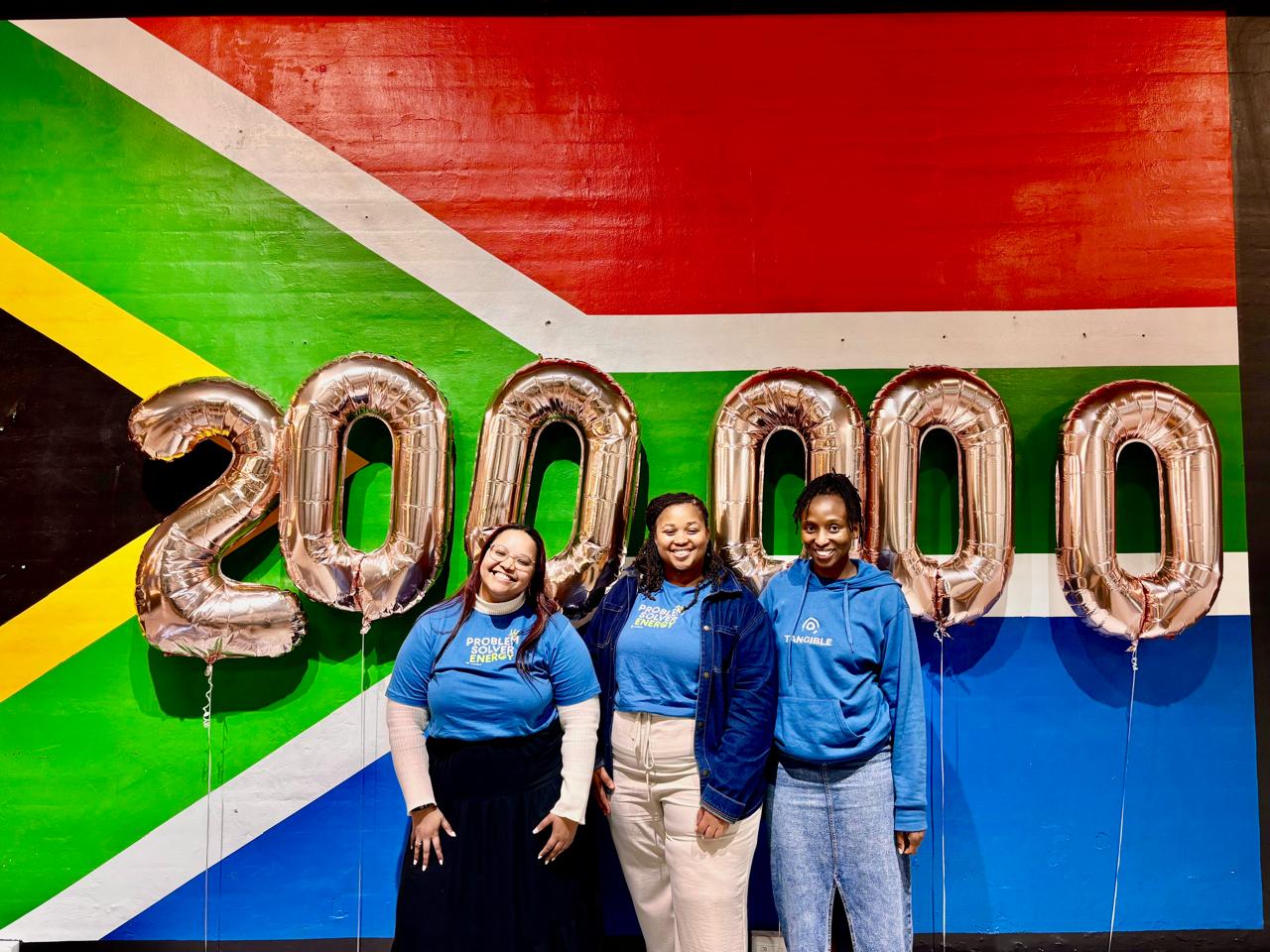
The initiative reached 513 schools and organisations with more than 200,000 engagements.
Professor Jean Greyling, founder of Tangible, the LEVA Foundation programme behind Coding 4 Africa said, “We talk a lot about what schools don’t have. Coding 4 Africa starts with a different question: what can we do with what they already have?”
“This isn’t about saying schools don’t need computers. They do. But children shouldn’t have to wait until every school has a computer lab before they can start learning how to solve problems, build sequences and understand the thinking behind coding.”
Coding 4 Africa grew out of Coding 4 Mandela, which began in Gqeberha in 2018 with 30 learners.
In 2026, the initiative expanded across the continent under the Coding 4 Africa banner.
Participation looked different depending on the age of the learners.
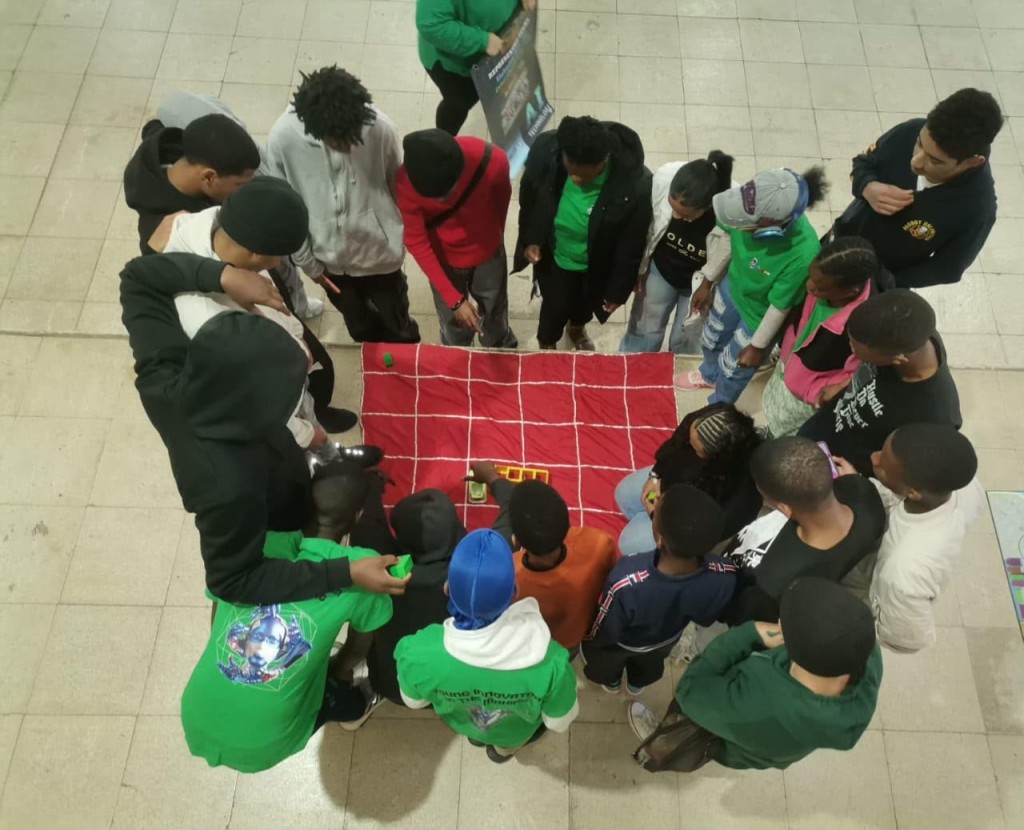
Younger children worked through activities introducing ideas such as patterns and sequencing, while older learners used Tangible coding games to build, test and correct sequences of instructions.
The activities were designed around concepts included in South Africa’s Coding and Robotics curriculum from Grade R to 9, including patterns, sequencing and problem-solving.
Much of the reach came through teachers taking the activities into their own schools and communities.
In KwaZulu-Natal, one training session with more than 60 Foundation Phase teachers led to coding activities being introduced to Grade R to 3 learners in many schools across the province.
Similar teacher-led participation took place through schools and community programmes across South Africa and in countries including Lesotho, Uganda and Zimbabwe.
Coding 4 Africa 2026 was sponsored by Amazon and Dutoit.
ALSO READ: Pearson learners bring Spring cheer to Livingstone Hospital




You must be logged in to post a comment.