South African rugby’s conveyor belt of talent continues to churn out world-class players, but the nation’s schools and academies aren’t seeing a cent when those stars swap the green and gold for foreign jerseys. Now SA Rugby’s high-performance GM Dave Wessels has fired a warning shot across World Rugby’s bow, suggesting the global governing body adopt a FIFA-style compensation model to reward the structures that develop players before they’re lured overseas.
In an interview with SA Rugby magazine, Wessels pulled no punches when discussing the exodus of South African schoolboys to European academies, a trend that sees the Rainbow Nation doing the hard yards in player development, only to watch other unions reap the rewards.
The current system is broken
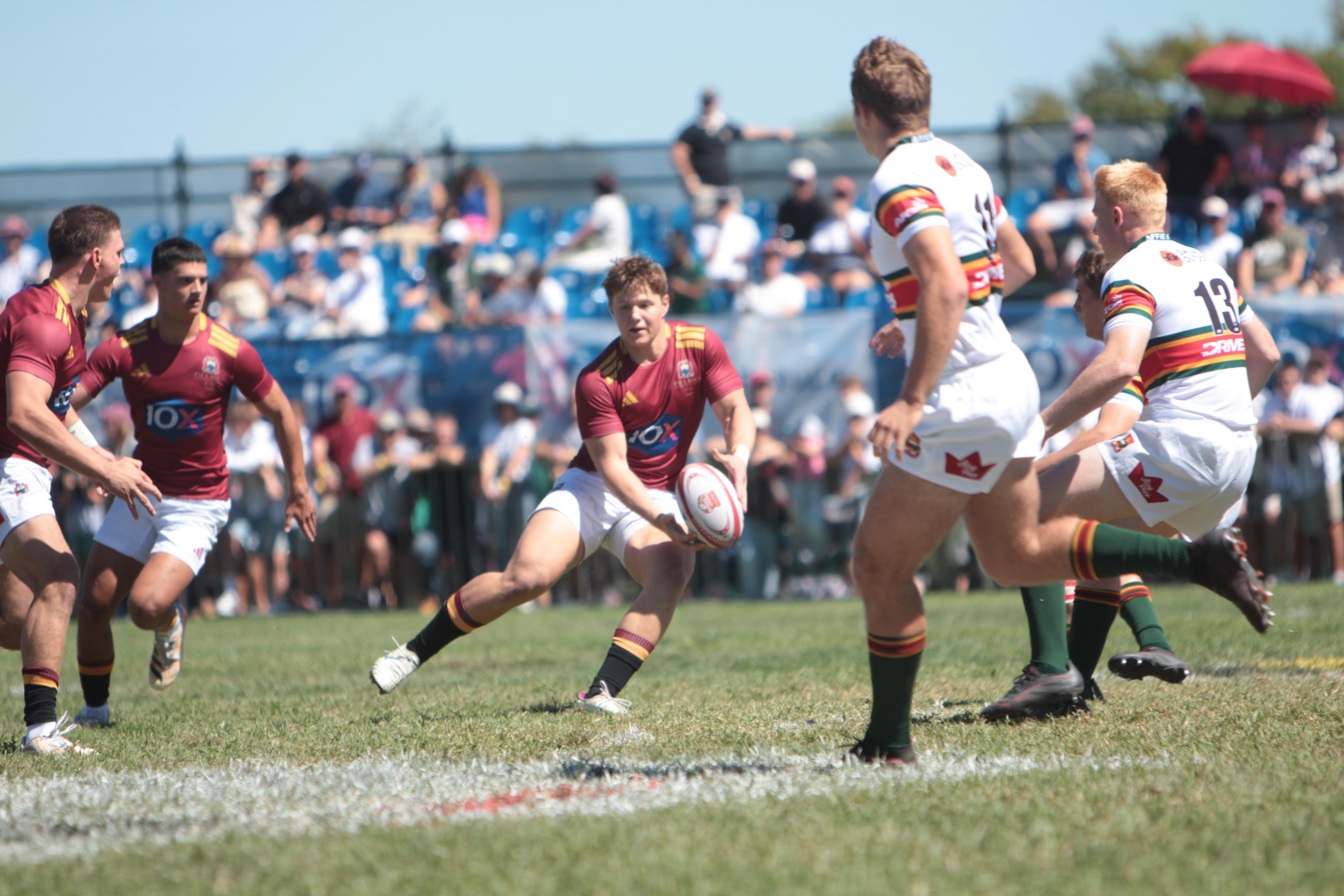
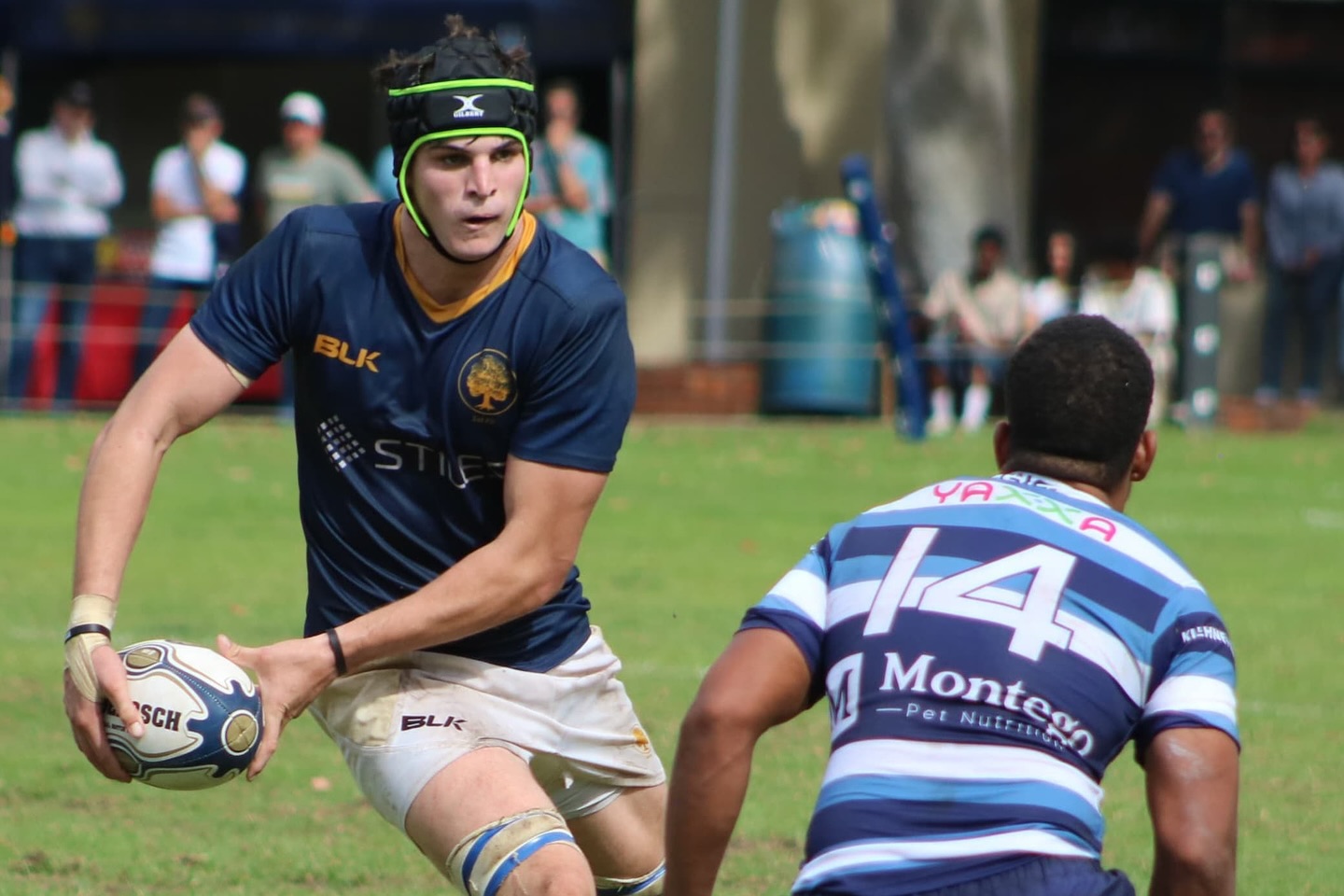
The issue isn’t merely hypothetical. Last year alone saw several SA schoolboys head to the United Kingdom immediately after matriculating, with former Rondebosch and South Africa U18 flank Josh Neill serving as a prime example. Neill joined Leinster’s academy and has since gone on to represent Ireland U20, a pipeline that benefits Irish rugby enormously whilst leaving Rondebosch and SA Rugby structures empty-handed.
Also read: Schoolboy stars who will make waves in professional ranks
When asked Wessels whether the poaching of South African schoolboys by other countries is simply an inevitable reality of the modern game, his response was unequivocal.
“It’s not inevitable,” Wessels insisted. “There are mechanisms used in other sports that we could adapt to rugby.”
The FIFA model: A blueprint for change
Wessels pointed to football’s governing body as a template World Rugby should follow, highlighting a system that has successfully balanced player movement with fair compensation for developers.
“We would like World Rugby to follow the FIFA model, which forces professional clubs to pay compensation to all of the schools and academies that played a role in the development of a player from the age of 13,” he explained.
“It works well in football and would be an important way for the professional game to support grassroots rugby here.”
Under FIFA’s solidarity mechanism, clubs that develop young players receive compensation when those players move between clubs, even across international borders. The payments are distributed proportionally based on the time a player spent at each development institution between the ages of 12 and 23.
Reinvesting in the next generation
For Wessels, the implications extend far beyond simple financial compensation, it’s about creating a sustainable ecosystem that rewards excellence in player development and reinvests those funds into producing the next generation of Springboks.
“It would be fantastic if our schools could be compensated for the great work they do, which would enable them to fund bursaries and other opportunities for the next generation,” he said.
South African rugby has long punched above its weight in producing world-class talent, with the nation’s school system serving as the foundation. Institutions like Grey College, Paarl Boys’ High, Paarl Gimnasium, and Rondebosch have churned out Springboks and international stars for decades, investing significant resources in facilities, coaching, and player welfare.
Yet when a 18-year-old produced by that system signs with a European academy and eventually represents another nation, those schools see precisely zero return on their investment.
Rewarding developers, not poachers
Wessels didn’t mince words when characterising the current state of affairs.
“At the moment, the system rewards the buyer and punishes the developer,” he stated bluntly. “That’s the wrong way round.”
It’s a sentiment that cuts to the heart of the issue. European clubs and national unions benefit from South Africa’s superior school rugby structures and development pathways without contributing a cent to their upkeep. Meanwhile, SA Rugby and local schools bear the full cost of identifying, coaching, and developing talent, only to watch it walk out the door.
A bigger conversation
Wessels’ comments come amid broader discussions about player eligibility, residency rules, and the global movement of rugby talent. World Rugby has already tightened residency requirements in recent years, extending the qualification period from three to five years in an attempt to curb so-called “project players.”
However, the compensation question remains largely unaddressed, a glaring omission when compared to football’s more sophisticated approach to player development and transfers.
Will world rugby listen?
The real question is whether World Rugby will take Wessels’ concerns seriously. The global game’s power structures have historically favoured the wealthy northern hemisphere unions, and implementing a compensation model that would see funds flow from European clubs to South African schools could face significant resistance.
Yet the moral and practical arguments are compelling. If World Rugby genuinely wants to grow the game globally and ensure the sustainability of elite rugby pathways in developing nations, rewarding rather than penalising excellence in player development seems like an obvious step.