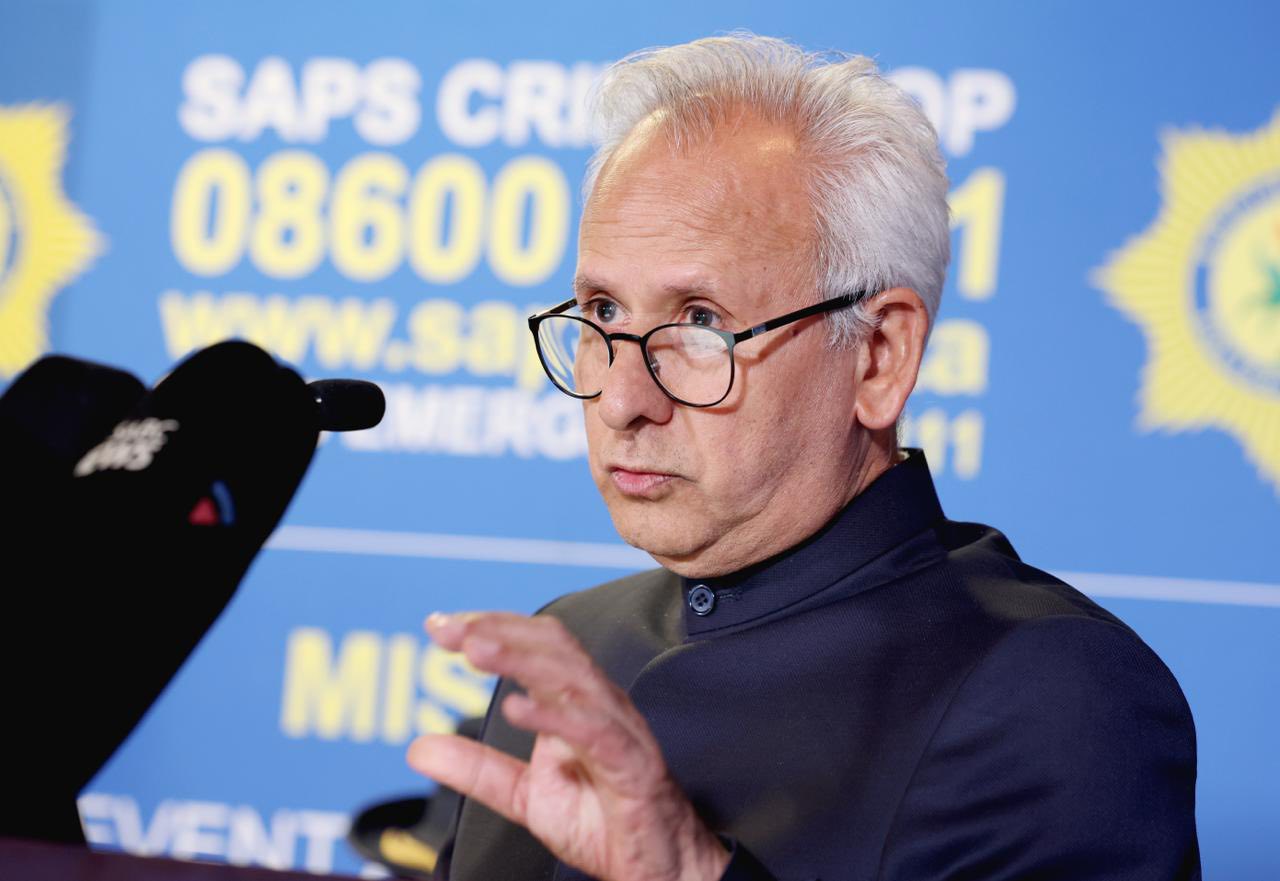
The South African Police Service has been allocated R127 billion for the 2026/27 financial year, with Acting Police Minister Firoz Cachalia outlining an ambitious multi-year reform programme aimed at rebuilding public trust in the country’s largest security institution.
Presenting the SAPS budget vote in Parliament on Tuesday, Cachalia described the allocation as the foundation for a “police reset agenda” designed to transform the service into a modern, professional organisation that prioritises community safety above all else.
The budget is set to increase to R135.8 billion by the 2028/29 financial year, making SAPS the largest institution within the Justice, Crime Prevention and Security Cluster.
Cachalia was clear that the reform process would not deliver overnight results. “We won’t promise miracles or short-term fixes. What matters is that the direction we are taking is clear and the goals are firm,” he told members of Parliament.
The acting minister acknowledged widespread public frustration over rising crime levels, systemic corruption within the police service, and deteriorating standards of policing. South Africans, he said, want a police force that is visible, disciplined and worthy of their trust.
While paying tribute to the thousands of officers serving under dangerous conditions, Cachalia admitted that SAPS continues to be plagued by corruption, particularly within its procurement systems.
Investigations stemming from the Madlanga Commission and internal anti-corruption units are ongoing, with the minister warning that more senior officials could face arrest. “The SAPS has established a dedicated task team to investigate referrals arising out of the Madlanga Commission. The task team is making progress; arrests will continue,” he said.
Most recent arrests and criminal charges against senior police officers result from investigations that predate the commission, Cachalia noted, though the Madlanga Commission’s work is assisting efforts to improve accountability.
Intelligence and detective services prioritised
A significant portion of the budget will be directed towards strengthening Crime Intelligence and the Detective Service, with government aiming to improve intelligence-led policing, criminal investigations and prosecution outcomes.
Cachalia stressed the importance of effective crime intelligence in fighting organised crime, identifying threats early, infiltrating criminal networks, preventing violent crime and guiding operational deployments through credible information and analysis.
To retain expertise within investigative units, the Detective Critical Skills Allowance of R1 000, introduced in October 2025, will continue for both SAPS and Directorate for Priority Crime Investigation investigators.
New organised crime strategy
A new organised crime strategy has been developed to strengthen intelligence-led policing, improve coordination between departments, intensify financial investigations and enhance partnerships with the private sector and international law enforcement agencies.
Substantial resources have been allocated from the Criminal Assets Recovery Account and the medium-term expenditure framework budget to support these initiatives.
The Directorate for Priority Crime Investigation will continue strengthening cross-border cooperation and intelligence-sharing to target criminal networks operating across southern Africa and beyond.
Illegal firearms crackdown
Government has allocated additional resources towards combating illegal firearms, including funding for licensing and compliance activities, as well as development of an upgraded digital Firearms Control Management System.
An additional R18 million has been allocated over and above the baseline allocation for licensing and compliance activities under the Firearms Control Act.
Focus on high-crime precincts
Cachalia announced a renewed focus on the country’s 50 highest-crime police precincts, where detailed assessments will evaluate leadership, staffing levels, operational readiness, detective performance and infrastructure requirements.
A strengthened monitoring system will assess whether resources are directed strategically towards crime hotspots and offenders who cause the most harm to their communities, with the Civilian Secretariat for Police Service playing a key oversight role.
ALSO READ: Crime drops in some categories but levels remain ‘unacceptably high’
Government will continue investing in police stations, mobile community service centres and station maintenance to improve service delivery and police visibility.
Modernisation and procurement reform
The Police Modernisation Project aims to digitalise administrative systems and improve operational efficiency, allowing more officers to focus on frontline policing and community safety.
The project will continue to be rolled out at high-crime stations and forms part of the public-private sector partnership known as the Joint Initiative Against Crime and Corruption, led by the Presidency.
SAPS procurement and supply chain management systems will undergo significant reform in partnership with National Treasury’s Government Technical Advisory Centre, in an effort to improve oversight, transparency and operational preparedness.
ALSO READ: DA slams Police Minister Cachalia after admission that police ‘not equipped’ to fight gangs