The South African National Editors’ Forum (Sanef) has welcomed a Broadcasting Complaints Commission of South Africa (BCCSA) ruling against the SABC, saying it sets an important precedent for editorial standards in live broadcasts.
The BCCSA found that the public broadcaster contravened Clause 12(2) of the Free-to-Air Code during an episode of The National Pulse broadcast on SAfm on 3 June.
According to Sanef, the programme allowed Jacinta Ngobese-Zuma, leader of the “March and March” movement, to make a series of serious and objectively verifiable factual allegations without journalistic scrutiny, evidence or verification.
Sanef described the complaint and subsequent ruling as “groundbreaking and critical interventions for media ethics in South Africa”.
The forum stressed that the ruling does not prevent controversial political views from being expressed or figures such as Ngobese-Zuma from participating in interviews.
Instead, it said the issue centres on the responsibility of broadcasters when guests make claims presented as facts.
Election season fuels misinformation fears
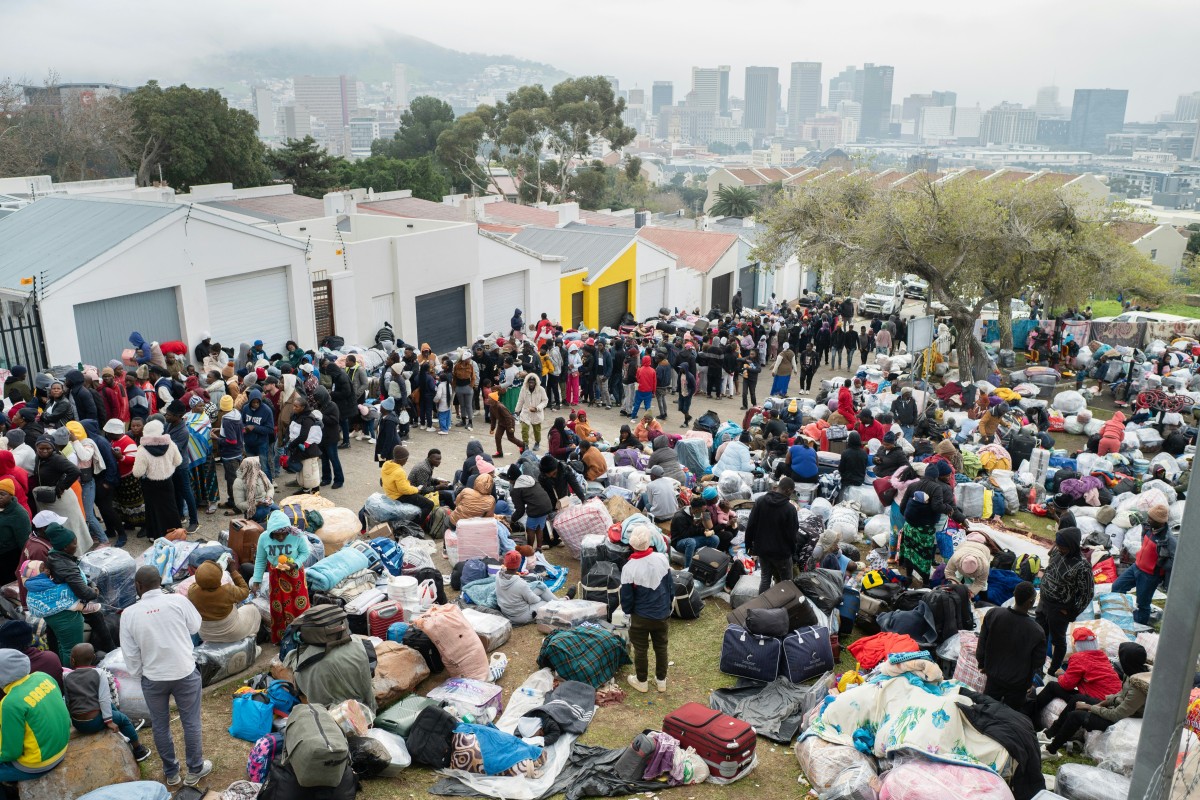
Sanef also highlighted the seriousness of the allegations made during the programme, saying they had the potential to incite hostility, prejudice and forced removal against non-citizens living in South Africa.
The ruling comes as the country approaches the local government elections in November.
Sanef said South Africa was facing a surge in “information disorder”, including misinformation, disinformation and malinformation, and warned that public sentiment could be manipulated through toxic and unverified rhetoric during the election period.
“Facts cannot simply be overridden by expressing an opinion,” Sanef said.
The forum said the ruling establishes that current affairs programmes, talk shows and live interviews must be subjected to the same journalistic rigour, attribution, fact-checking and interrogation of claims as other news platforms.
The SABC has accepted the ruling as a beneficial finding and said it would use the incident as a learning curve, according to Sanef.
Sanef warns against unregulated online content
The forum also warned about what it described as the growing “man with a camera and microphone” phenomenon, referring to podcasters, digital content creators and social media influencers who present themselves as reporters or journalists while spreading what it described as untruths and coordinated misinformation campaigns.
Sanef said these platforms operate outside professional ethical frameworks and could contribute to hostility against vulnerable groups for profit or political influence.
It urged newsrooms to use the BCCSA ruling as an operational lesson, saying media institutions have a level of public credibility that social media accounts do not.
Sanef further announced that it would offer updated training for journalists alongside the UN, focusing on human rights in everyday reporting and reliable public information.
ALSO READ: Sanef critises police commissioner’s “attack” on freedom of the press