

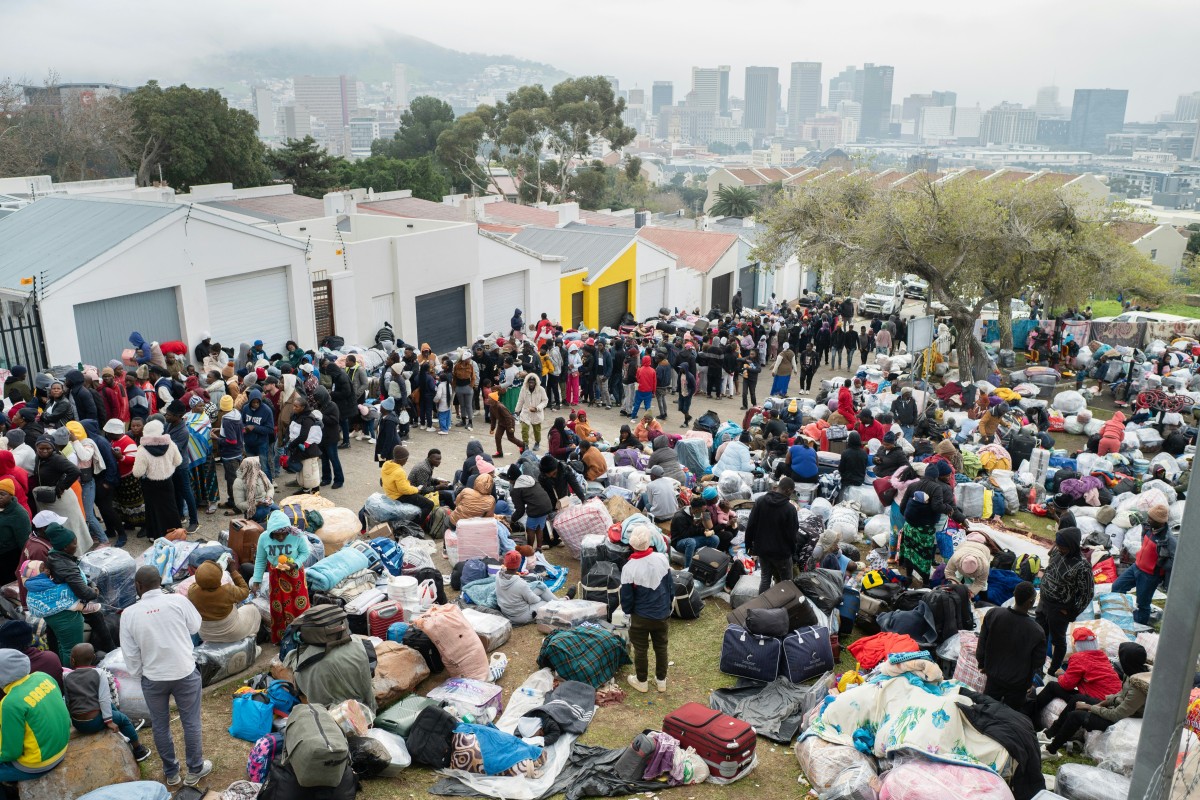
Immigrants across South Africa, both documented and undocumented, are gripped with fear as nationwide protests on Tuesday 30 June against illegal immigration loom, with many saying they have nowhere to turn if violence erupts.
While their emergency plan is to seek refuge at the nearest police station if threatened, many say they feel profoundly vulnerable.
Malawians and Zimbabweans in Cape Town who spoke to NovaNews described a climate of deep anxiety in the days leading up to the demonstrations. “We are very worried, and we know that we are not safe,” said a Malawian woman who works as a cleaner. “We have nowhere to turn.”

A Zimbabwean woman employed at a beauty salon said her workplace would remain closed the entire week, leaving her without income, as she is paid per customer served. “South Africa is my home, but with this situation, things are becoming a bit complicated. We moved here because of a better living.”
March and March defends its campaign
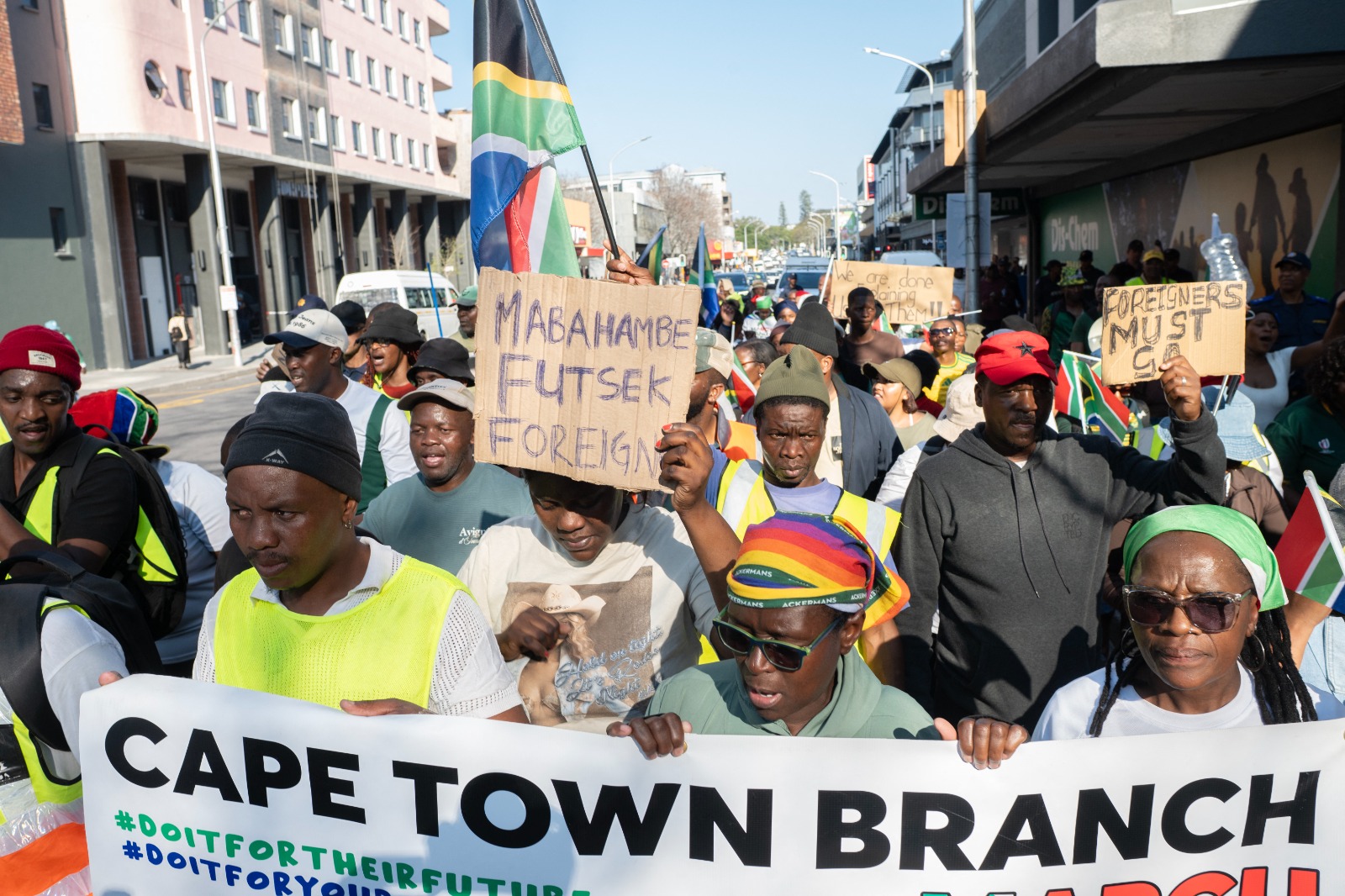
The anxiety among migrant communities comes amid escalating tension over immigration enforcement, driven in part by the “March and March” movement, an activist organisation calling for stricter border control and the removal of undocumented migrants. March and March’s founder, Jacinta Ngobese-Zuma, said during a wide-ranging interview on Nigeria Info FM that international media have been grossly misrepresenting the movement following a march to the Union Buildings in Pretoria in April, where it delivered a formal memorandum to a senior government official.
Ngobese-Zuma also insisted during the interview, aired on Friday, 26 June, that the campaign is rooted not in xenophobia, but in frustration with what the group describes as systemic failures to enforce immigration law. “Everyone cannot want to come here, and we must keep quiet about it,” she said.
ALSO READ: More than 8 000 foreign nationals processed at Beitbridge ahead of 30 June deadline
April’s march culminated in Nonceba Mhlauli, Deputy Minister in the Presidency, accepting the memorandum and addressing the crowd, an official engagement Ngobese-Zuma says was largely ignored by the international press. “The international media ignored the memorandum and the official government response,” Ngobese-Zuma said. “I’ve lost faith in journalism.”
Instead, she argued, coverage focused narrowly on street-level confrontations, stripping the event of its political and procedural context. Ngobese-Zuma also lamented the absence of testimony from South Africans who say they have been economically displaced. “Tuck shop owners who were run out of business, where are their voices?” she asked.
Movement cites statistics on illegal immigration
March and March cites several figures to support its case. According to Ngobese-Zuma, approximately 90% of migrants in affected communities lack legal status. South Africa is said to lose around R250 million per day through illicit goods passing through its harbours, and the country’s border management infrastructure is described as only 25% operational.
Ngobese-Zuma also referenced what the movement characterises as a government admission that mass deportation is financially untenable. “Government reportedly said: deportation is very expensive; we can’t afford to deport all these people.” The movement argues this reflects a structural abdication of responsibility rather than principled policy.
A video message recorded in Zulu has accumulated 1.8 million views, a figure Ngobese-Zuma cited as evidence of widespread public support for the movement’s concerns. According to Ngobese-Zuma, March and March is politically aligned with the Inkatha Freedom Party and meets regularly with the provincial premier through official channels. Ngobese-Zuma framed this as “legitimate democratic engagement rather than vigilante action”.
Central to the movement’s argument is South Africa’s history of hosting migrants from across the continent. “Thirty-two years we’ve returned the favour,” Ngobese-Zuma said, referencing the solidarity neighbouring countries extended to South Africa during apartheid.
Pan-Africanism and democratic engagement
Ngobese-Zuma also expressed scepticism about pan-Africanism as currently practised, arguing that continental solidarity must begin with governments meeting the needs of their own citizens. “There’s no pan-Africanism that works because you have to run away from Nigeria,” she said, addressing migrants and their countries of origin directly.
Ngobese-Zuma said the march on Tuesday, 30 June was not organised by March and March. According to her, three separate organisations independently coordinate immigration-related demonstrations, and conflating them has contributed to inaccurate reporting.
Security advice ahead of protests
Meanwhile, AfriForum’s Community Safety division has urged South Africans to remain calm but vigilant ahead of the planned protests.
Jacques Broodryk, AfriForum’s chief spokesperson for Community Safety, encouraged residents to stay informed through trusted community safety structures, ensure vehicles have sufficient fuel, plan alternative travel routes, avoid protest areas where possible, and refrain from engaging with volatile crowds.
Businesses were advised to review contingency plans and maintain close contact with local security providers.
“The best response during periods of uncertainty is not panic, but preparation,” said Broodryk. “Communities that are informed, connected and vigilant are far better positioned to protect themselves.”
As the date approaches, the gap between political debate and human consequence remains starkly visible, with migrant workers not the only ones left to count the cost.


You must be logged in to post a comment.