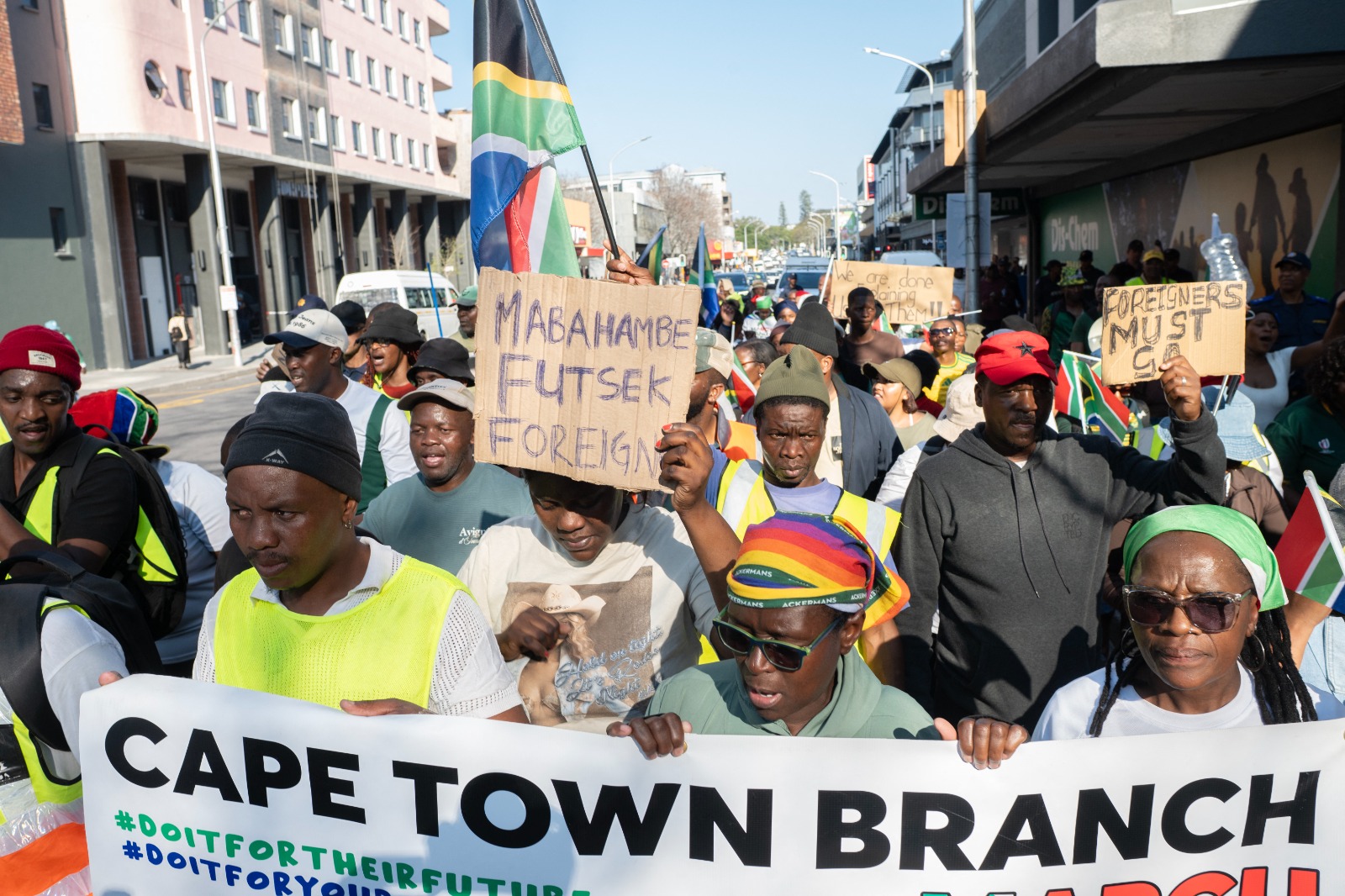
South Africa is experiencing nationwide anti-immigrant marches after hard-line citizen-led groups ordered undocumented foreigners to leave the country by 30 June, prompting mass repatriations and at least four deaths.
Thousands of African migrants have fled home or sought shelter in makeshift camps for fear of attack, whilst several governments have organised coordinated voluntary repatriations for their nationals.
Who is behind them?
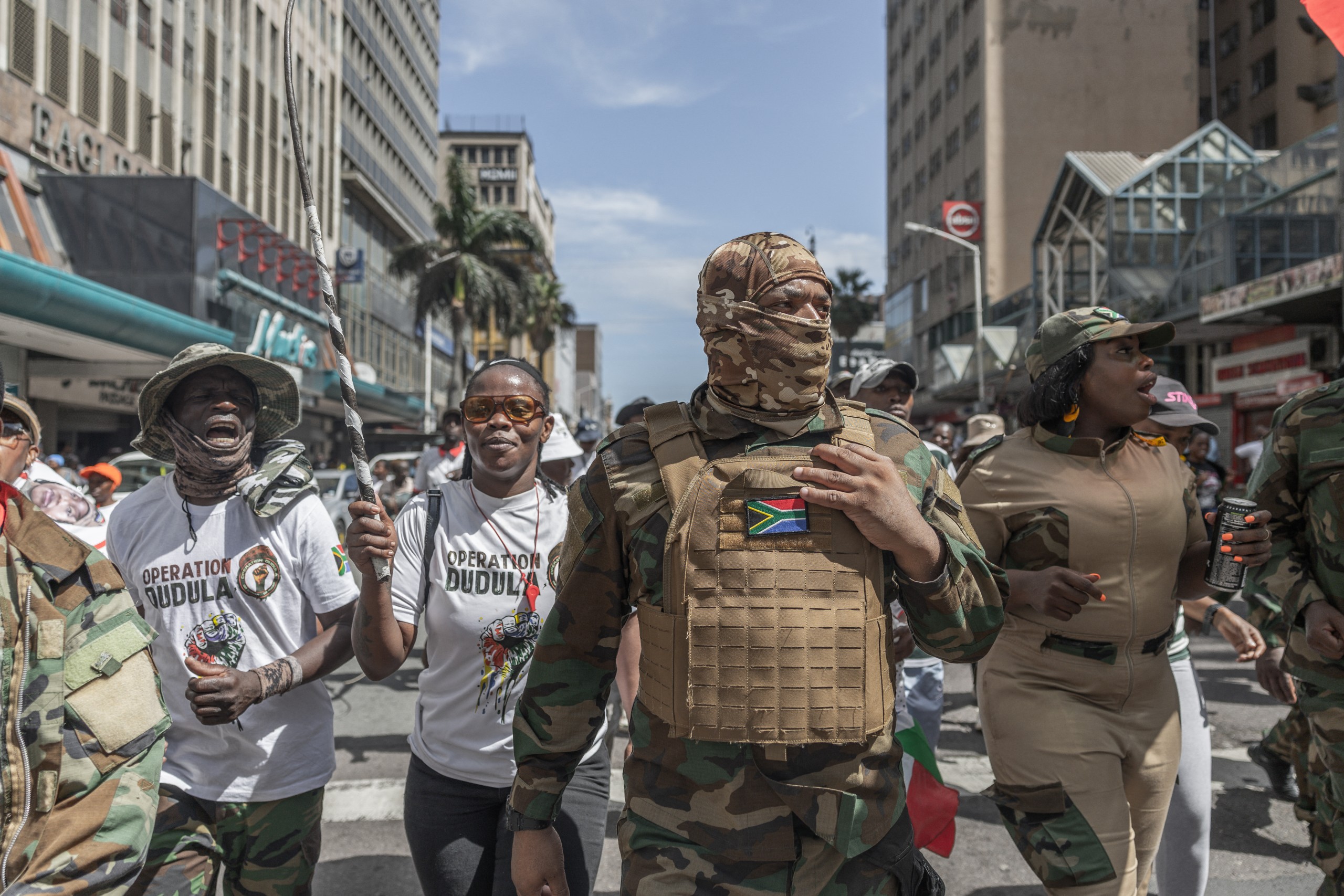
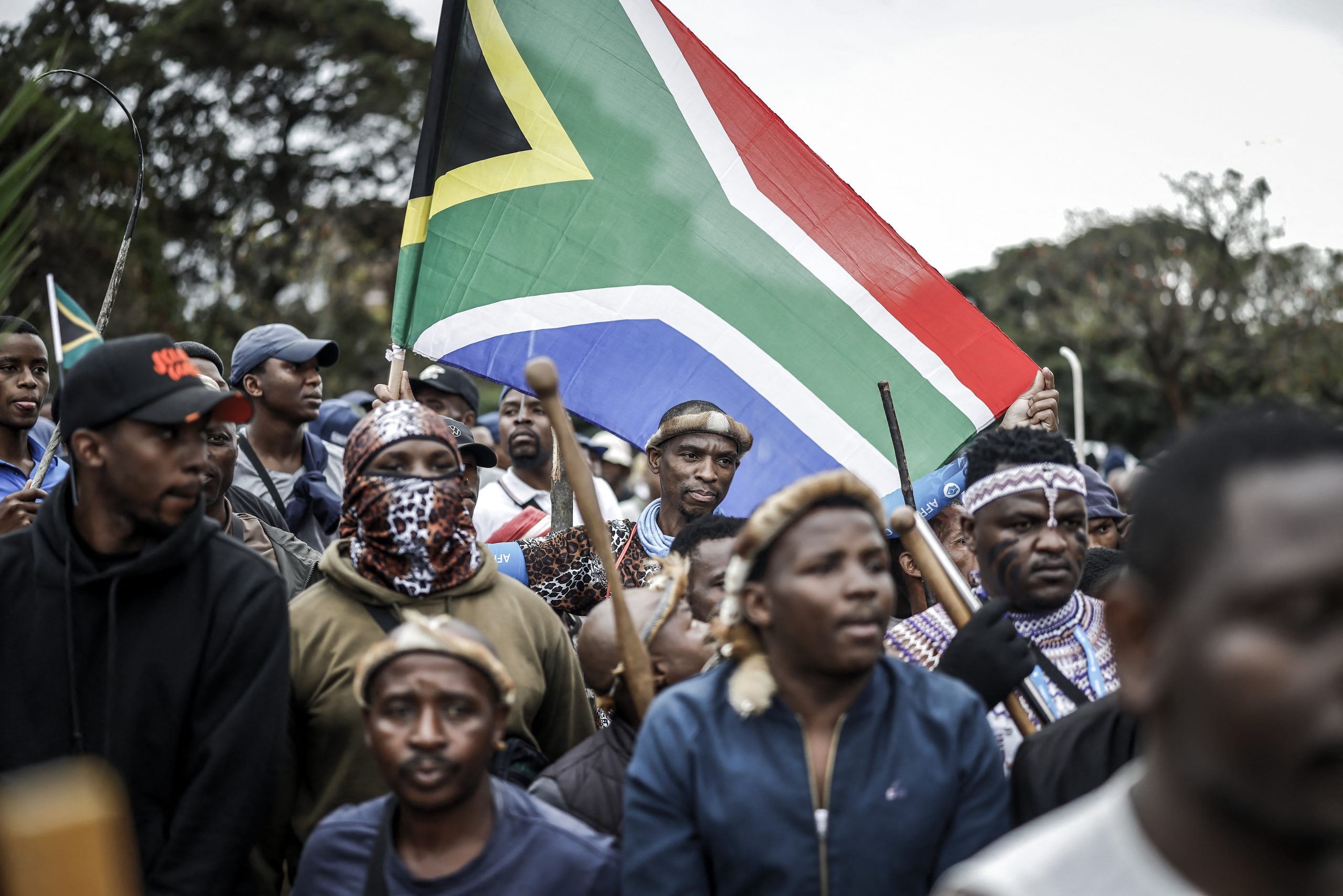
The protests have been mobilised by a loose coalition of minor political parties and small citizen-led vigilante groups, some fronted by men in traditional Zulu attire carrying sticks and shields. They claim migrants drive crime and take jobs from locals, fuelling tensions in townships grappling with poverty, unemployment and weak policing.
The groups appear well organised and well resourced, according to analysts, with a strong social media presence that includes disinformation debunked by AFP.
“The main ingredient is right-wing political opportunism,” political scientist Sandile Swana told AFP. “We are seeing a new form of black-on-black violence diverting attention from the true culprits of the economic crisis.”
Why now?
Mostly low-key demonstrations flared late last year when undocumented foreign nationals were blocked from accessing clinics and hospitals. Protests intensified this year with vigilante groups warning irregular migrants to leave by 30 June.
The unrest has been driven by growing public anger in Africa’s richest nation over soaring joblessness, which stands at nearly 33%, crime and pressure on resources. A steady influx of mostly African migrants has become a convenient scapegoat, with political actors leveraging the tensions ahead of municipal elections in November.
There are roughly three million immigrants in the country, about 5,1% of the population, according to the national statistics agency. More than 63% come from other countries in southern Africa, many facing economic crisis and political instability.
Why now?
South African police are investigating the killings of two Mozambique nationals and a Malawian in the recent unrest. Reports have emerged of South Africans demanding to check the papers of foreign nationals, or visiting their homes or workplaces to tell them to leave.
Some of those heading home said they were told to go by their employers or landlords who feared being fined by inspectors or attacked by vigilantes.
The violence, threats and intimidation have prompted several African countries, including Kenya, Uganda and the Democratic Republic of Congo, to organise voluntary repatriations.
At least 988 Ghanaians and about 600 Nigerians left by plane this month, the Border Management Authority (BMA) said. More than 15 000 people crossed land borders into Zimbabwe, Malawi and Mozambique over the same period.
The BMA told AFP on Monday that some 25 000 people had been repatriated in recent weeks. The agency said most people it had processed were in the country illegally, some having overstayed their visas.
Thousands more foreign nationals were in makeshift camps in the eastern city of Durban, or centres in Johannesburg and Cape Town, awaiting assistance to return home.
Ahead of Tuesday’s unofficial deadline, government officials outlined their actions against illegal immigration, including reinforcing border controls and inspections, and called for calm.
ALSO READ: More than 8 000 foreign nationals processed at Beitbridge ahead of 30 June deadline
How this compares to past protests
Waves of xenophobic violence have swept South Africa over the past decades. In 2008, 62 people were killed in anti-immigrant riots and thousands were displaced. Further outbreaks followed in 2015 and 2016.
Violence in 2019 saw armed mobs descend on foreign-owned businesses around Johannesburg, leaving at least twelve people dead, ten of them South African citizens.
This is the first time such threats have prompted several governments to simultaneously organise coordinated voluntary repatriations for thousands of their nationals.
ALSO READ: Government mobilises security forces ahead of planned anti-migrant actions