The phrase “same script, different cast” shapes how I understand life. The words same script different cast capture the idea of repeating familiar patterns with new people or situations.
It reflects how stories repeat, even when the people change. I have seen this pattern in gender-based violence, relationships, faith communities, and society at large.
From reported stories and experience, I notice how cycles return.
While the actors differ, the structure often remains the same. This reality unsettles me, but it also drives my work as a journalist.
The weight of repetition
There is something deeply uncomfortable about recognising patterns that repeat across different lives. While details shift, the outcomes often echo one another.
In communities, silence protects harm. In institutions, power imbalances persist. Across generations, people inherit struggles they did not create. These cycles are not accidental. Instead, they are shaped by culture, systems, and learned behaviour.
Because of this, I use writing as a tool to observe and reflect. Through storytelling, I try to make repetition visible. Only then can we begin to challenge it.
When violence becomes routine
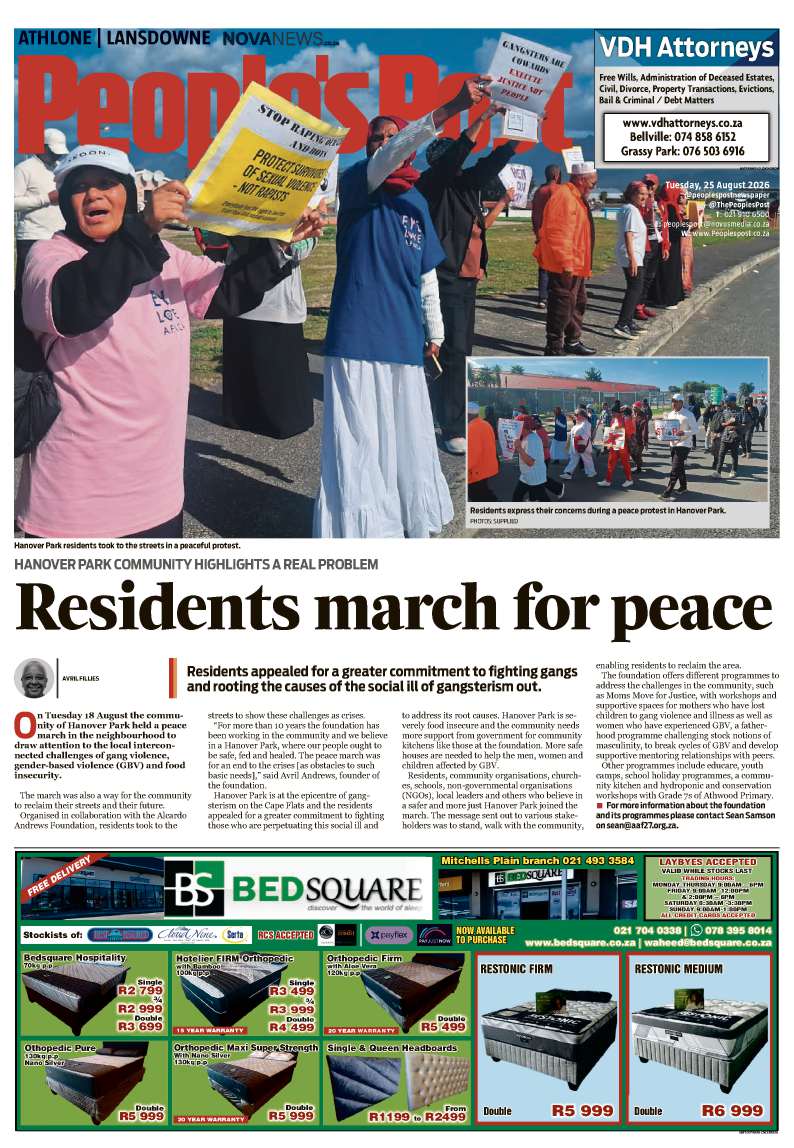
Gender-based violence remains one of the clearest examples of a repeated script in South Africa.
Too often, headlines tell familiar stories survivors seek help, communities respond with outrage, and promises of justice follow. Yet the pattern rarely changes.
Although the perpetrators differ, the pain feels the same. This repetition is not coincidence. Rather, it reflects deeper issues such as patriarchy, inequality, and social conditioning.
Violence is learned. Silence is learned. Power imbalances are learned.
Therefore, recognising these patterns is the first step toward breaking them. We cannot disrupt what we refuse to acknowledge.
Love and familiar patterns
Love can also mirror these cycles.
People often find themselves drawn to the same types of partners. Sometimes, these relationships feel familiar because they echo early experiences of care, conflict, or control.
These patterns are shaped by upbringing, cultural expectations, and learned behaviour. Over time, they influence how people give and receive love.
However, repetition is not destiny. Each relationship presents an opportunity to pause and reflect. With awareness, people can choose differently. They can set boundaries and redefine what love looks like.
Importantly, healing is personal. What works for one person may not work for another. Experiences can guide, but they should never become universal rules.
Faith and its dual role
Faith communities often play a powerful role in people’s lives.
On one hand, they provide support, belonging, and hope. Many people rely on these spaces for counselling, guidance, and practical help during difficult times.
On the other hand, some faith environments reinforce harmful expectations. Gender roles may be rigidly enforced. Harm may be normalised through messages that encourage endurance over accountability.
Nevertheless, faith spaces also hold the potential for transformation. Increasingly, some communities are creating room for honest conversations, trauma-informed support, and advocacy against abuse.
This shift shows that change is possible, even within long-standing systems.
When society recycles struggle
The same patterns extend beyond personal relationships.
In many communities, poverty continues across generations. Schools remain under-resourced. Young people face barriers they did not create. In workplaces, inequality and exclusion often persist.
While leaders and policies change, the outcomes often look the same. This reveals that the issue is not always individual failure, but structural repetition.
Systems influence behaviour. Environments shape opportunity. History continues to shape the present.
Recognising this helps us move from blame to understanding. More importantly, it opens the door to meaningful change.
READ ALSO: Empower your future: The role of mindset in success
Awareness changes the script
Not every story remains the same.
Thandokazi’s journey shows how awareness can shift outcomes. Initially, she felt caught in a familiar cycle. However, as she gained insight, she began to recognise warning signs. She named harmful behaviour. She set boundaries. Ultimately, she chose differently.
The situation did not change overnight, but her awareness transformed her response.
This is where the power lies. Awareness creates space. Reflection builds clarity. Choice enables change.
Why I keep writing
I write because these patterns unsettle me.
I write because repetition without reflection allows harm to continue unchecked. I write because I want to understand how culture shapes behaviour before people realise they have the power to choose differently.
“Same script, different cast” is not just a phrase. It is a lens through which I examine human behaviour, power, and possibility.
Through writing, I bear witness.
The power to rewrite
Life may repeat familiar patterns, but the outcome is never fixed.
Each moment presents a chance to respond differently. Each story offers the possibility of change. Awareness gives us language, courage gives us movement, and reflection gives us direction.
Even when the script feels familiar, the ending is still ours to write.