
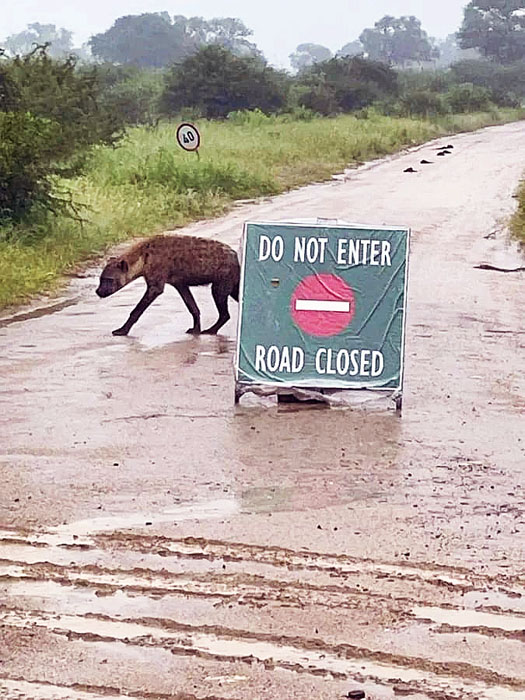
KRUGER NATIONAL PARK – Severe weather conditions affecting the Kruger National Park (KNP) have resulted in the Border Management Authority closing the border posts at Pafuri and Giriyondo.
Following continuous heavy rainfall across the park, affected visitors are urged to revise their travel plans and follow guidance from park officials.
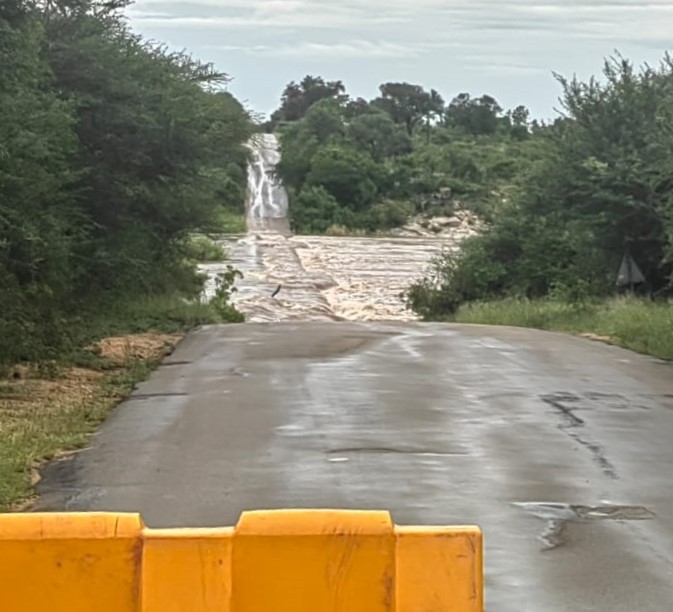
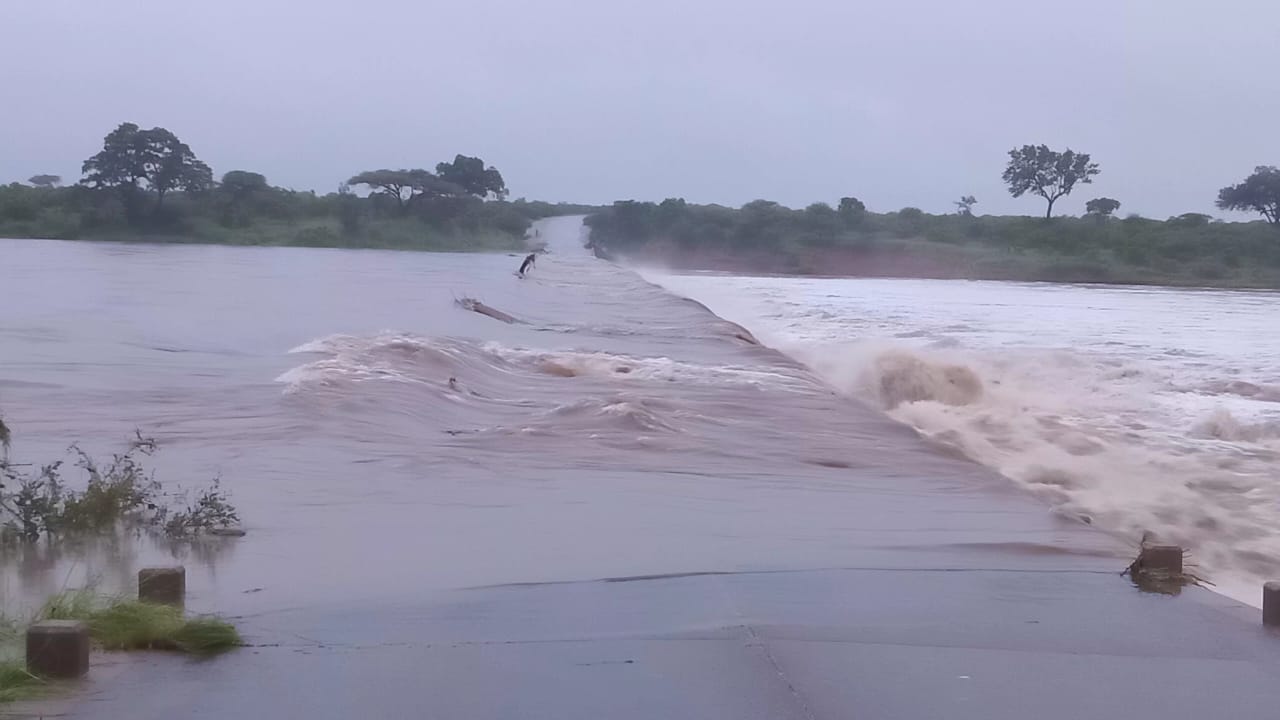
Several rivers are currently flowing at high speed, with water levels expected to rise significantly during Sunday 11 January, particularly at De Laporte River, N’watshitsaka River and Crocodile River. The Sabie River is also rising, which is expected to impact the Sand River, potentially affecting travel routes between Satara Rest Camp, Tshokwane Picnic Site, Lower Sabie Rest Camp and Skukuza Rest Camp.
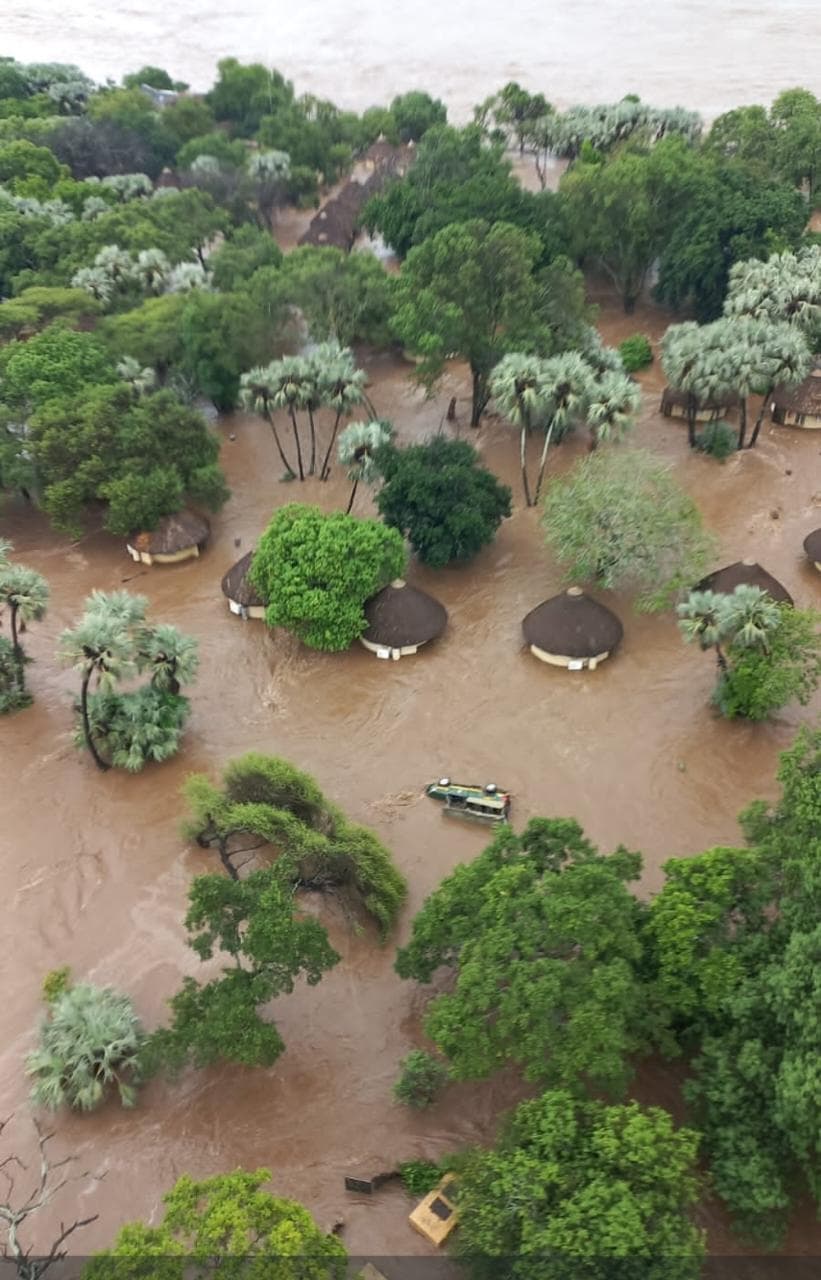
“Road closures may occur at short notice for safety reasons,” stated JP Louw, spokesperson for South African National Parks (SANParks). Campers in affected camps will be relocated, as not all camping sites are affected. Those in caravans and motorhomes will be requested to move closer to chalet areas within camps but will not be moved to chalets.
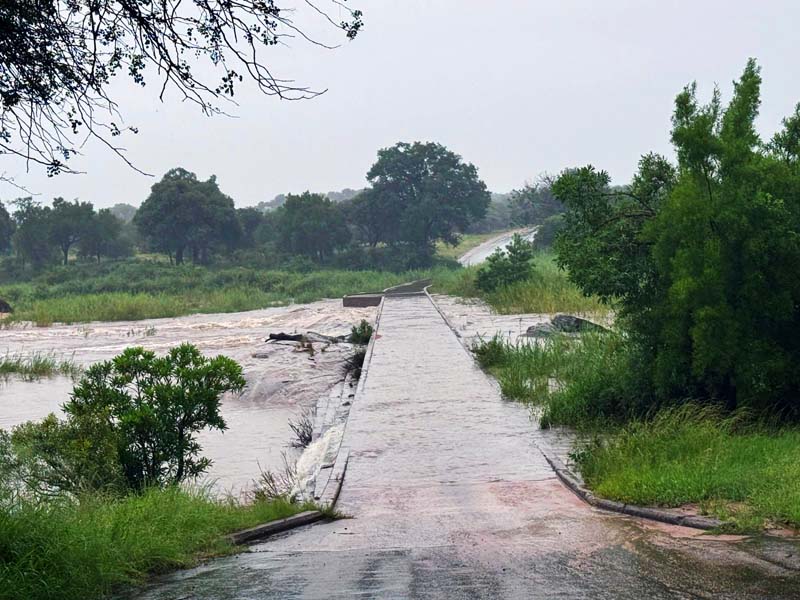
Visitors are advised not to remain in designated camping areas that may be vulnerable to flooding. Park staff will provide on-site guidance to ensure guest safety.
Guests wishing to access Skukuza Airport should use Kruger Gate via Satara/Orpen gate or access from outside the park through the R40. They should be mindful of added travelling times to avoid missing flights.
Rainfall figures for Saturday night and early Sunday morning
Tshokwane: 73.5mm
Houtboschrand: 85.5mm
Olifants: 30mm
Letaba: 40.2mm
Malelane: 57mm
Kingfisherspruit: 51.2mm
Phalaborwa: 25mm
Mahlangeni: 36mm
Mooiplaas: 71mm
Lower Sabie: 58.5mm
Crocodile Bridge: 45mm
Pafuri: 90mm
Punda Maria: 52mm
Shingwedzi: 71mm
Vlakteplaas: 51.5mm
SANParks strongly urges all guests and staff to adhere strictly to no-entry and road closure signage, avoid driving through flooded roads or low-lying bridges, and refrain from removing logs, debris or barriers placed on roads.
“The safety of visitors, staff and surrounding communities remains SANParks’ highest priority. The South African Weather Service (SAWS) will continue to closely monitor the situation and issue or update weather warnings based on expected impacts,” Louw concluded.
Safety advice for visitors
Emergency preparedness: Ensure your vehicle is in good working condition, with an adequate supply of water, food and a fully charged phone. In emergencies, the park’s rangers are available for assistance.
Avoid low-lying areas: Flooding may occur in low-lying regions, including riverbeds and floodplains, which could create dangerous conditions for visitors.
Be cautious on gravel roads: Gravel roads may become slippery and treacherous during heavy rainfall. Visitors should take extreme care when navigating these areas and, where possible, avoid travelling on gravel roads during peak rainfall.
Monitor weather updates: The park’s management recommends staying updated with the latest weather forecasts and warnings from the South African Weather Service and Kruger National Park’s official communication channels.
Travel early: Plan to leave earlier in the day when possible to avoid being caught in adverse conditions after dark. If rain is predicted, aim to return to accommodation before heavier showers begin.


You must be logged in to post a comment.