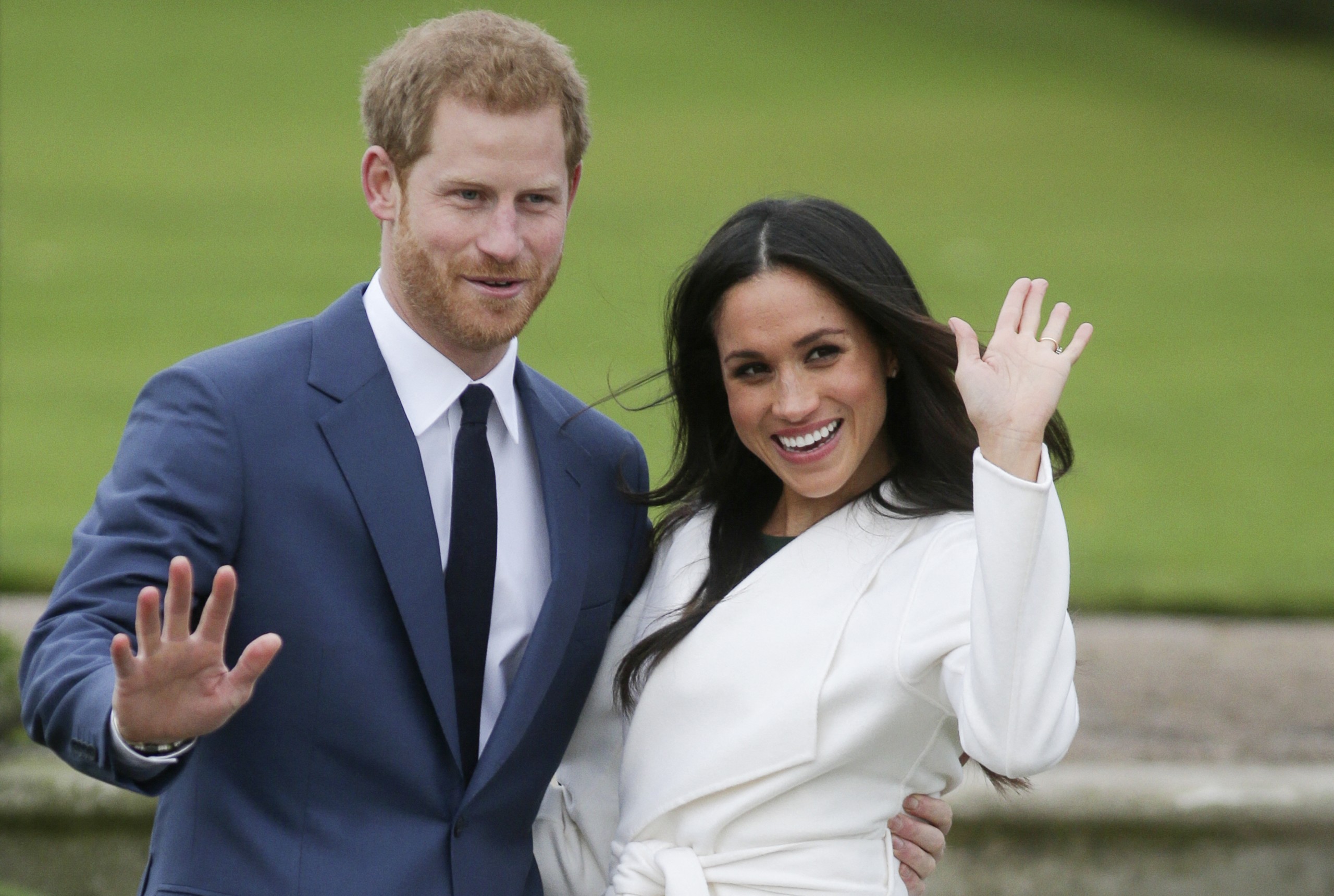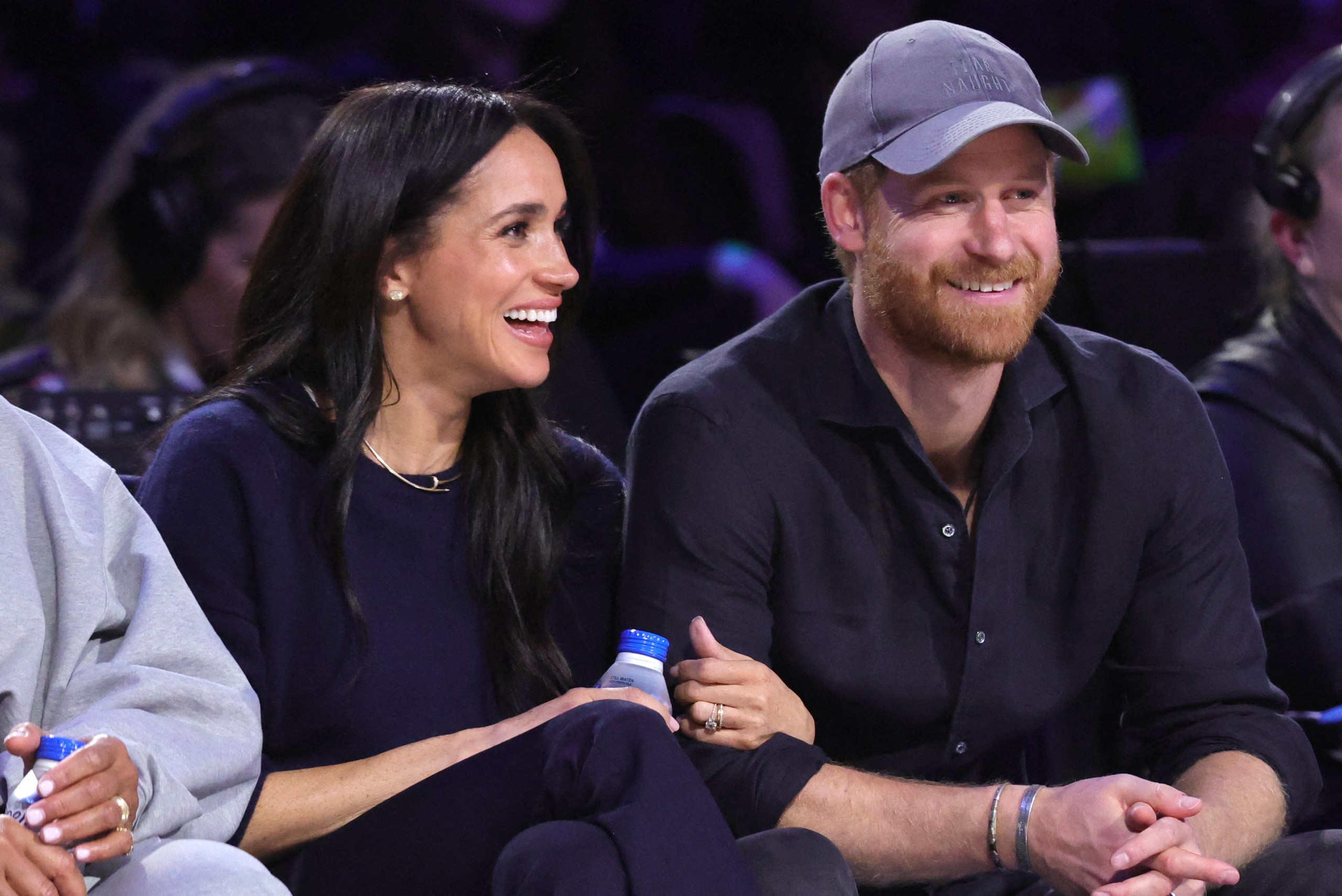
LONDON, United Kingdom – Prince Harry’s decision to return to Britain with his family has thrust the thorny question of royal security back into the spotlight, with most Britons opposed to footing the bill.
The Duke of Sussex (42) touched down at Birmingham Airport on 26 August with wife Meghan and their two children – Archie (7) and Lilibet (5) – ending a self-imposed exile triggered by what he described as inadequate security arrangements.
The family has settled in the Cotswolds region of central England, where both children have reportedly enrolled at private schools for the new academic year.
But their return has rekindled a bitter dispute over whether British taxpayers should finance police protection for Harry and his family, or whether the wealthy couple should pay for private security themselves.
Private guards replace police officers
When the family arrived last month, they relied on private security personnel rather than police officers – a reality that underscores the ongoing standoff with authorities.
Harry fought a lengthy court battle to retain taxpayer-funded police protection after he and Meghan quit royal duties in 2020 and relocated to California. He lost that fight, with his appeal dismissed in 2025 in what he branded a “good old-fashioned Establishment stitch-up”.
Scott Hamer, who previously served as a protection officer for King Charles III, said the situation raises serious questions.
“There’s probably people who are being protected now who are at less threat and risk than he is,” Hamer told AFP. “So the question would be, why does he not receive that protection as well?”
School run creates ‘vulnerability’
Security experts have flagged particular concerns about the predictable patterns created by school drop-offs and collections.
“The vulnerability aspect needs to be assessed,” said Hamer. “The fact that he’ll have to take his kids to school at the same time each day, and pick them up at the same time each day, now makes him quite vulnerable.”
Britain’s Royal and VIP Executive Committee (Ravec) – an independent body overseen by the interior ministry – decides which politicians, royals and public figures receive police protection.
According to The Sunday Times, Harry’s lawyers wrote to interior minister Shabana Mahmood in August requesting her intervention, having lost faith in Ravec’s ability to rule fairly on his security needs.
A government spokesperson defended the current system as “rigorous and proportionate” but declined to discuss specific arrangements.
Threats ‘very real’
Hamer described the threats facing Harry as “very real”, ranging from international terrorism to far-right extremists opposed to his marriage to Meghan, who has a mixed-race background.
Harry himself has long argued his risk level is heightened by his status as the king’s son and his military service, which included two tours of Afghanistan.
In his 2023 memoir Spare, the prince revealed he had killed 25 Taliban fighters during his deployment – an admission that drew criticism from some British veterans who warned it could increase his security risk.
One key sticking point is that private security personnel in the UK cannot carry firearms, unlike police protection officers.
Simon Morgan, another former royal protection officer, said Harry’s argument centres on this limitation. “The threat against him is so great that it can only be dealt with [through] an official police protection team,” Morgan told AFP.
Public overwhelmingly opposed
Despite the security concerns raised by experts, the British public appears unsympathetic to Harry’s predicament.
Just 6% believe the prince’s security should be fully taxpayer-funded, while 63% think the couple should pay for it themselves, according to a recent poll for The i Paper.
Royal expert Andrew Lownie questioned why Harry couldn’t simply pay for security in Britain as he does in the United States.
“He’s paid for security in the States. I can’t see why he can’t pay for security here – it’s a lot less dangerous,” Lownie said.
ALSO READ: Prince Harry’s lawyer cites threats in UK protection case
Ballooning costs
However, Hamer argued that Harry’s status as a working royal or not “shouldn’t be part of it”, noting that former prime ministers receive protection despite leaving office.
Lownie predicted Harry would ultimately succeed in securing some taxpayer-funded protection for the same reason, but warned of the financial implications.
The bill for protecting former prime ministers has soared over the past decade, which has seen six PMs leave office compared to just two in the previous 10 years.
“If we’re doing it for all these prime ministers, then I think we’re going to have to do it for Harry and his family,” Lownie said. “But that is going to cost a lot of money.”
With Ravec’s risk management board likely re-evaluating the threat level Harry faces following his return, the long-running saga over his security appears far from over.
ALSO READ: Prince Harry’s shock return to UK raises more questions than answers