South African law enforcement agencies have entered full operational readiness mode ahead of countrywide protests on 30 June, with thousands of officers deployed across all nine provinces.
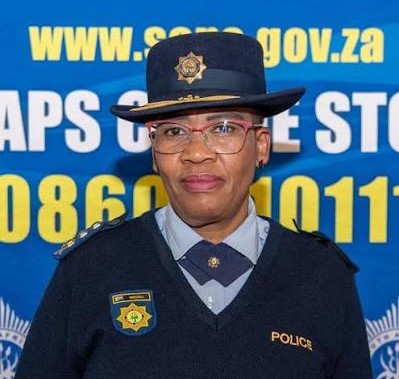
Deputy National Commissioner responsible for Policing Lieutenant General Tebello Mosikili announced on Monday evening that Operation 30 June is now being fully implemented, with National Joint Operational and Intelligence Structures functioning on a 24-hour basis.
“The country is now under maximum operational readiness,” Mosikili said during a media briefing. “Our operators are on the ground across all nine provinces. The first responders tasked with responding to public gatherings and any emerging incidents are fully deployed and on high alert.”
Public Order Policing units are positioned alongside specialised operational units, with the Air Wing providing aerial surveillance and operational support. Tactical Response Teams, the National Intervention Unit, Special Task Force, K9 units and mounted units are on standby.
The security cluster has vowed to protect lawful demonstrations while responding decisively to criminal activity. Critical infrastructure, national key points, transport routes, ports of entry, airports, healthcare facilities and shopping centres will receive enhanced protection.
“We will secure every lawful and peaceful demonstration. We will protect every community. We will safeguard critical infrastructure,” Mosikili said. “And where criminality presents itself, we will respond swiftly, proportionately and decisively within the confines of the law.”
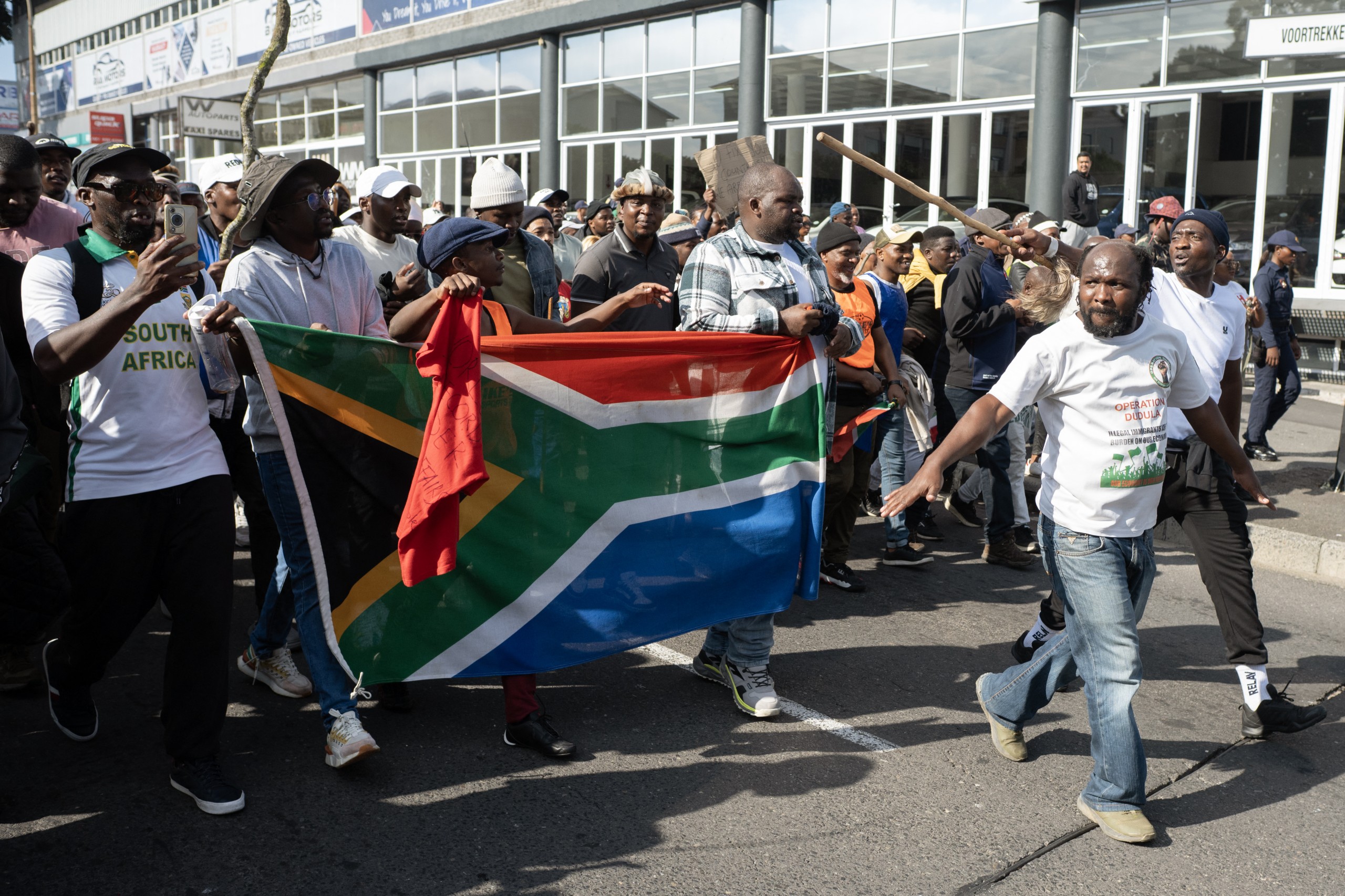
The announcement comes amid ongoing tensions related to anti-foreigner sentiment and the government’s repatriation programme. Since 1 March, police have registered 103 cases of anti-foreigner incidents, resulting in 195 arrests across the country.
The Free State has recorded the highest number of arrests with 153 suspects detained across 29 cases. KwaZulu-Natal reported 39 cases with 11 arrests, whilst the Western Cape saw 15 cases and 14 arrests. Gauteng registered four cases with five suspects arrested.
Over the weekend, four people were arrested in Rosettenville, Johannesburg, after a group of March-on-March protesters allegedly entered a home where a Congolese family resides and harassed them. The suspects face charges of public violence and house robbery.
Simphiwe James Bonile, leader of the Abahambe protests, remains in custody following his arrest in May in the Western Cape. His case has been remanded to 2 July.
Police have intensified operations targeting undocumented foreign nationals, with more than 2 800 arrests in the past week alone. Since January 2026, more than 50 000 people have been arrested for being in the country illegally.
Four fatalities related to anti-foreigner sentiment have been recorded to date – two in KwaZulu-Natal and two in the Western Cape.
ALSO READ: Thousands of Malawians flee Durban after anti-migrant violence escalates
The repatriation process continues under strict security measures, with more than 25 000 foreign nationals repatriated to date. All buses transporting repatriated individuals travel under law enforcement escort from departure to designated ports of entry, with verification checkpoints established along routes.
“These measures are intended to safeguard the integrity of the repatriation process, maintain public order and ensure that all repatriations are conducted in a secure, lawful and dignified manner,” Mosikili said.
The police chief warned that dangerous weapons including firearms, knives and traditional weapons will not be permitted in terms of Section 17 of the Constitution.
ALSO READ: Spread of anti-immigrant vigilantism greatly concerning
“To those who intend to break the law tomorrow, our message is simple: do not test the resolve of the state,” Mosikili said. “To those who intend to demonstrate peacefully, we assure you that your constitutional rights will be protected.”
Law enforcement has strengthened cooperation with municipalities, disaster management centres, emergency medical services and the private security industry to ensure a coordinated response.
Authorities urged the public to remain calm, continue with lawful daily activities, and avoid spreading misinformation on social media platforms. Where criminal conduct is identified on digital platforms, investigations are already underway.
“The Republic of South Africa is governed by the rule of law – not by threats, fear or intimidation,” Mosikili said. “Tomorrow, the Constitution will be protected. Public safety will be protected. Lives will be protected.”
ALSO READ: Government mobilises security forces ahead of planned anti-migrant actions