

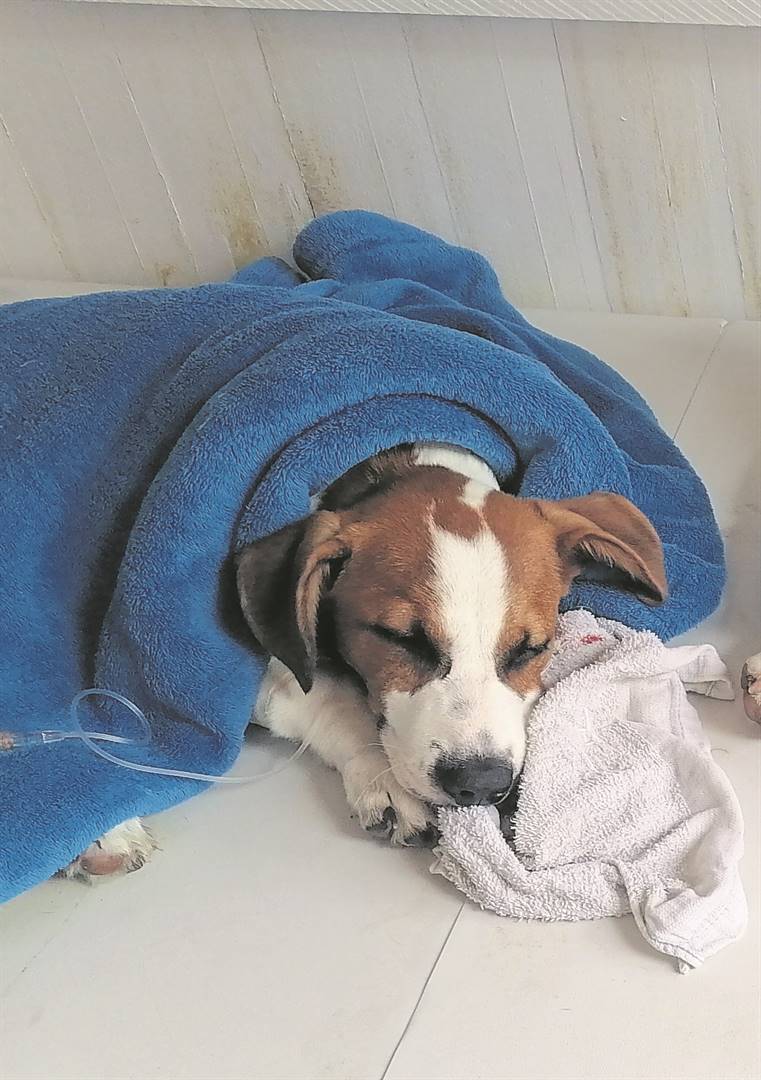
In light of increasing concerns about a Parvo outbreak, General Practice Assistant at Mount Pleasant Vet Clinic, Andrea Van Greunen said that it’s crucial for dog owners to understand how this highly contagious virus spreads and how to protect their pets.
“Parvo is transmitted through direct or indirect contact with contaminated surfaces or objects. Alarmingly, even garden services can inadvertently aid in spreading the virus.
“By walking on infected surfaces, such as areas where a contaminated dog has been, individuals can carry the virus on their shoes to new locations, potentially exposing other dogs,” she explained.
This means that even routine activities, like walking to a nearby shop or visiting another garden, can inadvertently introduce the virus to your home.
Furthermore, Van Greunen said an unvaccinated dog sniffing contaminated faeces is particularly at risk of contracting this highly infectious virus.
“The effectiveness of the Parvo vaccine is notable, as it provides 100% protection when administered on schedule. Puppies require a series of three initial inoculations at six, ten, and fourteen weeks of age, followed by annual boosters to maintain immunity,” she added.

The importance of this vaccination schedule cannot be overstated, as any deviation may render pets vulnerable to the disease.
Pets can fall ill if they miss these crucial early vaccinations, underlining the importance of ensuring complete vaccination.
Early detection of Parvo symptoms is key to preventing severe health deterioration in affected animals. Pet owners should remain vigilant for signs such as lethargy, vomiting, diarrhoea, loss of appetite, bloody stools, and dehydration, according to Van Greunen.
In the unfortunate event that a dog shows symptoms of Parvo, immediate veterinary care is imperative, as there are no home remedies available to treat this virus effectively.
Veterinarians are equipped to provide the necessary supportive treatment that can make a significant difference in the recovery of infected animals.
Protecting pets from Parvo remains a priority for all dog owners, regardless of whether their animals frequently venture outside. Since humans can inadvertently carry the virus into their homes on shoes and clothing, vaccination serves as the best line of defence against this potentially deadly virus.
Regular and up-to-date vaccinations are crucial to safeguard against exposure.
“Veterinarians are urging dog owners to ensure their pets are fully vaccinated and to be vigilant about maintaining their pets’ vaccination schedules. Anyone who suspects their pet has been exposed to Parvo should seek veterinary care without delay to provide necessary supportive treatment. The emotional toll of the illness on both pet owners and veterinary staff cannot be understated; it is distressing not only for those watching their beloved pets suffer but also for the veterinary professionals striving to save them,” Van Greunen concluded.