
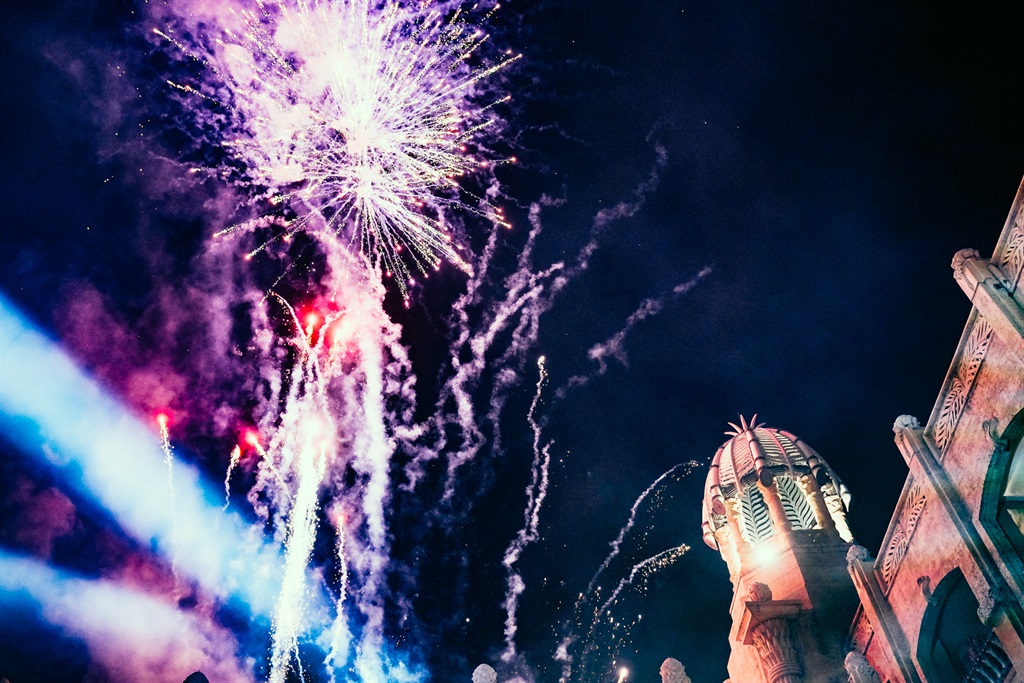
The sheer audacity of
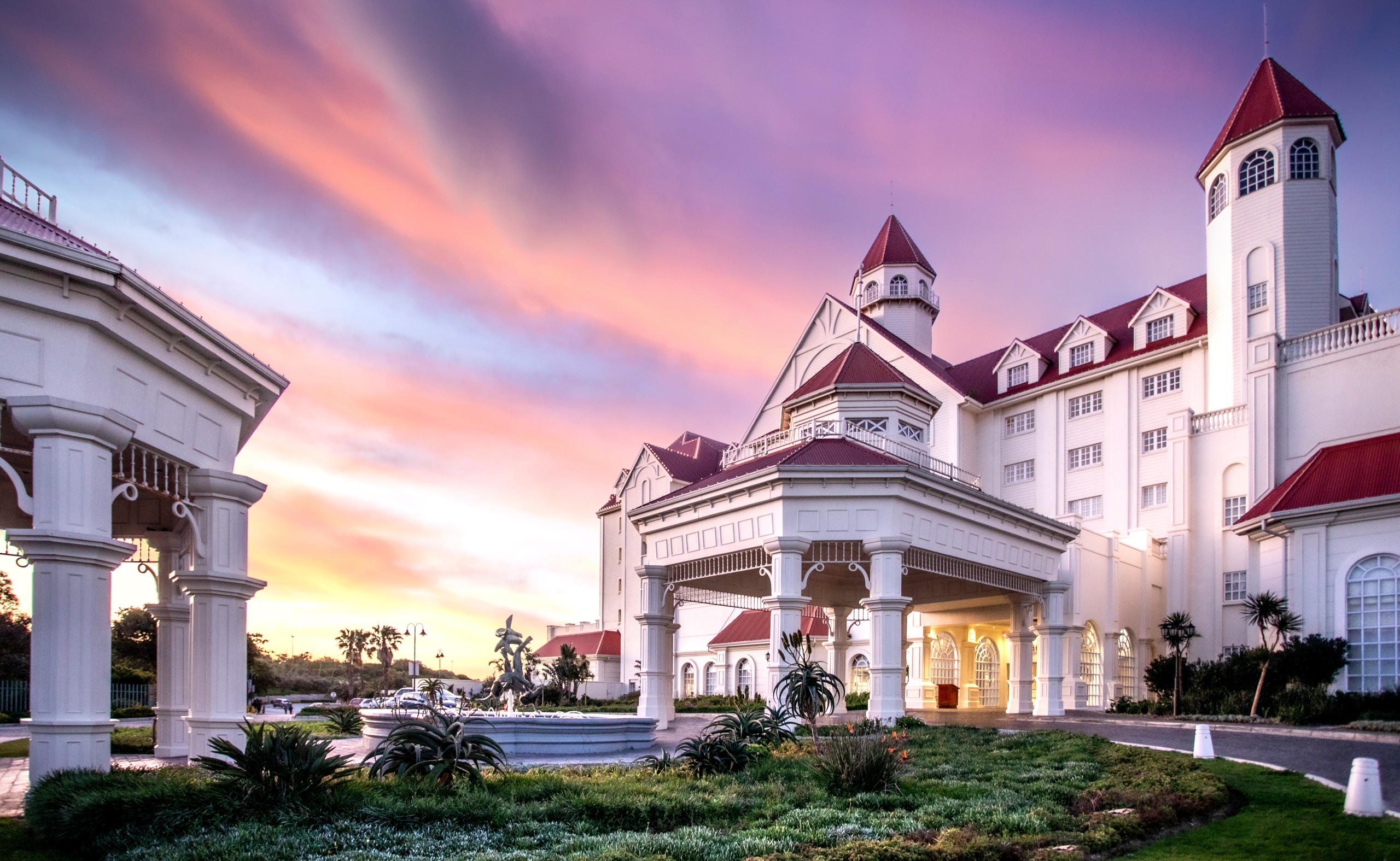
developing a 5-star hotel in a dusty stretch of bush in the North West Province
caught the public imagination in 1992, and 30 years on The Palace of the Lost
City remains the stuff of legends.
The hotel came complete with
the fable of an African kingdom lost in the mists of time.
No detail was spared to
stress that it was, indeed, a place of myth and wonder. From the moment The
Palace flung its impressive 8m tall doors open to reveal its bold, glamorous
interiors visitors have been awed by the hotel’s splendour.
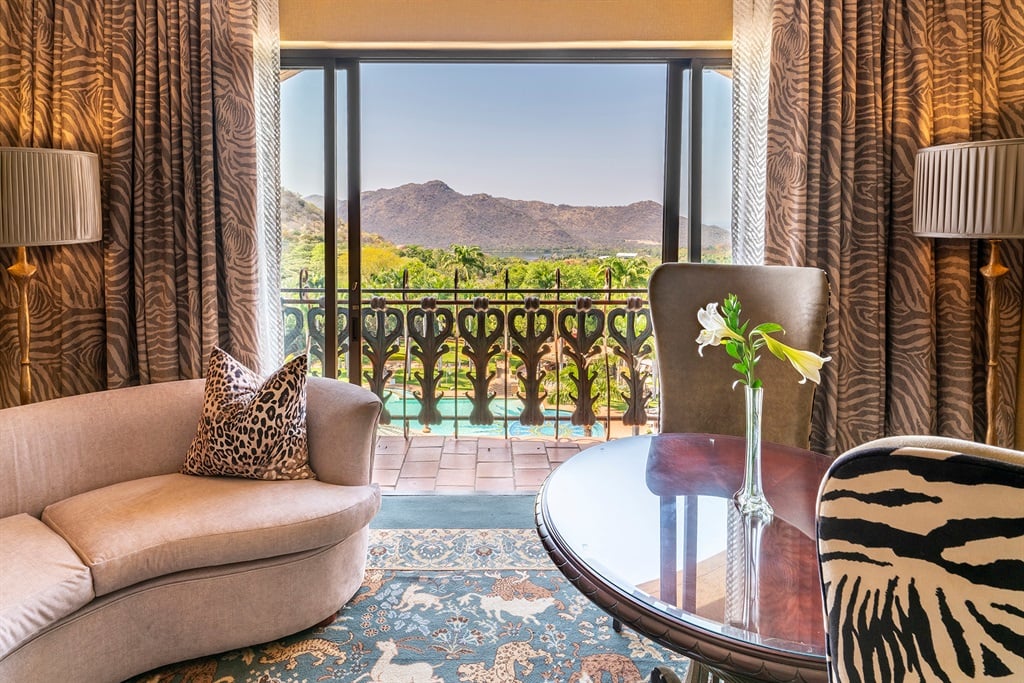
Each of the 326 luxurious rooms and suites offer
spectacular views over water and jungle. For a bird’s eye view of the entire
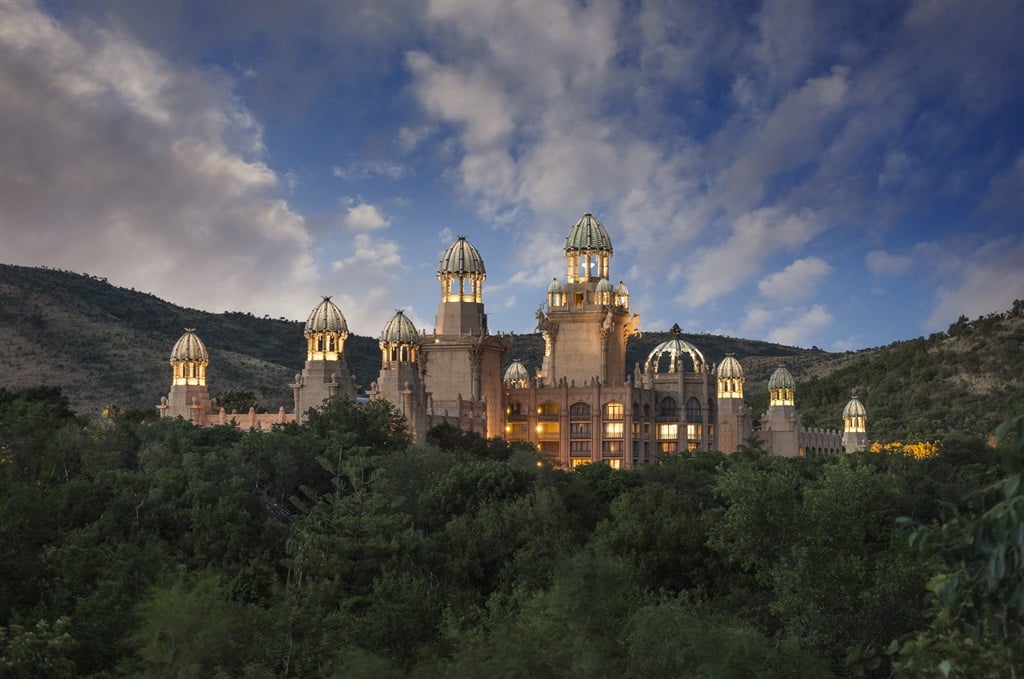
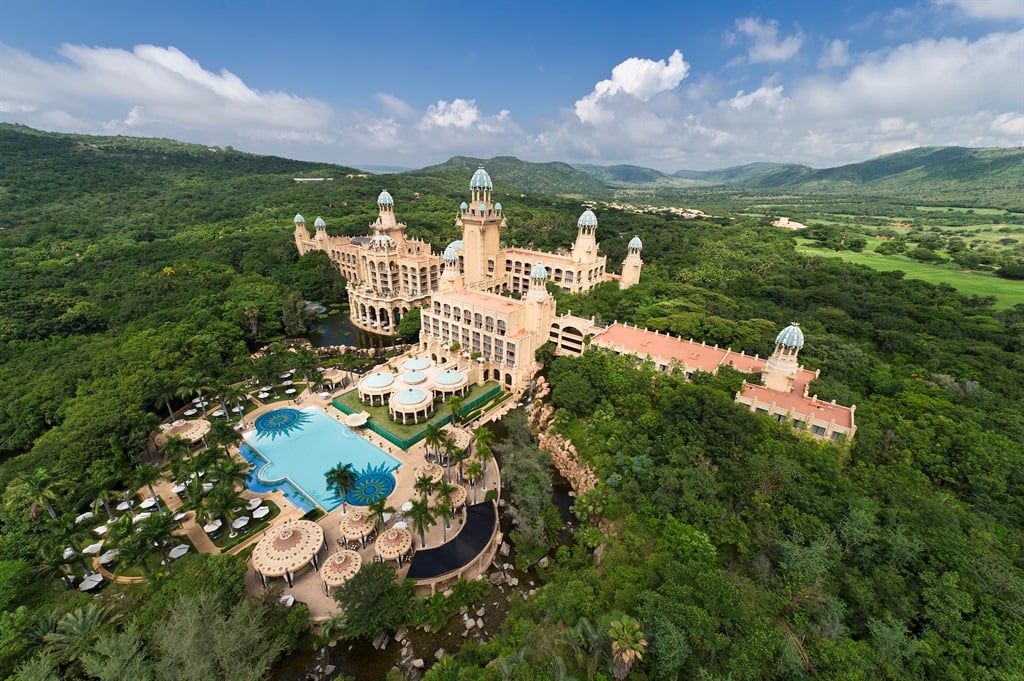
area guests can visit the Kings Tower which, at almost 70m, is the tallest of
the 10 towers at The Palace.
The hotel’s architecture and décor weaves a rich and colourful tale of
Africa’s creativity, its textures, intricate designs, patterns, wildlife, and
the talent of its craftsmen and women.
From the hand-painted dome ceiling in the grand entrance to mosaic
artworks, golden seats upholstered with zebra-hide, and bespoke furniture in
the spacious rooms, the hotel befits its royal legend. The King’s Suite
alone contains 800 custom-crafted items including fabrics and carpeting.
The evocative African landscape painted on the underside of a dome
ceiling at the entrance took nine artists nearly 5 000 hours to complete while
hand-painted murals cover an area of 3 400 square metres. The tapestries in the
Royal Entrance Chamber behind the concierge and the reception desk took two
full years to weave.
In the Crystal Court a massive rock crystal chandelier that is suspended
4.2 meters above the ground and spanning spans five meters in diameter,
overlooks a Bösendorfer piano once played by Liberace and Elton John.
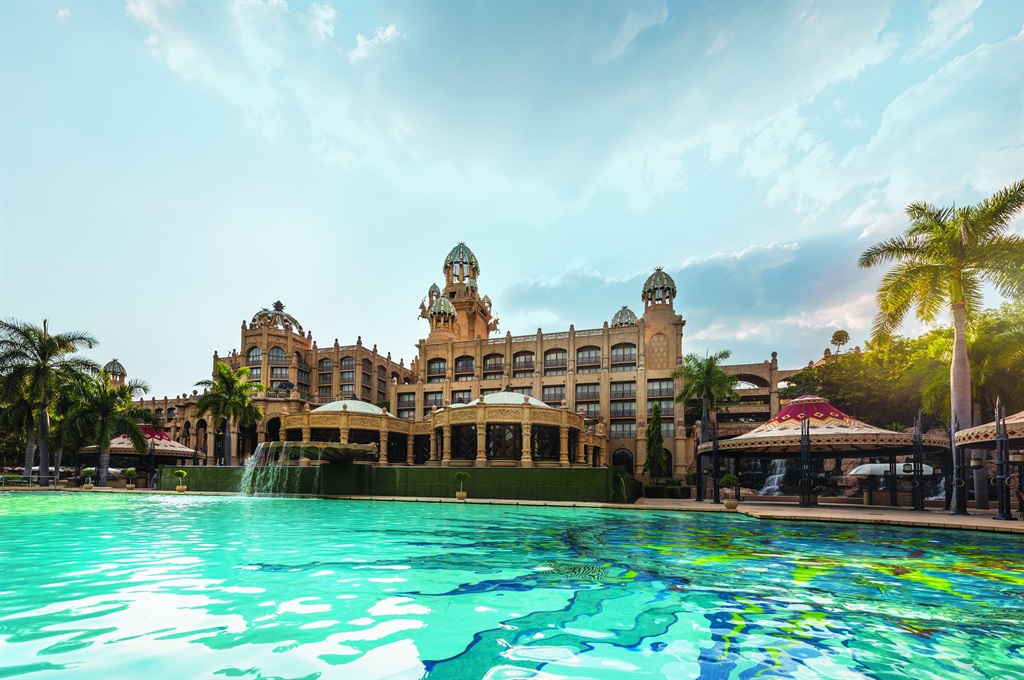
In addition to an Olympic-sized swimming pool with an intricate mosaic
‘sun’ design, a trip down a lush tree-lined stairway leads visitors to the
Royal Baths and Amphitheatre overlooking Sun City’s popular Valley of Waves.
Over the past 30 years The Palace has accommodated the rich and the famous,
royalty, rock stars and ordinary South Africans. Well over 300 famous
performers and heads of state have stayed at the hotel from members of the
legendary band Queen, to Michael Jackson and Witney Houston to name but a few.
According to General Manager Brett Hoppé “The opening of The Palace
was a glittering affair that was attended by many celebrities who were big
names at the time including Bo Derrick, Jean Michel Jarre who performed that
night, Jerry Hall and Joan Collins, Hugh Masekela and Johnny Clegg and Savuka.
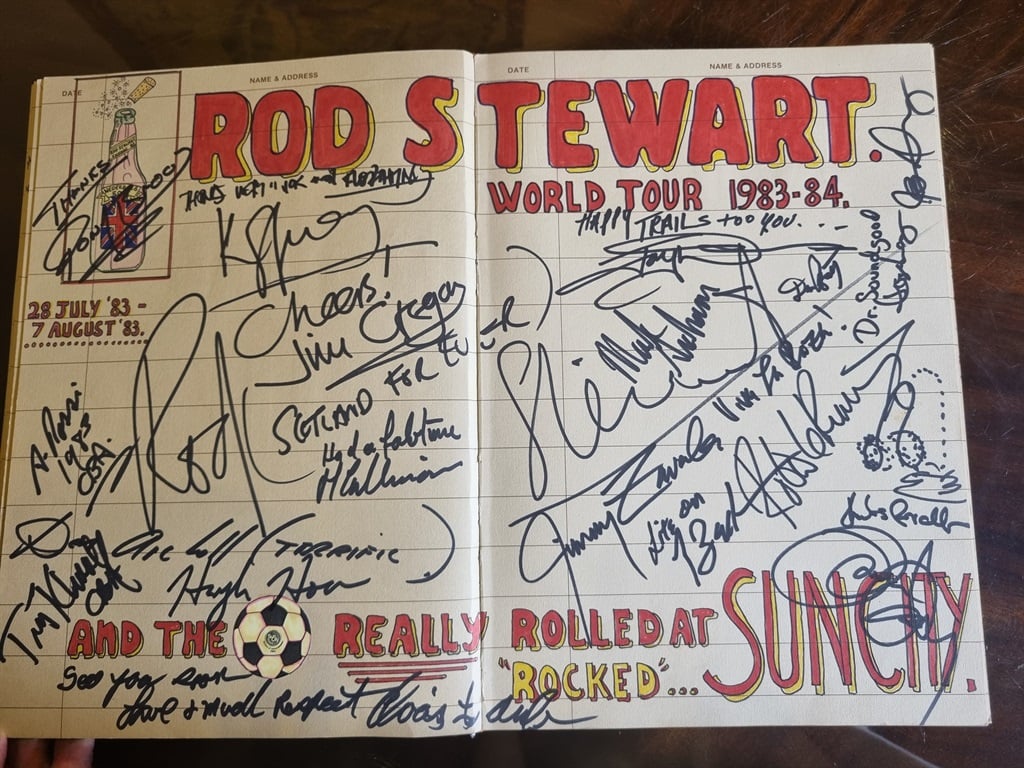
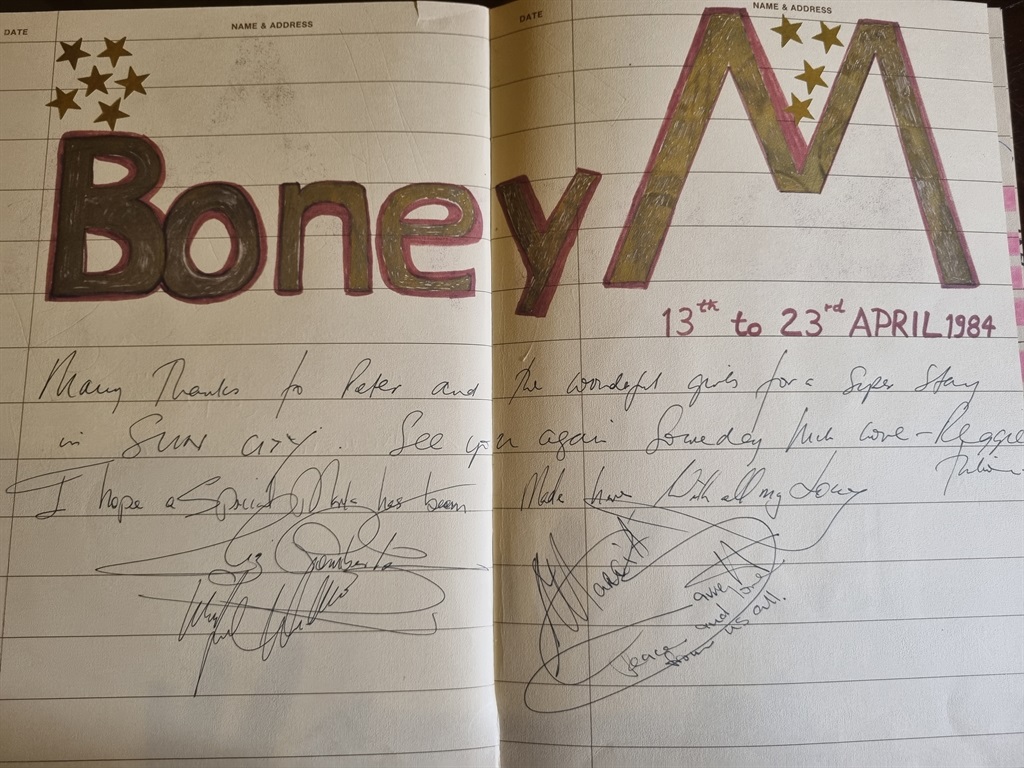
“Since then the list has grown to include many illustrious names such
as Sting, Pavarotti, Wesley Snipes, Stevie Wonder, Arnold Schwarzenegger and many more. But it is
equally important to note that many of these international stars returned
multiple times and some, like Witney Houston, Michael Jackson and Bobby Brown,
came incognito to simply holiday at The Palace.
“And of course the list of golf legends who have visited is too
innumerable to mention.”
Hoppé said that although it would be difficult to improve on the
original structure, rooms have undergone a refurbishment to bring them up to
date, and the hotel can finally boast of having a luxurious spa and salon.
- The 62-acre hotel is surrounded by 25 hectares of exotic jungle and waterscapes that all lead down to the Valley of Waves (opened in 1996). This wonderland is set within the greater Sun City resort, overlooked by craggy mountains and surrounded by the neighbouring 55,000-hectare Pilanesberg National Park.
- The Lost City, which opened in December 1992, was built at a cost of R830-million and was completed in a record 28 months. Workers moved 1 750 000 cubic meters of earth and blasted 85 000 cubic meters of rock. Construction required 30-million bricks, poured 85 000 cubic meters of concrete and installed 150 000 meters of piping.
- During the peak of building activity, nearly 10 000 people worked on the project, laying 8 million bricks. During the first year of construction, an average of one million bricks was laid every month by almost 200 bricklayers.
- The construction process required almost 15 000 custom-made pieces of pre-cast for the fascades, 12 km of air-conditioning, 500 km of electric wiring and 3 300 tons of steel reinforcing rods measuring 2 900 kg and 75 000 meters of electrical conduit for the 6 500 light fittings.
- 50 000 square meters of carpets covered the interior of the hotel and 5 650 square meters of marble was used throughout.
- The Palm Tree in the royal entrance chamber was once real and has been preserved.
- The six columns in the royal entrance chamber are designed as a bamboo tree resting on elephant feet, held by a protea to represent South Africa’s national flower.
- The royal entrance chamber dome ceiling is 25m in height and 16m in diameter. The evocative African landscape painted on the underside of the dome took nearly 5 000 hours to complete. It took nine artists to complete the work, painting on their backs in the same way as Michelangelo painted the Sistine Chapel in Rome.
- The total area of murals at The Palace covers 3 400 square metres, while the total painted area is a staggering 425 000 square metres.
- The massive chandelier in the Crystal Court is made up of 10 000 pieces of rock crystal from the Czech Republic. The roof of the Crystal Court presented another challenge for developers as its 29-metre roof span has to support five floors of suites above it.
- All of the timber doors to the bedrooms were hand-carved, including the massive 8m-high doors at the royal entrance.
- Nearly every item in The Palace was custom-made and 85% of all materials were sourced within southern Africa. This was the first time that hand-carved furniture was used throughout the public areas and guestrooms of a hotel.
- Among the decor items are six elephant tusks, arched in pairs over the Tusk Lounge and Bar. They are 5.6m high and weigh two tons each. They were carved in Indonesia out of local Squara wood (which is heavier than ivory). Because of their weight, they were made in four sections and assembled on site.
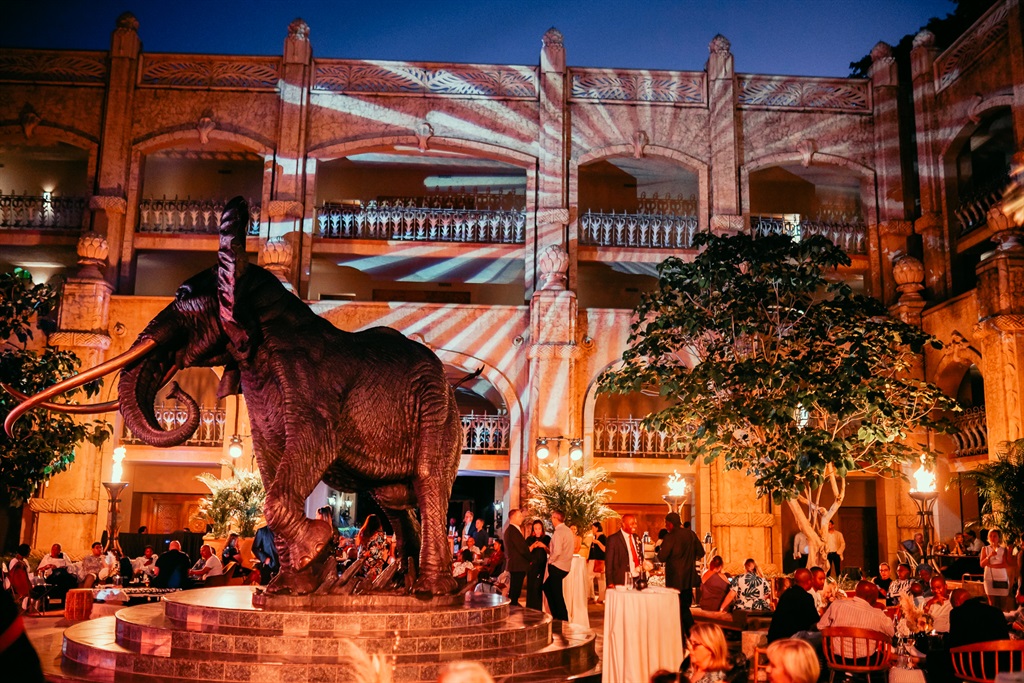
- The atrium is dominated by a life-size bronze sculpture of Shawu, a large bull elephant who lived at the Kruger National Park. At a shoulder height of 3.4 meters, Shawu’s left tusk was the longest on record in the region, and one of the sixth longest ever recorded in Africa. The famous elephant was brought to life by South African sculptor Danie de Jager, whose sculpture of Shawu realistically portrays the leathery texture of his skin, his ragged ears and cracked feet. Shawu towers 4.5m above the ground and is one of the most photographed animal sculptures in the world.
- Each of the fabrics and carpets were designed and created exclusively for The Palace. The tapestries in the Royal Entrance Chamber, behind the concierge and the reception desk, took two years to weave.